Snapping Hip Syndrome Pune
Get expert snapping hip syndrome treatment in Pune with orthopedic surgeons providing precise diagnosis, tendon release, and movement restoration.
Overview
Snapping Hip Syndrome, also called Coxa Saltans or Dancer’s Hip, is a condition where you hear or feel a popping sound or snapping sensation when you move your hip joint. This distinctive sound happens when muscles or tendons slide over bone structures around your hip.
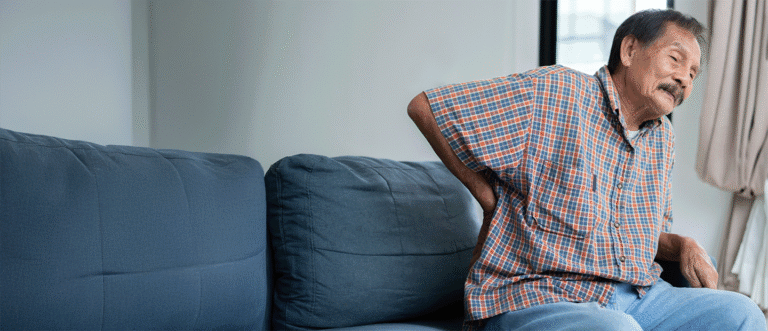
While this condition might sound alarming, it’s often harmless and painless for many people. However, some individuals may experience hip pain and discomfort that can affect their daily activities and quality of life.
This condition is especially common among people who do repetitive hip movements, such as dancers, runners, and athletes. The snapping can occur in one or both hips and may be visible, audible, or simply felt during movement.
Symptoms
The main symptom of Snapping Hip Syndrome is the characteristic popping sound or snapping sensation that occurs when you move your hip joint. This can happen during everyday activities like:
- Walking or climbing stairs
- Getting up from a chair
- Swinging your leg to the side
- Bending or straightening your hip
While many people experience no pain with the snapping, others may develop additional symptoms including:
- Hip pain that improves with rest
- Feeling of weakness in the affected leg
- Tightness around the hip area
- Swelling in the front, back, or side of the hip
- Difficulty with daily tasks like walking or squatting
- A clicking or locking sensation in severe cases
The visibility and sound of the snapping can vary depending on the type. External snapping hip may be visible from across the room, while internal snapping hip is usually just heard or felt.
Causes
Snapping Hip Syndrome happens when muscles or tendons around your hip joint become tight and rub against bone structures. This friction creates the characteristic snapping sound and sensation.
The main causes include:
Tight Iliotibial Band (IT Band): This thick band of tissue runs along the outside of your thigh. When it becomes tight, it can snap over the greater trochanter (the bony bump on your thigh bone), causing an external snapping hip.
Tight Iliopsoas Tendon: This major hip flexor muscle can snap over various bone structures, including parts of the pelvis and thigh bone, leading to internal snapping hip.
Muscle Imbalances: When there’s an imbalance in strength or flexibility between different hip muscles, it can disrupt normal movement patterns and increase the likelihood of snapping.
Repetitive Activities: Sports and activities that require frequent hip bending and straightening, such as dancing, running, soccer, and weightlifting, can lead to chronic strain on hip muscles and tendons.
Anatomical Variations: Some people may have structural differences that make them more prone to developing this condition.
Loose Ligaments: Connective tissues that have become loose due to repetitive use or injury can also contribute to the problem.
Risk Factors
Several factors can increase your chances of developing Snapping Hip Syndrome:
- Active lifestyle: Athletes, dancers, gymnasts, runners, and soccer players are at higher risk
- Age: Most common in people aged 12-27 years
- Gender: Females are affected more often than males
- Growth spurts: Rapid growth during adolescence can contribute to the condition
- Leg length differences: Having one leg longer than the other can create muscle imbalances
- Previous injuries: Trauma to the hip joint or surrounding muscles
Diagnosis
Getting an accurate diagnosis is important to determine the specific cause and rule out other hip problems. The diagnostic process typically includes:
Medical History: Your doctor will ask about your symptoms, when they occur, and what activities make them worse.
Physical Examination: The doctor will check your hip joint’s range of motion, feel around the hip area, and try to recreate the snapping through specific movements. Different tests help identify whether you have an external or internal snapping hip.
Imaging Tests may include:
- X-rays: To rule out bone problems or structural abnormalities
- Ultrasound: Provides real-time images of tendons moving over bones and can identify inflammation
- MRI: Helps identify problems inside the joint, such as labral tears or cartilage damage
Injection Tests: Sometimes, a numbing injection into the suspected area can help confirm the diagnosis and pinpoint the exact location of the problem.
Types
Snapping Hip Syndrome is classified into three main types based on where the snapping occurs:
- External Snapping Hip (Lateral) This is the most common type. It happens when the iliotibial band or part of the gluteus maximus muscle slides over the greater trochanter. You’ll typically feel this snapping on the outer side of your hip, especially when moving your leg away from your body.
- Internal Snapping Hip (Medial) Also called Dancer’s Hip, this occurs when the iliopsoas tendon snaps over bone structures at the front of the hip. You’ll usually feel this snapping at the front of your hip when lifting your leg or bringing your knee toward your chest.
- Intra-articular Snapping Hip This type comes from problems inside the hip joint itself, such as:
- Loose bodies: Pieces of cartilage or bone floating in the joint
- Labral tears: Damage to the cartilage ring around the hip socket
- Cartilage damage or joint instability
This type often feels like catching or locking and may cause deep hip pain.
Treatment
Treatment for Snapping Hip Syndrome depends on how severe your symptoms are and what’s causing the problem. If the snapping doesn’t hurt and doesn’t interfere with your daily life, you may not need specific treatment.
Conservative Treatment
Most cases respond well to conservative treatment, which includes:
Rest and Activity Changes: Reducing or modifying activities that cause the snapping sensation gives irritated tissues time to heal.
Medications: Over-the-counter anti-inflammatory drugs like ibuprofen can help manage pain and reduce swelling.
Ice and Heat: Ice can reduce acute inflammation, while heat helps relax tight muscles and improve blood flow.
Physical Therapy: This is often the most important part of treatment. A physical therapy program typically includes:
- Stretching exercises for tight muscles like the iliotibial band and hip flexors
- Strengthening exercises to build stability around the hip joint
- Manual therapy techniques like massage
- Education about proper movement patterns
Injections: If hip pain persists despite other treatments, your doctor might recommend a corticosteroid injection into the affected area for short-term relief.
Surgical Treatment
Surgery is usually only considered when conservative measures haven’t provided relief after several months, or when there are problems inside the joint.
Surgical options include:
- Tendon release or lengthening to reduce tension in tight structures
- Arthroscopic surgery to remove loose bodies or repair labral tears
- Minimally invasive techniques that often have better outcomes than open surgery
Rehabilitation
Rehabilitation is crucial for recovery, whether you’re treated conservatively or surgically. A comprehensive program focuses on restoring strength, flexibility, and normal function to your hip joint.
Key components include:
- Stretching exercises for tight hip muscles and the iliotibial band
- Strengthening exercises for hip and core muscles
- Gradual return to activities
- Education about proper movement techniques
- Manual therapy to reduce muscle tension
Recovery time varies, but many people see improvement within 6-12 months with consistent physical therapy. After surgery, full strength recovery may take 9-12 months.
Complications
While Snapping Hip Syndrome is often harmless, untreated cases can lead to:
- Chronic hip pain
- Hip bursitis from ongoing irritation
- Muscle weakness, especially after surgery
- Rarely, nerve damage during surgical procedures
- Continued snapping despite treatment
- Hip instability in some cases
Prevention
You can reduce your risk of developing Snapping Hip Syndrome by:
- Always warming up properly before physical activity
- Gradually increasing exercise intensity and duration
- Maintaining good overall fitness and flexibility
- Wearing proper, supportive footwear
- Varying your activities to avoid repetitive stress
- Using correct technique during sports and exercise
- Allowing adequate rest between intense training sessions
Living With Snapping Hip Syndrome
Managing Snapping Hip Syndrome long-term involves ongoing self-care and lifestyle adjustments. For many people, the condition is manageable with proper attention to hip joint health.
Key strategies include:
Consistent Exercise: Regular stretching exercises and strengthening exercises help maintain hip flexibility and muscle balance.
Activity Awareness: Being mindful of movements that trigger symptoms and modifying them as needed.
Listen to Your Body: Recognizing early signs of discomfort and taking appropriate action before symptoms worsen.
Stay Active: Maintaining overall fitness contributes to hip health and resilience.
Regular Check-ups: Continuing to work with healthcare providers for ongoing guidance and monitoring.
Key Takeaways
- Snapping Hip Syndrome is characterized by a popping sound or snapping sensation in the hip joint
- It can be external (involving the iliotibial band), internal (involving the iliopsoas tendon), or intra-articular (inside the joint)
- Most cases respond well to conservative treatment including physical therapy
- Stretching exercises and strengthening exercises are essential for recovery
- Surgery is rarely needed and only considered when conservative methods fail
At Sancheti Hospital, we understand that Snapping Hip Syndrome can significantly impact your daily activities and quality of life. Our orthopedic specialists and physical therapy team work together to provide comprehensive care for patients with this condition.
We offer advanced diagnostic imaging including ultrasound and MRI to accurately identify the cause of your symptoms. Our treatment approach emphasizes conservative treatment methods, with our experienced physiotherapists designing personalized programs that include targeted stretching exercises and strengthening exercises.
When surgical intervention is necessary, our skilled surgeons use minimally invasive techniques including arthroscopic surgery to ensure optimal outcomes. We are committed to helping you return to your active lifestyle through evidence-based treatment and ongoing support throughout your recovery journey.
Patient Stories & Experiences
The pain in my left knee left me feeling helpless for years. After my treatment here, I can finally say I'm pain-free.
Vinita Singh

The nerves were swollen, and the body went numb. But thanks to Sancheti Hospital, I got a second life!
Parvati

I finally could walk again, a relief I've only felt after the hip pain surgery. I thank the doctors at Sancheti Hospital for their help.
Balaji Kharat
I'm a police officer, and I'm extremely thankful to Sancheti Hospital for treating my fracture without surgery.
Shantilal

My life has completely changed after the knee replacement surgery at Sancheti Hospital. It's like I can finally live again!
Kalpana Lepcha
The knee pain I've carried for years finally went away with the help of Sancheti Hospital.
Karuna
I can't believe that I get to finally live a normal and happy life, all thanks to the knee surgery I had at Sancheti Hospital.
Kishore Bhosle
Frequently Asked Questions
Will the snapping get worse if I ignore it?
If the snapping is painless, it may stay the same for years without getting worse. However, if you continue activities that cause painful snapping without treatment, it can lead to chronic inflammation and persistent hip pain.
How long does it take to recover with physical therapy?
Most people see improvement within 6-8 weeks of consistent physical therapy, but complete recovery typically takes 3-6 months. The timeline depends on how severe your condition is and how well you follow your exercise program.
Can I continue exercising or playing sports with a snapping hip?
If the snapping is painless, you can usually continue most activities. However, if it causes hip pain, you should modify or temporarily stop activities that make it worse until you’ve completed treatment.
Is snapping hip more common on one side than the other?
Yes, Snapping Hip Syndrome often affects the dominant leg more frequently, especially in athletes. This is because people tend to favor their stronger side during activities, leading to muscle imbalances and tightness.
When should I see a doctor instead of trying home remedies?
See a doctor if the snapping causes persistent hip pain, limits your daily activities, is accompanied by swelling, or if you experience locking or catching sensations in your hip joint. These could indicate more serious underlying issues.
Home
Patient Login
International patients
Contact Us
Emergency
Download Reports