Buttock Pain

Buttock Pain Treatment Pune

Get expert buttock pain treatment in Pune with orthopedic specialists diagnosing underlying hip or spine issues and providing targeted recovery care.

Overview

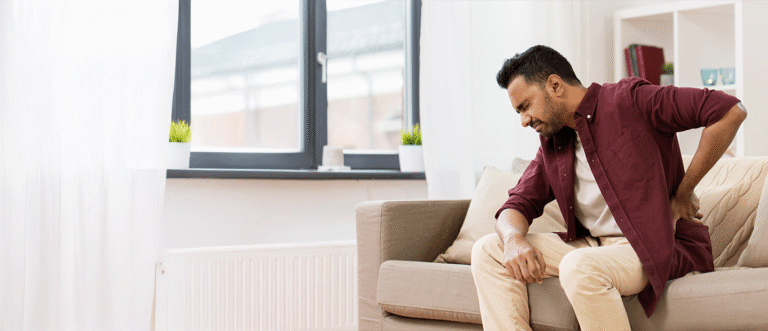
Buttock pain is a common problem that can make simple daily activities like sitting, walking, or standing very uncomfortable. While it might seem like a minor issue at first, ongoing buttock pain can seriously affect your quality of life and ability to move around normally.

The buttocks are made up of several important parts working together – muscles, nerves, bones, and connective tissues. These all help support your body’s movement and keep you stable. When any of these parts get irritated, swollen, or injured, you can develop pain.

The pain can feel different for different people. Some experience sharp, stabbing sensations, while others feel a dull ache. The pain might stay in one spot or spread to other areas like your leg. You might also notice numbness, tingling, or weakness. The intensity can range from mild discomfort to severe pain that makes it hard to function normally.

Symptoms

The symptoms of buttock pain can vary widely depending on what’s causing the problem. Here are the most common signs to watch for:

  • Aching or burning pain in your buttocks or tailbone area
  • Stiffness and dull ache that might worsen in the morning
  • Pain that gets worse when sitting, standing, or walking for long periods
  • Numbness or tingling that travels down your leg
  • Pain that radiates from your buttock down to your thigh or lower leg
  • Weakness in your hip or leg muscles
  • Swelling and tenderness in the affected area
  • Difficulty getting up from a sitting position
  • Trouble sitting comfortably for extended periods

Causes

Buttock pain can develop from many different conditions. Since the buttocks contain important muscles, nerves, and joints that are essential for movement and posture, even small problems can cause significant discomfort. Here are the most common causes:

Muscle-Related Causes

Muscle Strain (Gluteal Strain): The gluteal muscles include the gluteus maximus, gluteus medius, and gluteus minimus. These muscles are crucial for hip movement, balance, and maintaining good posture. A muscle strain happens when these muscles are stretched too far or torn due to sudden movements, heavy lifting, or overuse during exercise.

Myofascial Pain Syndrome: This chronic pain condition involves painful muscle knots called trigger points within muscles or the tissue surrounding them. When these trigger points develop in the gluteal region, they can cause buttock pain that may spread to the hips or lower back.

Nerve-Related Causes

Sciatica: This condition involves compression or irritation of the sciatic nerve, which is the largest nerve in your body. It runs from your lower back through your buttocks and down the back of your leg. Sciatica can cause shooting pain, tingling, numbness, and weakness in the buttock and leg.

Piriformis Syndrome: The piriformis muscle is a small, pear-shaped muscle located deep in your buttocks. When this muscle becomes too tight or goes into spasm, it can compress the sciatic nerve that runs nearby. This causes buttock pain that often travels down the leg and typically gets worse when sitting for long periods.

Deep Gluteal Syndrome: Similar to sciatica, this occurs when the sciatic nerve gets compressed by various structures in the gluteal region, including muscles, blood vessels, or connective tissues.

Disc and Spine Issues

Herniated Discs: The vertebrae in your spine are cushioned by disc-like structures filled with gel-like material. When the outer layer of a disc tears, the inner material can leak out and press on nearby nerves. A herniated disc in the lower back can cause pain that travels from the back through the buttock and into the leg.

Spinal Stenosis: This condition involves narrowing of the spaces within your spine, which puts pressure on the nerves. When it affects the lower back, it can cause pain, weakness, and numbness in the lower back, buttocks, and legs.

Joint and Bone Problems

Sacroiliac (SI) Joint Dysfunction: The sacroiliac joints connect the base of your spine to your pelvis. When these joints become stressed, misaligned, or inflamed, they can cause deep pain in the upper part of your buttocks.

Osteoarthritis (Hip Arthritis): This condition causes pain, stiffness, and inflammation due to cartilage breakdown in the hip joint. Osteoarthritis of the hip can cause a dull, aching pain in the groin, side of the hip, or back of the buttocks.

Coccydynia (Tailbone Pain): This refers to pain in the coccyx or tailbone, often resulting from a fall directly onto the tailbone or childbirth.

Inflammation and Infection

Bursitis: Small, fluid-filled sacs called bursae help reduce friction between tendons and bones. When these become inflamed, it causes bursitis. Two common types affect the hip and buttock area:

  • Trochanteric bursitis occurs on the side of the hip
  • Ischial bursitis affects the area between your sit bone and hamstring tendon

Hamstring Tendonitis: This involves inflammation of the hamstring tendons, usually from overuse. It’s common in athletes and causes pain at the sit bones and deep in the bottom of the buttocks.

Risk Factors

Several factors can increase your chances of developing buttock pain:
  • Prolonged sitting: Jobs or lifestyles that require long periods of sitting
  • Overuse or repetitive activities: Especially common in athletes and runners
  • Age: Conditions like osteoarthritis and herniated discs become more common as we get older
  • Poor posture: Maintaining bad posture while sitting or standing
  • Previous injuries: Falls, car accidents, or direct impact to the buttocks
  • Muscle imbalances: Weak gluteal muscles or tight hip flexors
  • Pregnancy and childbirth: Can stress the joints and tailbone
  • Obesity: Extra weight puts additional stress on spinal discs and hip joints

Diagnosis

To find out what’s causing your buttock pain, a healthcare provider will start by asking about your medical history and symptoms. They’ll also perform a physical examination, which may include having you move in different ways to identify where the pain is coming from.

Depending on what they find during the initial exam, your doctor may order additional tests:
  • X-rays: Used to check for signs of arthritis or broken bones
  • MRI (Magnetic Resonance Imaging): Can detect muscle strains, tears, tendonitis, spinal stenosis, and nerve compression
  • CT Scan: May be used to get detailed images of bones and soft tissues
  • Nerve Conduction Test: Measures how well your nerves are working

Treatment

Treatment for buttock pain depends on what’s causing it and how severe your symptoms are. Most people benefit from a combination of different approaches:

Home Remedies and Lifestyle Changes

Simple at-home methods are often the first step in managing buttock pain:

  • Apply ice or heat for pain relief (15-20 minutes at a time)
  • Use a specialized seat cushion to reduce pressure on painful areas
  • Take breaks from activities that make the pain worse
  • Avoid sitting for long periods – get up and move regularly
  • Practice good posture when sitting, standing, or driving
Medications
  • Over-the-counter pain relievers like ibuprofen or naproxen can help reduce pain and inflammation
  • Acetaminophen can also be effective for pain relief
  • Prescription medications or muscle relaxants may be needed for severe pain
  • Steroid injections into the affected area can help reduce inflammation
Physical Therapy

Physical therapy is one of the most effective treatments for buttock pain. A physical therapist can teach you specific stretches and exercises to:

  • Stretch tight muscles like the piriformis and hamstrings
  • Strengthen weak muscles to improve stability
  • Correct muscle imbalances that contribute to pain
  • Improve your overall movement patterns
Surgery

Surgery is rarely needed for buttock pain and is usually only considered when other treatments haven’t worked after several months. It might be recommended for severe spinal problems like herniated discs or spinal stenosis that cause ongoing pain and disability.

Rehabilitation

Rehabilitation for buttock pain focuses on restoring strength, flexibility, and proper movement patterns. A physical therapist will create a personalized plan that may include:

Stretching Exercises

These are essential for lengthening tight muscles and improving flexibility:

  • Figure four stretch for the gluteal muscles
  • Piriformis stretch to target the deep buttock muscle
  • Hamstring stretches to improve leg flexibility
  • Hip flexor stretches to balance muscle tension
Strengthening Exercises

Building strength in key muscles helps stabilize your pelvis and reduce strain:

  • Glute bridges to strengthen the gluteal muscles
  • Hip abduction exercises to target the gluteus medius
  • Clamshells to work the external rotators
  • Prone hip extensions for the gluteus maximus
Manual Therapy

Physical therapists may use hands-on techniques to:

  • Reduce muscle spasms
  • Improve joint mobility
  • Release trigger points in tight muscles
  • Promote healing and reduce pain

Consistency with these exercises is key to improvement. Most people see better results when they perform their prescribed exercises once or twice daily.

Complications

While most causes of buttock pain are not serious and improve with proper treatment, ignoring persistent pain can lead to problems:

  • Progressive weakness or numbness in the leg
  • Loss of bowel or bladder control (medical emergency)
  • Chronic pain that significantly impacts quality of life
  • Reduced mobility and difficulty with daily activities
  • Psychological distress from ongoing pain
  • Spread of infection if caused by an abscess or other infectious condition

Prevention

While you can’t prevent all causes of buttock pain, these healthy habits can significantly reduce your risk:

  • Stay active with regular exercise to maintain muscle strength and flexibility
  • Practice good posture when sitting and standing
  • Stretch regularly, especially your hamstrings, hip flexors, and glutes
  • Take frequent breaks from sitting to stand up and move around
  • Warm up properly before exercising to prepare your muscles
  • Use proper lifting techniques to protect your spine
  • Maintain a healthy weight to reduce stress on joints
  • Wear supportive shoes to reduce strain on your hips and lower back
  • Listen to your body – if an activity causes pain, stop and rest

Living With Snapping Hip Syndrome

Managing chronic buttock pain requires an active approach and patience. Here are some strategies that can help:

Movement is often beneficial, even when it feels uncomfortable at first. Gentle activity helps increase blood flow and can actually reduce pain over time. Work closely with healthcare professionals to develop a management plan that fits your specific needs and lifestyle.

Make ergonomic adjustments to your workspace and car to reduce pressure while sitting. This might include using cushions, adjusting chair height, or taking more frequent breaks. Keep up with your prescribed exercises and stretches, as consistency is key to long-term improvement.

Use ice, heat, or over-the-counter pain relief as needed to manage daily discomfort. Don’t hesitate to communicate openly with your healthcare team about your symptoms and progress – this helps them adjust your treatment plan as needed.

Key Takeaways

  • Buttock pain has many potential causes, from simple muscle strains to complex nerve compression issues
  • Symptoms can vary widely but often include aching, sharp, or radiating pain, along with numbness or weakness
  • Common conditions include sciatica, piriformis syndrome, *herniated discs, and bursitis
  • Diagnosis involves medical history, physical examination, and sometimes imaging tests
  • Treatment usually starts with conservative methods like rest, medications, and physical therapy
  • Prevention focuses on good posture, regular exercise, and avoiding prolonged static positions

At Sancheti Hospital, we understand how debilitating buttock pain can be and its impact on your daily life. Our multidisciplinary team of orthopedic specialists, physical therapists, and pain management experts work together to provide comprehensive care for patients suffering from buttock pain.

We offer advanced diagnostic capabilities including MRI and CT imaging, along with specialized treatments ranging from physical therapy and steroid injections to minimally invasive surgical procedures when necessary. 

Our rehabilitation programs are designed to not only relieve your pain but also prevent future episodes through targeted strengthening and flexibility exercises. 

We believe in a patient-centered approach that combines evidence-based treatment with personalized care to help you return to your normal activities as quickly and safely as possible.

Patient Stories & Experiences

Vinita Singh

The pain in my left knee left me feeling helpless for years. After my treatment here, I can finally say I'm pain-free.

Vinita Singh

Parvati

The nerves were swollen, and the body went numb. But thanks to Sancheti Hospital, I got a second life!

Parvati

Balaji Kharat

I finally could walk again, a relief I've only felt after the hip pain surgery. I thank the doctors at Sancheti Hospital for their help.

Balaji Kharat

Shantilal

I'm a police officer, and I'm extremely thankful to Sancheti Hospital for treating my fracture without surgery.

Shantilal

Kalpana Lepcha

My life has completely changed after the knee replacement surgery at Sancheti Hospital. It's like I can finally live again!

Kalpana Lepcha

Karuna

The knee pain I've carried for years finally went away with the help of Sancheti Hospital.

Karuna

Kishore Bhosle

I can't believe that I get to finally live a normal and happy life, all thanks to the knee surgery I had at Sancheti Hospital.

Kishore Bhosle

Frequently Asked Questions

How long does buttock pain usually take to heal?

Most buttock pain from muscle strains or minor injuries improves within 2-6 weeks with proper rest and treatment. However, conditions like sciatica or herniated discs may take 6-12 weeks or longer to fully resolve.

Yes, sleeping on your side with a pillow between your knees can help reduce pressure on your buttocks and hips. Avoid sleeping on your stomach as it can worsen lower back and buttock pain.

Light activities like walking or gentle stretching are usually safe and beneficial. However, avoid high-impact exercises, running, or activities that worsen your pain. Always consult your doctor before starting any new exercise routine.

Yes, stress and anxiety can increase muscle tension and make pain feel more intense. Chronic pain can also cause stress, creating a cycle. Relaxation techniques, proper sleep, and stress management can help improve your symptoms.

Contact Us

(24/7 Support Line)
10am-> 05 pm
Democracy Blvd.

Follow Us

Chat