Vertebral Compression Fractures

Vertebral Compression Fracture Treatment Pune

Expert care for vertebral compression fractures in Pune. Advanced spine treatment for pain relief and stability.

Overview

A vertebral compression fracture happens when one or more bones in your spine (vertebrae) collapse under pressure. This collapse reduces the height of the affected bone and can cause your spine to curve forward abnormally. The condition most commonly affects the middle and lower sections of your spine, with lumbar vertebral compression fractures being particularly frequent in the lower back region.

These fractures can occur suddenly with intense pain or develop gradually with minimal symptoms. While they’re often associated with aging and bone loss, they can also result from accidents or underlying diseases that weaken bones.

Symptoms

Vertebral compression fracture symptoms can vary significantly depending on the severity and location of the injury. The most common signs include:

  • Sudden, severe back pain that often feels like a sharp, stabbing sensation
  • Pain that becomes worse when standing, walking, or coughing, but improves when lying down
  • Noticeable loss of height over time
  • A stooped or hunched-over posture (kyphosis)
  • Limited ability to bend or twist your spine
  • Muscle spasms in the back
  • Fatigue from altered posture and movement patterns

In some cases, if the fracture affects nearby nerves, you might experience:

  • Numbness or tingling in your arms or legs
  • Weakness in your extremities
  • Problems with bladder or bowel control (rare but serious)

It’s important to note that some fractures may cause no symptoms at all and are only discovered during routine imaging tests.

Causes

Understanding vertebral compression fracture causes helps in both prevention and treatment. The primary causes include:

  • Osteoporosis is the leading cause, accounting for most cases in older adults. This condition weakens bones by reducing their density, making them fragile and prone to fracturing even with minor stress or normal daily activities.
  • Trauma from accidents, falls, or sports injuries can cause fractures in healthy bones. These typically require significant force and may involve multiple vertebrae.
  • Cancer can weaken vertebrae through metastatic spread from other organs like the breast, lung, or prostate. Primary bone cancers can also cause pathological fractures.
  • Other medical conditions such as infections, bone diseases like Paget’s disease, or prolonged use of certain medications (particularly corticosteroids) can compromise bone strength.

Risk Factors

Several factors increase your likelihood of developing vertebral compression fractures:

  • Age over 50, especially for women after menopause due to hormonal changes affecting bone density
  • Previous history of fractures, which indicates weakened bone structure
  • Family history of osteoporosis or fractures
  • Long-term use of medications like corticosteroids
  • Lifestyle factors including smoking, excessive alcohol consumption, and sedentary behavior
  • Poor nutrition, particularly insufficient calcium and vitamin D intake
  • Certain medical conditions like rheumatoid arthritis or hyperthyroidism

Diagnosis

Proper diagnosis involves a comprehensive evaluation combining your medical history, physical examination, and imaging studies.

Your doctor will first assess your symptoms, review your medical history, and perform a physical examination to check for spinal deformities, pain patterns, and neurological function.

Vertebral compression fracture x ray imaging is typically the first diagnostic tool used. X-rays can show the collapsed vertebra and measure the degree of height loss, helping doctors understand the fracture’s severity.

Vertebral compression fracture MRI provides more detailed information and is particularly valuable for:

  • Detecting recent fractures that may not be visible on X-rays
  • Distinguishing between old and new fractures
  • Identifying any compression of the spinal cord or nerves
  • Determining if cancer might be the underlying cause

Additional tests may include CT scans for detailed bone structure evaluation and bone density testing (DEXA scan) to assess overall bone health.

Types

Vertebral compression fractures are classified based on their cause and the pattern of bone collapse:

By cause:

  • Osteoporotic fractures (most common)
  • Traumatic fractures from accidents or falls
  • Pathological fractures caused by cancer or other diseases

By shape:

  • Wedge fractures where the front of the vertebra collapses more than the back
  • Biconcave fractures where the middle portion collapses
  • Crush fractures involving complete collapse of the entire vertebra

Stages

Vertebral compression fractures typically progress through three stages:

  • Acute stage (first few weeks) is characterized by sudden, severe pain and the initial collapse of the vertebra. This is when most people first seek medical attention.
  • Subacute stage (weeks to months) involves gradual pain reduction, but spinal deformity becomes more noticeable as the body adapts to the changed spine structure.
  • Chronic stage (months to years) features persistent structural changes, possible ongoing pain, and potential complications like progressive spinal curvature.

Treatment

Vertebral compression fracture treatment depends on several factors including the severity of the fracture, your overall health, and the underlying cause. Vertebral compression fracture management typically follows a stepped approach:

Conservative treatment is often the first approach and includes:

  • Pain management with medications ranging from over-the-counter options to prescription pain relievers
  • Activity modification to avoid movements that worsen pain
  • Back braces to provide spinal support and reduce movement
  • Physical therapy to maintain mobility and strengthen supporting muscles
  • Treatment of underlying osteoporosis with calcium, vitamin D, and bone-strengthening medications

Minimally invasive procedures may be recommended when conservative treatment isn’t sufficient:

  • Vertebroplasty involves injecting bone cement into the fractured vertebra to stabilize it
  • Kyphoplasty uses a balloon to restore vertebral height before injecting cement

Surgical intervention is reserved for severe cases involving neurological complications or spinal instability.

Rehabilitation

Rehabilitation plays a crucial role in recovery and preventing future fractures. The program typically includes:

  • Physical therapy focuses on gentle exercises to improve flexibility, strength, and posture while avoiding movements that could cause additional fractures.
  • Occupational therapy to help modify daily activities and reduce the risk of falls or further injury.
  • Pain management techniques including heat/cold therapy, relaxation methods, and gradual activity progression.

Complications

Without proper treatment, vertebral compression fractures can lead to serious complications:

  • Chronic back pain that significantly impacts daily activities
  • Progressive spinal deformity leading to a hunched appearance
  • Reduced lung capacity due to changes in chest cavity shape
  • Digestive problems from abdominal compression
  • Increased risk of additional fractures
  • Loss of independence and mobility
  • Depression and anxiety related to chronic pain and physical limitations

Prevention

Prevention strategies focus on maintaining bone health and avoiding trauma:

  • Ensure adequate calcium (1,200mg daily for adults over 50) and vitamin D (800-1,000 IU daily) intake
  • Engage in regular weight-bearing exercises like walking, dancing, or resistance training
  • Avoid smoking and limit alcohol consumption
  • Implement fall prevention measures at home, including good lighting, removing tripping hazards, and using grab bars
  • Get regular bone density screenings if you’re at risk
  • Work with your doctor to manage medications that might affect bone health

Living With Vertebral Compression Fractures

Successfully managing life with vertebral compression fractures involves:

  • Adhering to your treatment plan and attending all follow-up appointments to monitor healing and bone health. 
  • Making necessary lifestyle modifications such as using proper lifting techniques, avoiding high-impact activities, and maintaining good posture.
  • Creating a supportive home environment with ergonomic furniture, grab bars, and adequate lighting to prevent falls. 
  • Staying socially active and seeking support from family, friends, or support groups to maintain emotional well-being.
  • Continuing with prescribed exercises and physical therapy to maintain strength and flexibility while preventing future fractures.

Key Takeaways

  • Vertebral compression fractures are common spinal injuries that primarily affect older adults, especially those with osteoporosis 
  • Early recognition of vertebral compression fracture symptoms and prompt medical attention can prevent complications 
  • Accurate diagnosis through vertebral compression fracture x ray and vertebral compression fracture MRI is essential for proper treatment planning 
  • Vertebral compression fracture treatment ranges from conservative management to minimally invasive procedures, depending on severity 
  • Prevention through bone health maintenance and fall prevention is crucial for avoiding future fractures 
  • With proper vertebral compression fracture management, most people can maintain their quality of life and independence
  • At Sancheti Hospital, our expert orthopedic team specializes in comprehensive spine care, offering advanced diagnostic capabilities and personalized treatment plans for vertebral compression fractures.

Patient Stories & Experiences

Vinita Singh

The pain in my left knee left me feeling helpless for years. After my treatment here, I can finally say I'm pain-free.

Vinita Singh

Parvati

The nerves were swollen, and the body went numb. But thanks to Sancheti Hospital, I got a second life!

Parvati

Balaji Kharat

I finally could walk again, a relief I've only felt after the hip pain surgery. I thank the doctors at Sancheti Hospital for their help.

Balaji Kharat

Shantilal

I'm a police officer, and I'm extremely thankful to Sancheti Hospital for treating my fracture without surgery.

Shantilal

Kalpana Lepcha

My life has completely changed after the knee replacement surgery at Sancheti Hospital. It's like I can finally live again!

Kalpana Lepcha
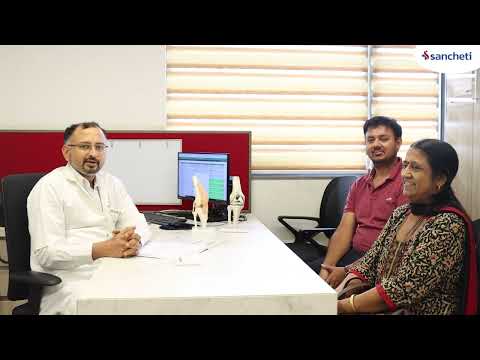
Karuna

The knee pain I've carried for years finally went away with the help of Sancheti Hospital.

Karuna

Kishore Bhosle

I can't believe that I get to finally live a normal and happy life, all thanks to the knee surgery I had at Sancheti Hospital.

Kishore Bhosle

Frequently Asked Questions

How long does it take for a vertebral compression fracture to heal?

Most fractures heal within 6-8 weeks with proper treatment, though complete recovery may take several months depending on severity and your overall health

Yes, through bone-strengthening medications, calcium and vitamin D supplementation, regular exercise, and fall prevention strategies.

Most cases are successfully treated without surgery. Minimally invasive procedures or surgery are only considered when conservative treatment fails or complications arise.

While many people recover well, untreated fractures can lead to chronic pain, spinal deformity, and reduced quality of life.

Yes, but only under medical guidance. Appropriate exercises can actually help with healing and prevention of future fractures.

Contact Us

(24/7 Support Line)
10am-> 05 pm
Democracy Blvd.

Follow Us

Chat