Compound Fractures

Compound Fracture Surgery Pune Experts

Immediate trauma surgery for compound fractures in Pune. Expert care for open wounds and bone stabilization.

Overview

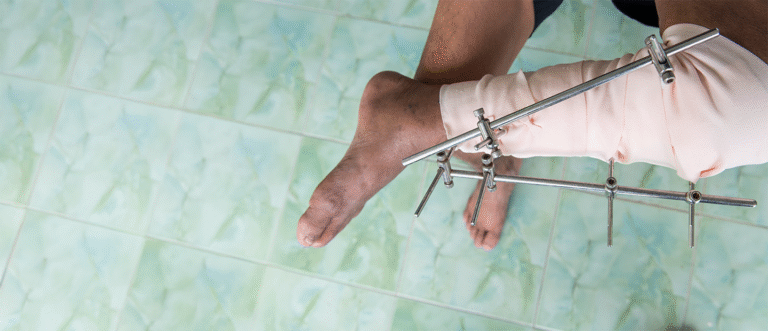
A compound fracture, also called an open fracture, is a serious injury where a broken bone breaks through the skin, creating an open wound. Unlike simple fractures where the skin stays intact, compound fractures expose the bone to the outside environment, dramatically increasing the risk of infection and other complications. 

These injuries most commonly affect the arms, legs, hands, and feet, though any bone can be involved. Compound fracture treatment requires immediate medical attention due to the high risk of infection and the complex nature of the injury.

Symptoms

Compound fracture symptoms are usually obvious and alarming, making these injuries medical emergencies. The most distinctive sign is the visible bone protruding through the skin at the injury site. Other key symptoms include:

  • Severe, intense pain that doesn’t improve with rest
  • Heavy bleeding from the open wound
  • Swelling and bruising around the fracture area
  • Extreme tenderness when touched
  • Complete inability to move or put weight on the affected limb
  • Numbness, tingling, or loss of sensation due to possible nerve damage
  • Deformity of the limb at the fracture site

Because open fracture symptoms are so severe and the bone is exposed to contamination, these injuries require immediate emergency medical care. The combination of bone damage and open wound makes compound fractures particularly dangerous and painful.

Causes

Compound fractures typically result from high-energy trauma that applies tremendous force to the bone. The most common causes include:

  • Motor vehicle accidents, especially high-speed collisions
  • Falls from significant heights, such as from buildings or cliffs
  • Severe sports injuries involving direct impact or extreme twisting
  • Penetrating injuries like gunshot wounds or stab wounds
  • Industrial accidents involving heavy machinery

In some cases, people with weakened bones due to osteoporosis or other bone diseases may experience compound fractures from relatively minor trauma. However, the majority of these injuries occur in healthy individuals who experience severe accidents.

Risk Factors

Several factors can increase your likelihood of experiencing a compound fracture or complicate the healing process:

  • Advanced age: Older adults have decreased bone density and slower healing
  • Osteoporosis: Weakened bones break more easily and heal more slowly
  • Diabetes: Impairs the body’s ability to heal and fight infection
  • Smoking: Reduces blood flow to bones, significantly slowing healing
  • Poor circulation: Limits the nutrients needed for bone repair
  • Obesity: Associated with higher rates of complications after fractures
  • Participation in high-risk activities: Sports, construction work, or other dangerous occupations

Diagnosis

Diagnosing a compound fracture begins with a visual examination, as the protruding bone makes the diagnosis obvious. However, doctors must assess the full extent of the injury through:

Physical Examination:
  • Evaluating the size and contamination level of the open wound
  • Checking for nerve damage by testing sensation and movement
  • Assessing blood flow by examining skin color, temperature, and pulse
  • Determining the extent of soft tissue damage
Imaging Studies:
  • X-rays: The primary tool for seeing the bone break, displacement, and fragments
  • CT scans: Used for complex fractures to get detailed 3D images
  • MRI scans: Help evaluate soft tissue damage and blood vessel injury

These diagnostic tools help doctors understand the full scope of the injury and plan the most effective treatment approach.

Types

Compound fractures vary based on the pattern of the bone break and the severity of soft tissue damage. Common types include:

  • Transverse: A straight, horizontal break across the bone
  • Oblique: A diagonal break that runs at an angle
  • Spiral: A twisting break that spirals around the bone
  • Comminuted: The bone shatters into three or more pieces
  • Segmental: The bone breaks in two places, creating a floating middle piece

The type and severity of the fracture significantly influence both the compound fracture treatment approach and the expected compound fracture healing time.

Treatment

Open fracture treatment is always considered a medical emergency requiring immediate, comprehensive care. The treatment process typically involves:

Emergency Care:

  • Immediate pain management and stabilization
  • Rapid administration of antibiotics to prevent infection
  • Tetanus shot if immunization isn’t current
  • Careful cleaning and covering of the wound

Surgical Treatment:

  • Thorough cleaning of the wound in the operating room
  • Removal of contaminated tissue and debris (debridement)
  • Realigning the broken bone pieces under anesthesia
  • Stabilizing the fracture with metal plates, screws, rods, or external fixators
  • Closing the wound or covering it with skin grafts if necessary

Post-Surgical Care:

  • Continued antibiotic treatment to prevent infection
  • Immobilization with casts, splints, or braces
  • Regular monitoring for signs of complications

The complexity of compound fracture treatment often requires multiple surgeries and extended hospital stays, making it much more involved than treating simple fractures.

Rehabilitation

Recovery from a compound fracture involves extensive rehabilitation to restore function and strength. The rehabilitation process includes:

Physical Therapy:

  • Gradual range of motion exercises once the bone begins healing
  • Progressive strength training to rebuild muscle
  • Weight-bearing exercises as healing allows
  • Gait training for leg fractures

Occupational Therapy:

  • Relearning daily activities if arms or hands are affected
  • Adaptive techniques for temporary limitations
  • Workplace modifications if needed

Ongoing Monitoring:

  • Regular X-rays to check bone healing progress
  • Wound care and infection monitoring
  • Hardware evaluation to ensure proper function

The compound fracture healing time varies greatly depending on the severity of the injury, patient health, and adherence to rehabilitation programs.

Complications

Open fracture complications are more common and severe than those seen with simple fractures. Major complications include:

  • Infection: The most serious risk, potentially leading to bone infection (osteomyelitis)
  • Delayed or failed healing: The fracture may heal slowly or not at all
  • Nerve damage: Can cause permanent numbness, weakness, or pain
  • Blood vessel injury: May result in poor circulation or tissue death
  • Compartment syndrome: Dangerous pressure buildup in muscle compartments
  • Chronic pain: Long-term discomfort that may require ongoing management
  • Permanent disability: Loss of normal function due to complications

These complications explain why open fracture treatment must be so aggressive and comprehensive from the very beginning.

Prevention

While not all compound fractures can be prevented, several strategies can reduce your risk:

  • Safety first: Always wear seatbelts, helmets, and appropriate protective gear
  • Fall prevention: Install handrails, remove tripping hazards, and use assistive devices
  • Bone health: Maintain strong bones through proper nutrition, exercise, and avoiding smoking
  • Chronic disease management: Control diabetes, osteoporosis, and other conditions that affect healing
  • Workplace safety: Follow all safety protocols in high-risk occupations

Taking these preventive measures seriously can help you avoid these devastating injuries.

Living With Compound Fractures

Recovery from a compound fracture requires patience, dedication, and significant lifestyle adjustments:

During Recovery:

  • Strictly follow all medical instructions and treatment plans
  • Attend all follow-up appointments and therapy sessions
  • Watch carefully for signs of infection or other complications
  • Manage pain with prescribed medications and recommended techniques
  • Accept help from family and friends during the healing process

Long-term Adaptations:

  • Some activities may need to be modified permanently
  • Regular medical follow-up may be needed for years
  • Workplace accommodations may be necessary during recovery

The compound fracture healing time can extend from several months to over a year, requiring significant patience and commitment to the recovery process.

Key Takeaways

  • Compound fractures are serious injuries where broken bones pierce through the skin, requiring immediate emergency medical care due to high infection risk and complex compound fracture symptoms.
  • Open fracture treatment involves emergency antibiotics, surgical cleaning, bone realignment, and stabilization with metal hardware, often requiring multiple procedures.
  • Compound fracture healing time typically ranges from several months to over a year, depending on injury severity and patient factors.
  • Open fracture complications include infection, delayed healing, nerve damage, and potential permanent disability, making early aggressive treatment crucial.
  • Prevention through safety measures, bone health maintenance, and chronic disease management can help reduce the risk of these devastating injuries.
  • At Sancheti Hospital, our expert orthopedic team provides comprehensive compound fracture treatment using advanced surgical techniques and state-of-the-art facilities. Our multidisciplinary approach ensures patients receive the best possible care from emergency treatment through complete rehabilitation, helping achieve optimal recovery outcomes.

Patient Stories & Experiences

Vinita Singh

The pain in my left knee left me feeling helpless for years. After my treatment here, I can finally say I'm pain-free.

Vinita Singh
Parvati

The nerves were swollen, and the body went numb. But thanks to Sancheti Hospital, I got a second life!

Parvati

Balaji Kharat

I finally could walk again, a relief I've only felt after the hip pain surgery. I thank the doctors at Sancheti Hospital for their help.

Balaji Kharat
Shantilal

I'm a police officer, and I'm extremely thankful to Sancheti Hospital for treating my fracture without surgery.

Shantilal

Kalpana Lepcha

My life has completely changed after the knee replacement surgery at Sancheti Hospital. It's like I can finally live again!

Kalpana Lepcha
Karuna

The knee pain I've carried for years finally went away with the help of Sancheti Hospital.

Karuna

Kishore Bhosle

I can't believe that I get to finally live a normal and happy life, all thanks to the knee surgery I had at Sancheti Hospital.

Kishore Bhosle

Frequently Asked Questions

How quickly must a compound fracture be treated?

Compound fractures are medical emergencies requiring treatment within hours. The open wound needs immediate cleaning and antibiotic treatment to prevent serious infection.

With proper compound fracture treatment, most people recover well, though the process takes months to over a year. Some may experience long-term effects depending on the severity.

Watch for increased redness, warmth, swelling, pus, fever, or worsening pain. These open fracture complications require immediate medical attention.

Yes, surgery is almost always required to clean the wound, realign bones, and stabilize the fracture with metal hardware to promote proper healing.

Recovery time varies greatly, but expect several months away from physical work. Office work may be possible sooner with accommodations, depending on which limb is affected.

Contact Us

(24/7 Support Line)
10am-> 05 pm
Democracy Blvd.

Follow Us

Chat