Spinal Stenosis

Spine Stenosis Treatment in Pune

Get advanced spinal stenosis treatment in Pune with expert surgeons providing decompression surgery, fusion, and long-term rehabilitation care.

Overview

A spinal fracture is a break in one or more vertebrae, the bones that make up your spine. These bones support your body and allow you to stand, bend, and twist. When a vertebra breaks, it can range from a small crack to complete shattering of the bone.

Spinal fractures can happen suddenly from an accident or gradually over time due to weakened bones. Some fractures are stable and heal well with proper care, while others are unstable and may damage the spinal cord or nerves. The severity determines what type of spinal fracture treatment you’ll need.

Symptoms

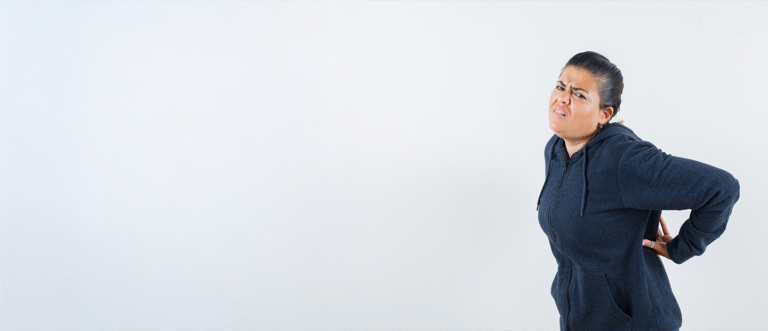
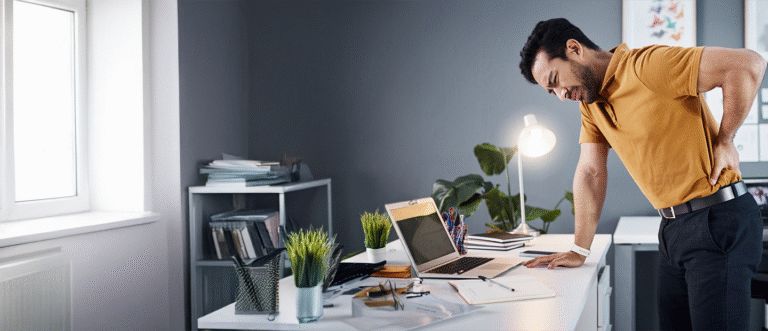
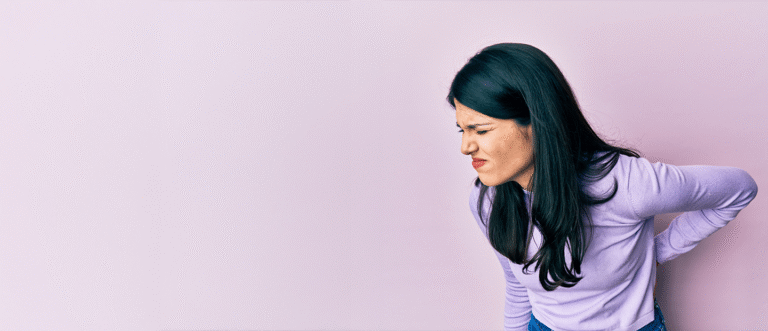
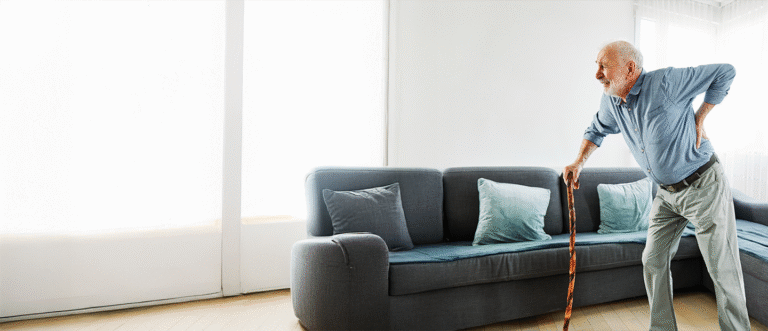
Spinal stenosis symptoms develop gradually over time and can significantly impact daily activities. The location of symptoms depends on where the narrowing occurs in your spine.

Spinal Stenosis symptoms includes:

  • Back pain that may worsen with standing or walking
  • Leg pain (radiculopathy) that travels down one or both legs
  • Neurogenic claudication – cramping or pain in legs that occurs with walking and improves when sitting or leaning forward
  • Numbness or tingling in the legs or feet
  • Weakness in the legs that may affect balance

For cervical spinal stenosis, symptoms may include:

  • Neck pain and stiffness
  • Numbness or tingling in arms and hands
  • Weakness in arms or hands
  • Balance and coordination problems
  • In severe cases, difficulty with fine motor skills

Causes

The primary cause is the gradual wear and tear on the spine associated with aging.

The main causes include:

Osteoarthritis: The most common cause, leading to bone spurs and thickened ligaments that narrow the spinal canal.

Ligament thickening: The ligamentum flavum, which helps connect vertebrae, can thicken with age and bulge into the spinal canal.

Herniated discs: Happen when the soft pads between the bones in the spine bulge out or tear, which can press on the nearby nerves and cause pain.

Degenerative disc disease: Discs dry out and shrink over time, causing vertebrae to move closer together and potentially compress nerves.

Spondylolisthesis: When one vertebra slips forward over another, it can narrow the spinal canal.

Risk Factors

Age is the primary risk factor for developing spinal stenosis. Most people who experience symptoms are over 50 years old, as the degenerative changes that cause narrowing become more common with aging.

Additional risk factors include:

  • Previous spine injuries or trauma
  • Congenital narrow spinal canal
  • Genetic factors that affect spine development
  • Certain medical conditions that affect bone and joint health

Diagnosis

Diagnosing spinal stenosis involves a comprehensive evaluation to confirm the condition and rule out other causes of similar symptoms.

The diagnostic process typically includes:

Medical history: Your doctor will ask about your symptoms, their duration, what makes them better or worse, and how they affect your daily activities.

Physical examination: This includes checking your range of motion, muscle strength, reflexes, and sensation. Your doctor may also observe your walking pattern.

Imaging tests: These are essential for visualizing the spine:

  • MRI (Magnetic Resonance Imaging): Provides detailed images of soft tissues like discs, ligaments, and the spinal cord
  • CT scan: Shows detailed bone structures and can identify areas of narrowing
  • CT myelogram: Uses contrast dye to highlight areas where nerves are compressed

These tests help determine the location and severity of narrowing, which guides treatment decisions.

Types

Spinal stenosis is classified based on its location:

Lumbar Spinal Stenosis: The most common type, occurring in the lower back. It involves narrowing of the spinal canal in the lumbar region, often leading to leg pain, numbness, and neurogenic claudication—symptoms that worsen with walking and improve with rest.

Cervical Spinal Stenosis: Affects the neck region and can cause symptoms in the arms and hands. Severe cases may compress the spinal cord, leading to balance problems.

The condition can also be categorized by the specific area of narrowing:

  • Central stenosis (narrowing of the main spinal canal)
  • Lateral recess stenosis (narrowing where nerve roots branch off)
  • Foraminal stenosis (narrowing of openings where nerves exit the spine)

Treatment

Spinal stenosis treatment typically begins with conservative, non-surgical approaches and may progress to surgery if these methods don’t provide adequate relief.

Non-Surgical Treatments

Physical therapy: A cornerstone of conservative treatment that includes exercises to strengthen spine-supporting muscles, improve flexibility, and enhance walking tolerance.

Medications:

  • NSAIDs (anti-inflammatory drugs) for pain and inflammation
  • Pregabalin for nerve-related pain, though dizziness can be a side effect
  • Pain relievers as recommended by healthcare provider

Epidural steroid injections: Corticosteroids injected around the spinal cord and nerve roots to reduce inflammation and pain. These injections have shown significant improvement in pain scores for many patients.

Surgical Treatments

When conservative treatments fail, surgical treatment for spinal stenosis may be necessary:

Decompression surgery: The most common type, aimed at creating more space for nerves. This includes laminectomy (removing part of the vertebra) and laminotomy (partial removal).

Fusion surgery: Sometimes performed with decompression to stabilize the spine, particularly when there’s spinal instability.

Minimally invasive lumbar decompression (MILD): A less invasive technique that removes thickened ligaments and bone compressing the nerves.

Interspinous spacer devices: Small implants placed between vertebrae to open up the spinal canal.

The choice of surgical approach depends on the location and severity of stenosis, as well as the patient’s overall health.

Rehabilitation

Rehabilitation plays a crucial role in managing spinal stenosis, whether treated surgically or non-surgically. Physical therapy is essential for developing a tailored exercise program that strengthens spine-supporting muscles and improves flexibility.

Exercise programs often focus on flexion-based movements that help open the spinal canal and relieve pressure on nerves. Consistent participation in rehabilitation significantly improves long-term outcomes and pain management.

Complications

While treatments for spinal stenosis are generally effective, potential complications can occur, particularly with surgical interventions.

Surgical complications may include:

  • Spinal fluid leaks
  • Wound infections or bleeding
  • Need for additional surgeries
  • Persistent pain despite treatment

Some patients may experience recurrent stenosis or require reoperation, with rates varying depending on the surgical technique used. Interspinous spacers, for example, may have higher reoperation rates compared to traditional decompression surgery.

Prevention

Spinal stenosis cannot always be prevented, as aging is the primary cause, but certain lifestyle measures can help maintain spinal health and reduce the risk of progression.

  • Maintain a healthy weight to reduce stress on the spine
  • Exercise regularly with low-impact activities like walking or swimming
  • Practice good posture throughout daily activities
  • Strengthen core muscles to support the spine
  • Avoid activities that repeatedly stress the back

While these measures cannot guarantee prevention, they may help slow the progression of degenerative changes that contribute to stenosis.

Living With a Spinal Stenosis

Managing spinal stenosis often involves combining multiple strategies to control symptoms and maintain function. Many people successfully manage their condition through regular exercise, physical therapy, and appropriate use of medications.

Lifestyle modifications, such as using assistive devices when walking long distances or adjusting daily activities to minimize symptom triggers, can greatly improve quality of life.

Key Takeaways

Spinal stenosis is a common condition affecting millions of people, primarily those over 50, characterized by narrowing of spaces within the spine that can compress nerves and cause significant pain and disability. The condition most commonly affects the lower back and neck, with spinal stenosis symptoms including back pain, leg pain, neurogenic claudication, and numbness or weakness in the extremities. While aging and degenerative changes are the primary causes, effective treatments are available ranging from conservative approaches like physical therapy and medications to surgical treatment for spinal stenosis when necessary. At Sancheti Hospital, our experienced spine specialists provide comprehensive care for patients with spinal stenosis, offering both conservative and advanced surgical treatments tailored to each individual’s needs. Our multidisciplinary team works closely with patients to develop personalized treatment plans that may include physical therapy, pain management, and when appropriate, minimally invasive surgical procedures to help restore function and improve quality of life for those living with this challenging condition.

Patient Stories & Experiences

Vinita Singh

The pain in my left knee left me feeling helpless for years. After my treatment here, I can finally say I'm pain-free.

Vinita Singh
Parvati

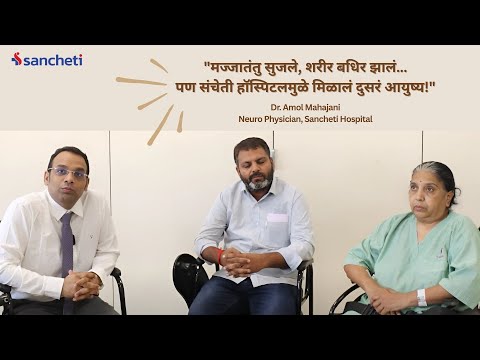
The nerves were swollen, and the body went numb. But thanks to Sancheti Hospital, I got a second life!

Parvati
Balaji Kharat

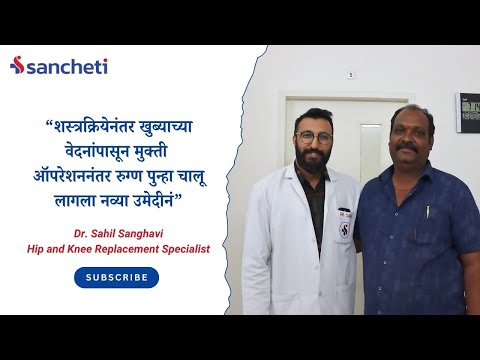
I finally could walk again, a relief I've only felt after the hip pain surgery. I thank the doctors at Sancheti Hospital for their help.

Balaji Kharat
Shantilal

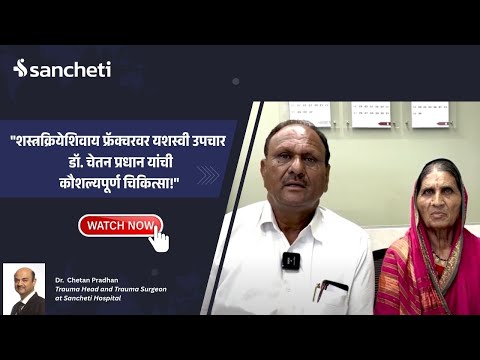
I'm a police officer, and I'm extremely thankful to Sancheti Hospital for treating my fracture without surgery.

Shantilal

Kalpana Lepcha

My life has completely changed after the knee replacement surgery at Sancheti Hospital. It's like I can finally live again!

Kalpana Lepcha
Karuna

The knee pain I've carried for years finally went away with the help of Sancheti Hospital.

Karuna
Kishore Bhosle

I can't believe that I get to finally live a normal and happy life, all thanks to the knee surgery I had at Sancheti Hospital.

Kishore Bhosle
Frequently Asked Questions

What is the most common location for spinal stenosis?

The most common location is the lower back, known as lumbar spinal stenosis. It can also occur in the neck (cervical spinal stenosis).

Key symptoms include back pain, leg pain that travels down one or both legs, and neurogenic claudication – cramping or pain in legs that occurs with walking and improves with sitting or leaning forward.

Diagnosis involves a medical history, physical examination, and imaging tests such as MRI or CT scans to visualize the narrowing and nerve compression.

No, treatment usually begins with non-surgical methods like physical therapy, exercise, medications, and injections. Surgery is considered when conservative treatments don’t provide adequate relief.

Common surgical options include decompression surgery (laminectomy), fusion surgery, minimally invasive lumbar decompression (MILD), and interspinous spacer devices. The best approach depends on the individual case.

Spinal stenosis operation recovery time varies by procedure type. Minimally invasive surgeries may require weeks to months, while fusion surgeries can take several months for complete healing.

Contact Us

(24/7 Support Line)
10am-> 05 pm
Democracy Blvd.

Follow Us

Chat