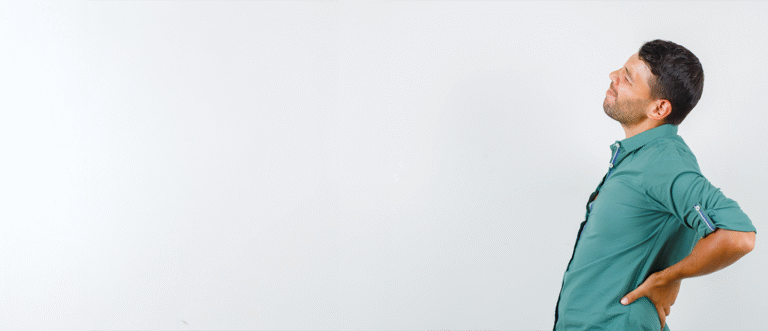
Spine Deformity Treatment in Pune
Get advanced spinal deformity treatment in Pune with expert surgeons offering scoliosis, kyphosis, and lordosis correction for improved alignment.
Overview
Your spine is like the main support beam of your body. When viewed from the side, a healthy spine has natural curves that help you stand upright and move properly. However, sometimes the spine develops unusual curves or twists. These are called spinal deformities.
A spinal deformity happens when your spine curves or bends in ways that aren’t normal. These conditions can cause pain, make you look unbalanced, and affect how well you can move around. The main types of spinal deformities include scoliosis (sideways curves), kyphosis (too much forward curve), and lordosis (too much backward curve).
These conditions can be mild or severe. Some people are born with them, while others develop them as they grow or age. Understanding spinal postural deformities is important because early treatment can prevent them from getting worse.
Symptoms
The signs of a spinal deformity depend on which type you have and how severe it is. Here are the most common symptoms people notice:
Physical signs you can see:
- Uneven shoulders (one higher than the other)
- One hip sitting higher than the other
- A visible curve in your back
- Clothes that don’t hang straight
- Feeling like you’re leaning to one side
Symptoms you might feel:
- Back pain or discomfort
- Feeling off-balance when walking
- Getting tired easily
- Muscle stiffness
- Difficulty breathing in severe cases
Causes
The causes of spinal deformity vary depending on the type:
Unknown causes: Many cases of scoliosis in teenagers happen for no clear reason. Doctors call this “idiopathic,” which simply means they don’t know why it developed.
Poor posture and lifestyle:
- Slouching regularly
- Not getting enough exercise
- Weak core muscles
- Spending too much time hunched over computers or phones
Medical conditions:
- Being born with spine problems
- Bone diseases like osteoporosis
- Injuries to the spine
- Muscle or nerve disorders
Age-related changes: As people get older, their spine can start to wear down, leading to curves that weren’t there before.
Risk Factors
Some people are more likely to develop spinal postural deformities than others:
- Age: Teenagers going through growth spurts are at higher risk for scoliosis
- Gender: Girls are more likely to have curves that get worse
- Family history: Having relatives with spine problems increases your risk
- Weak bones: Conditions like osteoporosis make the spine more vulnerable
- Poor posture habits: Consistently bad posture can contribute to some types
- Lack of exercise: Weak muscles can’t support the spine properly
Diagnosis
Finding out if you have a spinal deformity usually involves several steps:
Physical examination: Your doctor will look at your back while you stand and bend forward. They’ll check if your shoulders and hips are level and look for any visible curves.
X-rays: These are the most important tests for diagnosing spine problems. X-rays show the exact shape of your spine and help doctors measure how severe the curve is.
Other tests: In some cases, doctors might order MRI scans or CT scans to get a better look at your spine and the tissues around it.
The earlier a spinal deformity is caught, the better the chances of treating it successfully.
Types
There are three main types of spinal deformities:
Scoliosis: This is when your spine curves sideways, making an “S” or “C” shape when viewed from behind. Types include:
- Adolescent idiopathic scoliosis (most common in teens)
- Adult degenerative scoliosis (develops with age)
- Congenital scoliosis (present from birth)
Kyphosis: This is when the upper back curves forward too much, creating a “hunchback” appearance. Types include:
- Scheuermann’s kyphosis (develops in teenagers)
- Degenerative kyphosis (develops with age)
- Congenital kyphosis (present from birth)
Lordosis: This is when the lower back curves inward too much, making the buttocks stick out. This can happen in the neck area too.
Each type affects different parts of your spine and may need different treatments.
Stages
Spinal deformities are usually described by how severe they are rather than specific stages:
- Mild: Small curves that may not cause symptoms
- Moderate: Noticeable curves that might need treatment
- Severe: Large curves that definitely need treatment and may cause serious problems
Treatment
Spinal deformity treatment options range from simple watching and waiting to complex surgery:
Non-surgical treatments:
Observation: For mild curves, especially in growing children, doctors might just watch to see if the curve gets worse.
Exercise and physical therapy:
- Specific exercises to strengthen back muscles
- Stretches to improve flexibility
- Posture training
- Core strengthening exercises
Bracing: For moderate scoliosis in teenagers, wearing a back brace can help prevent the curve from getting worse. Different types include:
- Full-time braces (worn 18-23 hours per day)
- Part-time braces (worn several hours per day)
- Night-time braces (worn only while sleeping)
Pain management: This might include medications, heat therapy, or electrical stimulation.
Surgical treatment:
When curves are severe or getting worse quickly, spinal deformity surgery might be needed. Surgery can:
- Stop curves from getting worse
- Reduce the size of existing curves
- Relieve pain and other symptoms
- Improve appearance
Common surgical procedures include:
- Spinal fusion (joining vertebrae together)
- Installing rods and screws to straighten the spine
- Removing pieces of bone that are causing problems
Rehabilitation
After spinal deformity surgery, rehabilitation is crucial for recovery:
Physical therapy: This helps you regain strength and movement. You’ll work with a therapist to:
- Rebuild muscle strength
- Improve flexibility
- Learn proper movement patterns
- Gradually return to normal activities
Recovery timeline: Most people need several months to fully recover from spine surgery. The exact time depends on the type of surgery and your individual healing.
Ongoing care: Regular check-ups with your doctor are important to make sure your spine stays healthy.
Complications
While spinal deformity treatment is generally safe, there can be complications:
From the condition itself:
- Worsening curves over time
- Increased pain
- Breathing problems in severe cases
- Heart problems in very severe cases
From surgery:
- Infection
- Nerve damage
- Problems with implants
- Need for additional surgeries
The good news is that serious complications are rare, and most people do well with proper treatment.
Prevention
While you can’t prevent all spinal postural deformities, you can reduce your risk:
- Maintain good posture: Sit and stand up straight
- Exercise regularly: Focus on activities that strengthen your core and back muscles
- Take breaks: If you sit a lot, get up and move around regularly
- Use proper ergonomics: Set up your workspace to support good posture
- Stay active: Regular physical activity keeps your spine healthy
For types of spinal deformities that are genetic or present from birth, prevention isn’t possible. However, early detection and treatment can prevent them from getting worse.
Living With Spinal Deformity
Having a spinal deformity affects more than just your physical health:
Physical challenges:
- Managing pain or discomfort
- Adapting daily activities
- Following treatment plans
- Staying active within your limits
Emotional impact:
- Dealing with changes in appearance
- Maintaining self-confidence
- Coping with wearing braces if needed
Key Takeaways
Spinal deformity encompasses various conditions where the spine develops abnormal curves, including scoliosis, kyphosis, and lordosis. These spinal postural deformities can range from mild cases that only need monitoring to severe conditions requiring spinal deformity surgery. Early diagnosis through physical examination and X-rays is crucial for effective spinal deformity treatment. Treatment options vary widely, from exercises and bracing for milder cases to surgical intervention for severe deformities.
The types of spinal deformities each have different causes, with some being genetic, others developing due to poor posture or aging, and many having unknown origins. While some conditions cannot be prevented, maintaining good posture and staying physically active can help reduce the risk of certain spinal postural deformities. Living with these conditions involves both physical and emotional challenges, but with proper medical care and support, most people can maintain a good quality of life.
At Sancheti Hospital, our specialized spine care team provides comprehensive evaluation and treatment for all types of spinal deformities. Our experienced surgeons and rehabilitation specialists work together to create personalized treatment plans, from conservative management to advanced spinal deformity surgery, ensuring each patient receives the most appropriate care for their specific condition and lifestyle needs.
Patient Stories & Experiences
The pain in my left knee left me feeling helpless for years. After my treatment here, I can finally say I'm pain-free.
Vinita Singh
The nerves were swollen, and the body went numb. But thanks to Sancheti Hospital, I got a second life!
Parvati

I finally could walk again, a relief I've only felt after the hip pain surgery. I thank the doctors at Sancheti Hospital for their help.
Balaji Kharat

I'm a police officer, and I'm extremely thankful to Sancheti Hospital for treating my fracture without surgery.
Shantilal

My life has completely changed after the knee replacement surgery at Sancheti Hospital. It's like I can finally live again!
Kalpana Lepcha
The knee pain I've carried for years finally went away with the help of Sancheti Hospital.
Karuna
I can't believe that I get to finally live a normal and happy life, all thanks to the knee surgery I had at Sancheti Hospital.
Kishore Bhosle
Other Conditions
Frequently Asked Questions
What are the three main types of spinal deformity?
The three main types of spinal deformities are scoliosis (sideways curve), kyphosis (excessive forward curve), and lordosis (excessive backward curve). Each affects different parts of the spine and may require different treatments.
Is surgery always required for spinal deformities?
No, spinal deformity surgery is not always necessary. Many mild cases only need observation or physical therapy. Moderate cases might require bracing. Surgery is typically reserved for severe cases or when other treatments haven’t worked.
Can exercise fix spinal deformity?
Exercise can help manage symptoms and prevent some spinal postural deformities from getting worse, but it usually cannot completely fix established curves. Exercise is most effective for mild cases and as part of a comprehensive spinal deformity treatment plan.
How are spinal deformities diagnosed?
Spinal deformity diagnosis typically involves a physical examination where the doctor checks your posture and spine alignment, followed by X-rays to see the exact shape and measure any curves in your spine.
Home
Patient Login
International patients
Contact Us
Emergency
Download Reports