Spinal Cord Compression

Spine Cord Compression Treatment Pune

Get advanced spinal cord compression treatment in Pune with expert surgeons offering precise decompression, stabilization, and complete neurological recovery.

Overview

Spinal cord compression is a serious medical condition where pressure is applied to the spinal cord by surrounding tissues, bones, or other masses. This pressure can cause severe nerve-related problems and is often considered a medical emergency. The spinal cord is extremely delicate and vulnerable to damage from various health issues. Understanding the warning signs and spinal cord compression causes is essential for getting timely treatment, which can make a huge difference in recovery outcomes.

Symptoms

Spinal cord compression symptoms can vary depending on where the compression occurs and how severe it is. However, there are several warning signs that should never be ignored, especially when they occur alongside back pain.

The most common symptoms include:

  • Chronic back pain that gets worse over time, often with weakness in the legs 
  • Difficulty walking and problems with balance and coordination 
  • Changes in bathroom habits, such as trouble urinating or increased constipation 
  • Loss of feeling below a certain level of the spine 
  • Tingling sensations and muscle weakness 
  • Neck pain, particularly when the compression is in the neck area

One unusual but important symptom is leg pain that feels like sciatica but actually comes from compression in the neck. This happens because nerve signals get mixed up, causing pain to be felt in the wrong place. This type of referred pain can make diagnosis tricky, especially if there are also problems in the lower back.

Causes

Spinal cord compression causes are varied and can affect people of all ages. Understanding these causes helps in prevention and early recognition.

Injury-related causes: 

  • Traffic accidents, falls, and sports injuries 
  • Gunshot or knife wounds 
  • Any trauma that damages the spine

Disease-related causes: 

  • Tumors (both cancerous and non-cancerous) that grow near or in the spine 
  • Infections that create pockets of pus called abscesses 
  • Herniated or ruptured discs where the cushioning between spine bones bulges out 
  • Age-related spine changes like arthritis in the neck (cervical spondylosis) 
  • Blood clots or bleeding around the spinal cord

Risk Factors

Several risk factors for spinal cord compression can increase someone’s chances of developing this condition:

Age-related factors: 

  • Older adults are more likely to develop spine arthritis and disc problems 
  • Younger people with progressive weakness should be evaluated quickly, as this can be a warning sign

Medical history factors: 

  • Having cancer increases the risk of tumors spreading to the spine 
  • Certain blood disorders can lead to rare complications 
  • Previous spine infections

Lifestyle and activity factors: 

  • Playing contact sports 
  • Working in jobs with high fall risks 
  • Activities that put stress on the spine

Diagnosis

Getting the right diagnosis quickly is crucial because spinal cord compression can be a medical emergency. Doctors use several steps to confirm the diagnosis and find the cause.

Medical evaluation includes: 

  • Detailed symptom review focusing on nerve-related problems like weakness, numbness, or bladder issues 
  • Physical examination to check for muscle weakness, loss of sensation, or abnormal reflexes 
  • Advanced imaging using MRI scans with contrast dye, which is the best way to see spinal cord compression and identify what’s causing it

In some cases, doctors may need to take a small tissue sample (biopsy) to determine if a tumor is cancerous or benign. Special tests can also help pinpoint exactly where the problem is, especially in confusing cases where leg pain comes from neck compression.

The combination of neurological problems with back pain is a strong signal that imaging tests are needed right away.

Types

Spinal cord compression can be categorized based on how quickly it develops:

Acute spinal cord compression happens suddenly and is a surgical emergency. This can result from: 

  • Sudden injuries or trauma 
  • Rapidly growing tumors 
  • Quick-forming blood clots or abscesses

Chronic spinal cord compression develops slowly over time, often from: 

  • Gradual spine arthritis 
  • Slowly growing tumors 
  • Progressive disc problems

Treatment

Spinal cord compression treatment focuses on relieving pressure on the spinal cord to prevent further damage and improve function. The approach depends on what’s causing the compression and how severe the symptoms are.

Surgical treatments: 

  • Laminectomy – removing part of the spine bone to create more space 
  • Decompression surgery – relieving pressure in specific spine regions 
  • Tumor or disc removal – surgically taking out the mass causing compression

The timing of surgery is critical. Spinal cord compression recovery depends heavily on how quickly treatment begins after symptoms start. Early surgery often leads to better outcomes.

Non-surgical treatments: 

  • Radiation therapy for certain types of tumors or abnormal tissue growth 
  • Medications to reduce swelling and manage symptoms
  • Conservative management in carefully selected cases

Rehabilitation

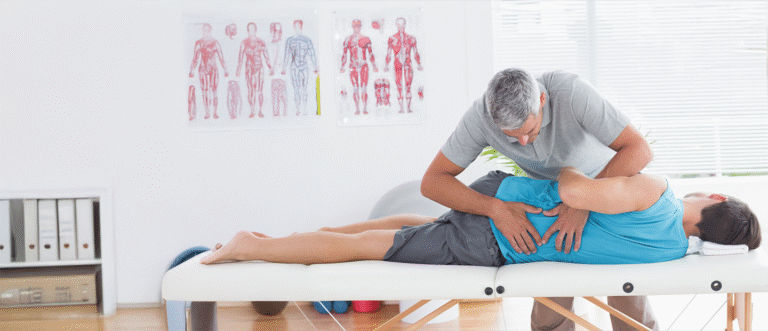
Physiotherapy for spinal cord compression and comprehensive rehabilitation are essential parts of recovery, regardless of whether the injury is complete or partial. This process requires patience and dedication from both patients and their families.

Early rehabilitation is important for: 

  • Preventing joints from becoming stiff 
  • Maintaining muscle strength 
  • Keeping bones healthy 
  • Ensuring normal breathing and digestion

Physiotherapy for spinal cord compression helps people regain as much movement and independence as possible.

Complications

Spinal cord compression can lead to serious, long-lasting complications that affect multiple body systems and overall quality of life.

Physical complications include: 

  • Ongoing muscle weakness, numbness, or paralysis 
  • Bladder and bowel control problems 
  • Increased risk of infections, especially urinary tract infections 
  • Pressure sores from limited mobility 
  • Blood pressure changes and blood clots 
  • Muscle stiffness and joint problems

These complications highlight why comprehensive, long-term care is so important after spinal cord compression.

Prevention

While not all cases can be prevented, especially those from sudden accidents or unexpected medical conditions, there are ways to reduce risk and catch problems early.

Prevention strategies include: 

  • Recognizing warning signs like progressive weakness, numbness, and bladder problems along with back pain 
  • Managing underlying conditions such as cancer or spine arthritis effectively 
  • Practicing safety in daily activities, work, and sports to prevent traumatic injuries 
  • Regular medical check-ups for people at higher risk

Quick recognition of symptoms and immediate medical attention are the most important factors in preventing permanent damage.

Living With Spinal Instability

Living with the effects of spinal cord compression is challenging and requires significant life adjustments. Recovery and adaptation are ongoing processes that affect many aspects of daily life.

Key aspects of daily living include: 

  • Pain management – Many people describe chronic pain as their biggest challenge, affecting sleep and daily activities 
  • Functional adaptations – Learning new ways to perform daily tasks, often with assistive devices 
  • Emotional support – Dealing with feelings of frustration, sadness, and uncertainty about the future 
  • Ongoing medical care – Managing secondary health problems like infections and skin issues 

Despite these challenges, many people learn to adapt and find ways to maintain meaningful, productive lives with proper support and treatment.

Key Takeaways

Spinal cord compression is a serious medical emergency that requires immediate attention to prevent permanent nerve damage. When back pain occurs with warning signs like difficulty walking, bladder problems, or muscle weakness, prompt medical evaluation is essential. The condition has many possible causes, from injuries and tumors to infections and age-related spine changes, making proper diagnosis through MRI imaging crucial. 

Treatment often involves surgery to relieve pressure on the spinal cord, and the timing of this intervention significantly affects recovery outcomes. Rehabilitation, including physiotherapy, plays a vital role in helping patients regain function and adapt to any lasting effects. 

At Sancheti Hospital, our specialized team of neurosurgeons, physiatrists, and rehabilitation experts provides comprehensive care for spinal cord compression from emergency treatment through long-term recovery. Our advanced diagnostic capabilities and multidisciplinary approach ensure that patients receive the best possible outcomes for this challenging condition.

Patient Stories & Experiences

Vinita Singh

The pain in my left knee left me feeling helpless for years. After my treatment here, I can finally say I'm pain-free.

Vinita Singh
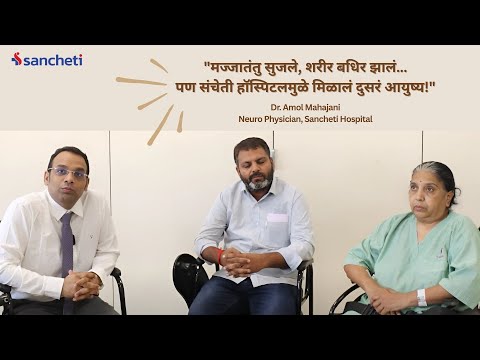
Parvati

The nerves were swollen, and the body went numb. But thanks to Sancheti Hospital, I got a second life!

Parvati

Balaji Kharat

I finally could walk again, a relief I've only felt after the hip pain surgery. I thank the doctors at Sancheti Hospital for their help.

Balaji Kharat

Shantilal

I'm a police officer, and I'm extremely thankful to Sancheti Hospital for treating my fracture without surgery.

Shantilal

Kalpana Lepcha

My life has completely changed after the knee replacement surgery at Sancheti Hospital. It's like I can finally live again!

Kalpana Lepcha
Karuna

The knee pain I've carried for years finally went away with the help of Sancheti Hospital.

Karuna

Kishore Bhosle

I can't believe that I get to finally live a normal and happy life, all thanks to the knee surgery I had at Sancheti Hospital.

Kishore Bhosle
Frequently Asked Questions

What exactly is spinal cord compression?

Spinal cord compression happens when something presses on the spinal cord, such as bone, blood, infection, or a tumor. This pressure disrupts normal nerve function and can cause serious symptoms throughout the body.

Spinal cord compression is very serious and often considered a medical emergency. Without quick treatment, it can cause permanent paralysis, loss of sensation, and problems with basic body functions.

The main symptoms include back pain, trouble walking, and bladder or bowel problems. Other important signs are muscle weakness, tingling, and loss of feeling in parts of the body.

Doctors use physical exams to check for nerve problems and MRI scans to see the compression clearly. The MRI can show exactly where the problem is and what’s causing it.

Common spinal cord compression causes include injuries from accidents, tumors, infections, herniated discs, and age-related spine changes like arthritis.

Spinal cord compression treatment usually requires surgery to relieve pressure on the spinal cord. Non-surgical options like radiation therapy may be used for certain causes. Quick treatment is essential for the best recovery.

Contact Us

(24/7 Support Line)
10am-> 05 pm
Democracy Blvd.

Follow Us

Chat