Rotator Cuff Arthropathy Treatment Pune
Get specialized rotator cuff arthropathy treatment in Pune with shoulder surgeons providing joint preservation, repair, and pain relief solutions.
Overview
Rotator cuff arthropathy occurs when a large, chronic tear in the rotator cuff leads to degenerative changes in the shoulder joint. This condition combines rotator cuff insufficiency with joint deterioration, creating a unique set of problems that require specialized treatment.
The rotator cuff consists of four muscles and tendons that surround the head cuff (the ball-shaped top of your upper arm bone). These structures work together to stabilize the arm bone within the shallow socket of your shoulder blade. When a massive tear occurs, the muscles can no longer properly center the head cuff in its socket, causing it to drift upward and rub against the roof of the shoulder. This abnormal contact leads to erosion and eventually arthropathy, or joint disease.
Symptoms
People with rotator cuff arthropathy experience distinctive symptoms that worsen over time:
Pain Patterns
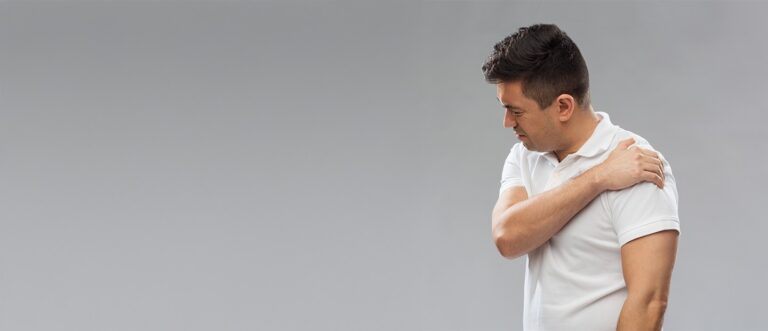
- Severe shoulder pain that worsens with arm use
- Rest pain that persists even when not using the arm
- Night pain causing frequent sleep disruption
- Progressive pain that becomes constant as the condition advances
Functional Problems
- Pseudoparalysis – near complete inability to lift the arm away from the body
- Significant weakness when attempting to raise the arm
- Stiffness and grinding sensations (crepitus) during movement
- Visible muscle shrinkage (atrophy) around the shoulder
- Prominent bulging of the head cuff when trying to lift the arm
These symptoms occur because the shoulder joint loses its stability, making normal movement extremely difficult and painful.
Causes
The primary cause of rotator cuff arthropathy is a chronic, massive rotator cuff tear. Several factors contribute to this progression:
How Tears Develop
- Acute injuries that damage multiple tendons
- Gradual wear and tear from aging
- Untreated smaller tears that enlarge over time
- Weakness of tendons associated with getting older
The Destructive Cycle
When a massive tear occurs, the shoulder joint loses its dynamic stability. The head cuff can no longer stay centered in its socket and begins to migrate upward. This creates abnormal contact between bones, leading to:
- Cartilage wear on both the ball and socket
- Development of osteoarthritis
- Fatty infiltration of remaining muscle tissue
- Bone weakening from disuse
Potential collapse of the head cuff in severe cases
Risk Factors
While anyone can develop shoulder cuff tear arthropathy, certain factors increase your risk:
- Age: Tendons naturally weaken over time
- Size of tear: Larger tears are more likely to progress to arthropathy
- Delayed treatment: Untreated tears tend to enlarge
- Muscle changes: Significant fatty infiltration (50% or more fat replacing muscle)
- Bone weakness: Osteoporosis of the head cuff
Static migration: Permanent upward shift of the arm bone
Diagnosis
Diagnosing rotator cuff arthropathy involves multiple steps:
Clinical Examination
Your doctor will assess your symptoms and perform physical tests, including:
- Range of motion evaluation
- Strength testing of shoulder muscles
- Drop Arm Test to check for significant tears
- Assessment for pseudoparalysis
- Examination for visible deformity or muscle wasting
Imaging Studies
Several imaging techniques help confirm the diagnosis:
X-rays are typically the first test performed. They show:
- Characteristic upward migration of the head cuff
- Joint space narrowing
- Acetabularization (socket-like reshaping of the roof)
- Femoralization (rounding and erosion of the head cuff)
CT scans provide detailed bone structure images and help evaluate:
- Degree of joint damage
- Socket bone quality for surgical planning
- Pattern of wear and erosion
MRI scans offer excellent soft tissue visualization, showing:
- Size and extent of rotator cuff tears
- Degree of muscle atrophy and fatty infiltration
- Tendon retraction and quality
Classification Systems
Medical professionals use standardized systems to grade the severity of rotator cuff arthropathy:
Hamada Classification
This system describes structural changes seen on X-rays:
- Grade 1: Normal spacing between bones (6mm or greater)
- Grade 2: Reduced spacing (5mm or less)
- Grade 3: Reduced spacing with socket reshaping
- Grade 4A: Joint narrowing without socket changes
- Grade 4B: Joint narrowing with socket changes
- Grade 5: Bone destruction and head cuff collapse
Seebauer Classification
This system focuses on joint stability and biomechanics:
- Type I: Centered joint with minimal upward migration
- Type II: Decentered joint with significant instability
These classifications help doctors determine the best treatment approach for each patient.
Treatment
Treatment for rotator cuff arthropathy follows a step-by-step approach, starting with conservative methods and progressing to surgery when necessary.
Non-Surgical Treatment
Initial treatment focuses on managing symptoms:
Activity Modification
- Avoiding overhead activities
- Using assistive devices for daily tasks
- Adapting work and home environments
Pain Management
- Anti-inflammatory medications
- Prescription pain relievers (typically after surgery)
- Steroid injections for temporary relief
- Ice therapy for acute pain
Physical Therapy
- Strengthening remaining functional muscles
- Maintaining available range of motion
- Learning compensatory movement patterns
Surgical Treatment
When conservative treatment fails, surgery may be necessary:
Arthroscopic Surgery: For select early-stage cases:
- Cleaning up damaged tissue (debridement)
- Releasing damaged biceps tendon
- Removing inflamed tissue
- Creating more space for movement
Joint Replacement Surgery: For advanced rotator cuff arthropathy:
Traditional Total Shoulder Replacement is generally not recommended because the lack of functional rotator cuff leads to implant loosening.
Hemiarthroplasty (replacing only the ball) was previously used but often leaves patients with continued pain and poor function.
Reverse Total Shoulder Arthroplasty is currently the gold standard treatment. This innovative procedure:
- Reverses the normal shoulder anatomy
- Places a ball on the socket side and socket on the arm side
- Allows the deltoid muscle to compensate for the damaged rotator cuff
- Provides predictable pain relief and improved function
Works well for patients with pseudoparalysis
Recovery and Rehabilitation
Post-surgical rehabilitation is crucial for optimal outcomes, especially after reverse shoulder replacement:
Timeline
- 0-6 weeks: Passive range of motion begins
- 6-12 weeks: Active exercises and resistance training start
- 3-6 months: Full recovery typically achieved
Goals
- Restore range of motion
- Build strength in remaining muscles
- Return to daily activities
- Minimize complications
Complications
Both the condition itself and its treatment can lead to complications:
Disease-Related Complications
- Persistent, constant pain
- Complete loss of arm function
- Shoulder stiffness or frozen shoulder
- Inability to return to previous activities
Surgery-Related Complications
General surgical risks include infection, bleeding, and nerve injury. Specific complications of reverse shoulder replacement include:
- Dislocation (approximately 7.5% of cases)
- Infection (approximately 4% of cases)
- Scapular notching (socket rubbing against bone)
- Fractures around the implant
- Implant loosening over time
Prevention
While not all cases can be prevented, certain measures may reduce your risk:
- Use proper lifting technique when working overhead
- Seek early medical care for shoulder injuries or persistent pain
- Consider early repair of rotator cuff tears before they become massive
- Maintain shoulder strength through appropriate exercises
Address risk factors like osteoporosis
Living with the Condition
Rotator cuff arthropathy significantly impacts quality of life, but effective treatments are available. The key is working with your healthcare team to:
- Understand your specific condition severity
- Explore all treatment options
- Make informed decisions about surgery
- Commit to rehabilitation when appropriate
- Adapt daily activities as needed
For many people with advanced disease, reverse shoulder replacement offers the best chance for meaningful improvement in both pain and function.
Key Takeaways
- Rotator cuff arthropathy develops from chronic, massive rotator cuff tears that cause joint instability and arthritis
- Symptoms include severe pain, weakness, stiffness, and pseudoparalysis (inability to lift the arm)
- Diagnosis requires clinical examination and imaging studies like X-rays, CT scans, and MRI
- Rotator cuff tear classification systems like Hamada and Seebauer help determine disease severity
- Conservative treatment includes activity modification, pain management, and physical therapy
- Reverse Total Shoulder Arthroplasty is the preferred surgical treatment for advanced cases
- Early treatment of rotator cuff tears may prevent progression to arthropathy
- Rehabilitation is essential for optimal surgical outcomes
Meet Our Total Shoulder Specialists
Patient Stories & Experiences
The pain in my left knee left me feeling helpless for years. After my treatment here, I can finally say I'm pain-free.
Vinita Singh
The nerves were swollen, and the body went numb. But thanks to Sancheti Hospital, I got a second life!
Parvati
I finally could walk again, a relief I've only felt after the hip pain surgery. I thank the doctors at Sancheti Hospital for their help.
Balaji Kharat
I'm a police officer, and I'm extremely thankful to Sancheti Hospital for treating my fracture without surgery.
Shantilal
My life has completely changed after the knee replacement surgery at Sancheti Hospital. It's like I can finally live again!
Kalpana Lepcha
The knee pain I've carried for years finally went away with the help of Sancheti Hospital.
Karuna
I can't believe that I get to finally live a normal and happy life, all thanks to the knee surgery I had at Sancheti Hospital.
Kishore Bhosle
Other Conditions
Frequently Asked Questions
How long does it take for a rotator cuff tear to develop into arthropathy?
The progression varies significantly between individuals. While some people may develop rotator cuff arthropathy within months of a massive tear, others may take years. Factors like age, activity level, tear size, and overall health influence the timeline. Early treatment of tears can prevent progression to arthropathy.
Can I still use my arm normally after reverse shoulder replacement surgery?
Most patients experience significant improvement in daily activities after reverse shoulder replacement. While you may not regain full overhead strength, most people can comfortably perform tasks like dressing, eating, and light lifting. Complete recovery typically takes 3-6 months with proper rehabilitation.
Is rotator cuff arthropathy the same as regular shoulder arthritis?
No, rotator cuff arthropathy is specifically caused by massive rotator cuff tears leading to joint instability and unusual wear patterns. Regular shoulder arthritis (osteoarthritis) typically develops gradually due to general wear and tear, age, or injury, without necessarily involving rotator cuff damage.
What happens if I choose not to have surgery for advanced rotator cuff arthropathy?
Without surgery, advanced rotator cuff arthropathy typically leads to worsening pain, complete loss of arm elevation, and significant disability in daily activities. Conservative treatments may provide temporary relief but cannot restore function or prevent further joint destruction in severe cases.
Are there any age restrictions for reverse shoulder replacement?
While reverse shoulder replacement was traditionally reserved for patients over 70, current research shows good outcomes in younger patients as well. The decision depends more on your functional demands, overall health, bone quality, and severity of symptoms rather than age alone. Your surgeon will evaluate your individual case.
Home
Patient Login
International patients
Contact Us
Emergency
Download Reports