Shoulder Labral Tear Treatment Pune
Get advanced labral tear treatment in Pune with orthopaedic specialists providing arthroscopic repair and mobility restoration care.
Overview
The shoulder joint is formed by three main bones: the humerus (upper arm bone), the scapula (shoulder blade), and the clavicle (collarbone). The top of the arm bone fits into a shallow socket called the glenoid, which is part of the shoulder blade. This shoulder ball and socket design allows for incredible mobility but can be unstable.
To help stabilize this joint, a ring of tough cartilage called the labrum surrounds the glenoid labrum. This shoulder cartilage acts like a cup, deepening the socket by up to 50% and providing attachment points for important ligaments and the biceps muscle. When this crucial shoulder tissue becomes damaged, it results in a labral tear shoulder injury.
A glenoid labrum tear can range from minor fraying to complete detachment from the bone. Understanding what a labrum tear involves is essential for proper treatment and recovery.
Symptoms of Shoulder Labral Tears
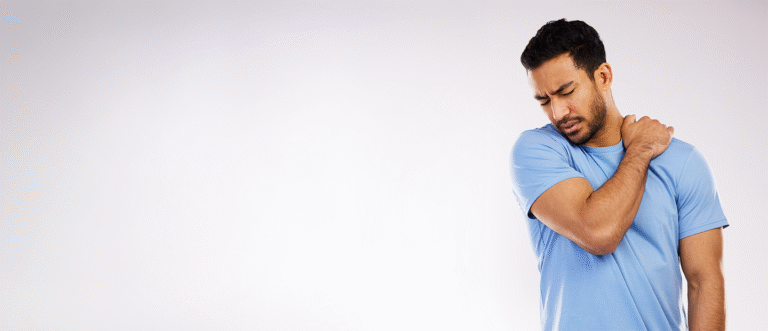
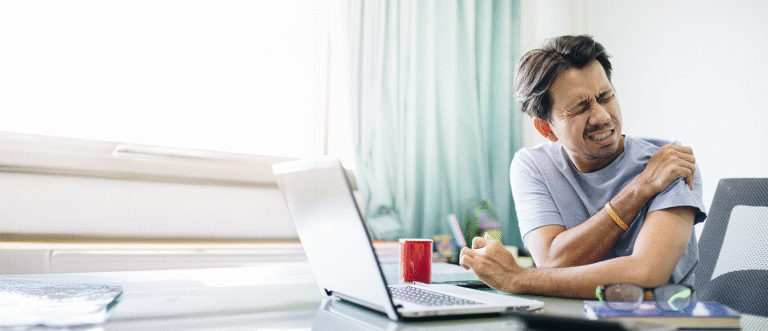
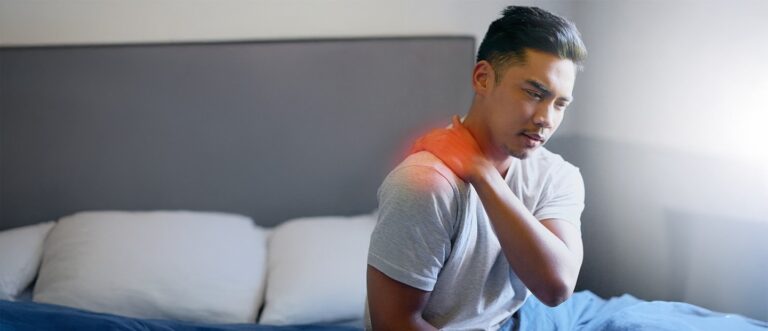
The symptoms of a shoulder labrum tear can differ greatly based on how severe the injury is and where it is located. However, several key signs indicate a possible torn labrum:
Pain and Discomfort:
- Deep, aching shoulder pain that may worsen with specific movements
- Intense pain may occur while raising the arm above the head or reaching backward.
- Night pain that disrupts sleep
- Increased discomfort during throwing motions or lifting objects
Instability Issues:
- A sensation that the shoulder may slip out of place or lose stability.
- Sensation of apprehension during certain movements
- Actual shoulder dislocation episodes
Mechanical Symptoms:
- Clicking, popping, or grinding sounds during movement
- Feeling of the shoulder “catching” or locking
- Limited range of motion
- Reduced strength in the affected arm
It’s important to note that some labral tear shoulder injuries, particularly age-related wear, may not cause any symptoms at all.
Causes of Shoulder Labral Tears
Several factors can lead to a torn labrium or shoulder tissue tear:
Acute Injury:
- Falling onto an outstretched arm
- Direct blow to the shoulder
- Sudden forceful pulling motion
- A dislocation of the shoulder joint, where the upper arm bone moves out of its socket.
Repetitive Overuse:
- Sports requiring frequent overhead motions (baseball, tennis, swimming)
- Repetitive workplace activities
- Weightlifting with poor form or excessive loads
Age-Related Degeneration:
- Gradual breakdown of the shoulder cartilage due to aging.
- Weakening of the labrum tissue with age
- Increased susceptibility to injury from minor trauma
Types of Shoulder Labral Tears
Different types of labrum tear injuries occur in specific areas of the shoulder labrum:
SLAP Tear (Superior Labral Tear): A SLAP tear is a type of labral injury that occurs in the upper part of the labrum, where the biceps tendon attaches. These injuries, also known as SLAP lesions, are common among athletes who perform frequent overhead movements. “SLAP” is an abbreviation for “Superior Labrum from Anterior to Posterior
Bankart Tear (Anterior Labral Tear): A Bankart tear is a type of anterior labral tear that affects the lower front section of the labrum. This anteroinferior labral tear is strongly associated with forward shoulder dislocations and causes significant shoulder instability.
Posterior Labral Tear: A posterior labral tear occurs in the back part of the labrum and is less common than other types. These tears can cause chronic pain and are sometimes difficult to detect on imaging.
Risk Factors
Certain groups have higher chances of developing a torn labrum shoulder injury:
- Athletes: Particularly those in overhead sports like baseball, tennis, swimming, and volleyball
- Young Adults: Anteroinferior labral tear injuries often occur in people in their twenties
- Older Adults: Age-related glenoid labrum tear becomes more common after age 40
- Manual Laborers: Jobs requiring repetitive overhead motions increase risk
Previous Injury History: Prior shoulder dislocations increase future labral tear shoulder risk
Diagnosis of Shoulder Labral Tears
Diagnosing a labrum tear typically involves several approaches:
Physical Examination: Healthcare providers perform specific tests to assess pain, instability, and range of motion. Tests for a shoulder labrum tear often involve specific movements designed to trigger symptoms or check the joint’s stability.
Imaging Studies:
- X-rays: Rule out bone fractures but cannot show shoulder cartilage damage
- MRI Scans: MRI scans offer clear images of soft tissues, such as the labrum, to help identify injuries.
- CT Scans: Sometimes used with contrast dye for better visualization
- MRI Arthrography: Involves injecting contrast into the joint for enhanced labrum visualization
Arthroscopy: In some cases, definitive diagnosis requires arthroscopic surgery, where a small camera is inserted into the joint for direct visualization.
Treatment
Labral tear shoulder treatment depends on several factors including tear type, severity, patient age, and activity level.
Non-Surgical Treatment
Many patients achieve good results with conservative labral tear shoulder treatment:
Rest and Activity Modification:
- Avoiding painful movements and overhead activities
- Temporary use of a sling for protection
- Gradual return to activities as symptoms improve
Medications:
- Anti-inflammatory drugs (NSAIDs) to reduce pain and swelling
- Pain medications as needed for comfort
Injections:
- Corticosteroid injections for persistent pain
- Platelet-rich plasma (PRP) therapy in some cases
Physical Therapy:
- Strengthening exercises for shoulder stability
- Range of motion exercises
- Torn labrum shoulder recovery without surgery often relies heavily on dedicated rehabilitation
Surgical Treatment
Surgery may be necessary when conservative treatment fails or for severe tears causing significant instability.
Arthroscopic Surgery:
- Minimally invasive approach using small incisions
- Labral repair involves reattaching torn tissue to bone
- Debridement removes damaged tissue fragments
- Tightening of loose ligaments for stability
Specific Procedures:
- SLAP tear repair involves reattaching the torn superior labrum back to the bone.
- Bankart repair for anterior labral tear shoulder with instability
- Biceps tenodesis if the biceps attachment is severely damaged
Recovery and Rehabilitation
Recovery from a torn labrum varies significantly based on treatment approach:
Non-Surgical Recovery: Torn labrum shoulder recovery without surgery typically involves 6-12 weeks of physical therapy focusing on strengthening and range of motion. Many patients see significant improvement, though complete healing of the labrum tissue may not occur.
Surgical Recovery:
- The arm is typically supported in a sling for 2 to 6 weeks, based on the type of procedure performed.
- Physical therapy beginning with gentle motion exercises
- Progressive strengthening over several months
- Return to sports may take 4-12 months, especially for throwing athletes
Labral repair requires patience as the tissue heals back to bone
Prevention
While not all shoulder tissue tear injuries can be prevented, several strategies help reduce risk:
- Use proper technique during overhead activities
- Gradually increase training intensity and duration
- Maintain shoulder strength and flexibility through regular exercise
- Always warm up before physical activity
- Pay attention to any discomfort and take rest when pain occurs to avoid further injury.
- Address shoulder instability issues promptly
Living with a Shoulder Labral Tear
A glenoid labrum tear can significantly impact daily activities and quality of life. However, with appropriate treatment, most people can return to their previous activity levels. The key is working closely with healthcare providers to develop an individualized treatment plan.
Whether pursuing torn labrum shoulder recovery without surgery or opting for labral repair, consistency with rehabilitation exercises is crucial. Labrum meaning extends beyond just anatomy – it represents the foundation of shoulder stability that affects everything from reaching overhead to sleeping comfortably.
Key Takeaways
- Many labral tears, especially those caused by age-related degeneration, can exist without noticeable symptoms and may go undetected without advanced imaging.
- MRI arthrography provides higher accuracy than standard MRI in diagnosing subtle or complex labrum injuries.
- Conservative treatment (rest, therapy, medications) often improves function and reduces symptoms even if the tear itself doesn’t fully heal.
- Recovery from labral repair surgery can take several months, and athletes may need up to a year to return to competitive activity.
- Repeated shoulder instability or dislocations can greatly increase the likelihood of future labral tears and damage to the joint.
- Preventive strategies—like proper sports technique, warm-ups, and regular shoulder strengthening—can help lower the risk of injury.
Sancheti Hospital in Pune offers a specialized and integrated approach for managing shoulder labrum tears. With experienced orthopedic specialists, advanced imaging techniques like MRI arthrography, and expertise in both non-surgical care and arthroscopic labral repair, the hospital provides personalized treatment plans tailored to each patient’s needs. Their dedicated rehabilitation team supports patients through every stage of recovery, helping them regain strength, mobility, and function with a strong focus on long-term shoulder health and injury prevention.
Meet Our Shoulder Specialists
Patient Stories & Experiences
The pain in my left knee left me feeling helpless for years. After my treatment here, I can finally say I'm pain-free.
Vinita Singh
The nerves were swollen, and the body went numb. But thanks to Sancheti Hospital, I got a second life!
Parvati
I finally could walk again, a relief I've only felt after the hip pain surgery. I thank the doctors at Sancheti Hospital for their help.
Balaji Kharat
I'm a police officer, and I'm extremely thankful to Sancheti Hospital for treating my fracture without surgery.
Shantilal
My life has completely changed after the knee replacement surgery at Sancheti Hospital. It's like I can finally live again!
Kalpana Lepcha
The knee pain I've carried for years finally went away with the help of Sancheti Hospital.
Karuna
I can't believe that I get to finally live a normal and happy life, all thanks to the knee surgery I had at Sancheti Hospital.
Kishore Bhosle
Other Conditions
Frequently Asked Questions
Can a shoulder labrum tear heal on its own?
Some minor labral tear shoulder injuries may improve with rest and physical therapy, especially age-related wear. However, the labrum tissue itself rarely heals completely without surgical intervention. Torn labrum shoulder recovery without surgery can reduce symptoms and improve function, but the actual shoulder tissue tear may remain present.
What's the difference between a SLAP tear and a superior labral tear?
A SLAP tear and superior labral tear are actually the same condition. SLAP stands for “Superior Labrum from Anterior to Posterior” and refers to a tear in the top portion of the labrum where the biceps tendon is connected. This type of labral injury is frequently seen in athletes who perform repeated overhead movements.
What is the typical recovery time after labral repair surgery?
Recovery varies depending on the type of labral tear shoulder treatment performed. Generally, patients wear a sling for 2-6 weeks, begin physical therapy around 6 weeks, and may return to normal activities in 3-6 months. Athletes, especially those with superior labral tear repairs, may need 6-12 months before returning to competitive sports.
Is surgery always necessary for a torn labrum?
No, many glenoid labrum tear cases respond well to conservative treatment. Surgery is typically recommended when non-surgical labral tear shoulder treatment fails, for severe instability, large tears, or when patients want to return to high-level athletics. About 50% of patients improve with torn labrum shoulder recovery without surgery.
What's the difference between labrum and labrium?
The term “labrum” is medically accurate and refers to the cartilage ring that surrounds the shoulder socket. “Labrium” is sometimes used colloquially but isn’t the proper anatomical term. Despite the different wording, both terms describe the same structure within the shoulder.
How accurate is MRI for detecting a labrum tear?
MRI can detect many labral tear shoulder injuries, especially larger tears and those associated with instability. However, smaller tears or certain superior labrum injuries may be missed. MRI with contrast (arthrography) improves accuracy, but sometimes arthroscopic surgery provides the definitive diagnosis.
What activities should I avoid with a torn labrum?
With a torn labrum, avoid overhead activities, heavy lifting, contact sports, and movements that cause pain or instability. The specific restrictions depend on the type of shoulder labrum tear and severity. Your healthcare provider will give personalized activity guidelines based on your labral tear shoulder treatment plan.
Home
Patient Login
International patients
Contact Us
Emergency
Download Reports