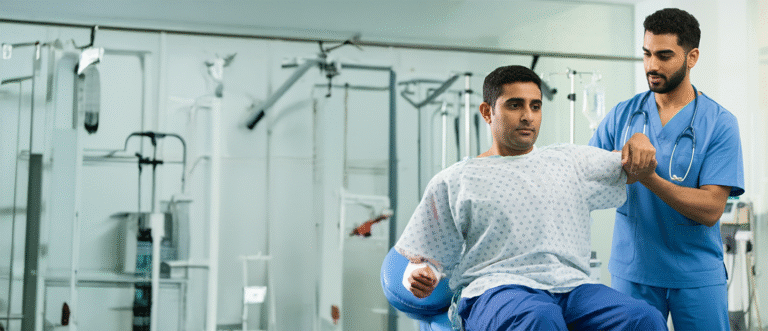
Radiation-Induced Bone Changes

Radiation Bone Changes Care Pune

We provide specialized care for radiation-induced bone changes at Sancheti Hospital’s Ortho Onco Department, ensuring effective management and recovery.

Overview

Osteoradionecrosis (ORN) is a serious complication that can develop after radiation therapy, especially in patients treated for head and neck cancer. This condition involves the death of bone tissue in areas previously exposed to radiation, where the bone fails to heal for at least three months.

While ORN can affect any bone that receives significant radiation, it most commonly occurs in the lower jaw, known as mandibular osteoradionecrosis. This happens because of the jaw’s unique structure and blood supply characteristics.

The development of ORN is a complex process. When radiation therapy targets cancer cells, it can also damage healthy tissues, including bone. This damage creates a chain reaction that injures small blood vessels, reduces blood supply and oxygen levels to the affected bone, and decreases the number of vital bone cells. This compromised environment makes the bone vulnerable to trauma and infection, ultimately leading to chronic bone death that won’t heal.

Symptoms

The symptoms of osteoradionecrosis can vary widely and may not appear until months or even years after radiation therapy ends. This delayed onset can make it challenging for patients to connect their current symptoms with past cancer treatment.

Common signs and symptoms include:

  • Persistent pain – Often the first warning sign, this pain can sometimes affect nerves
  • Swelling – Localized swelling in the affected jaw or bone area
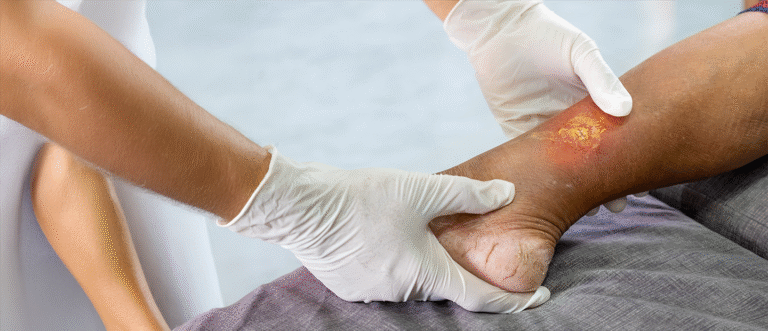
  • Exposed bone – Visible bone through the gums or skin that doesn’t heal
  • Non-healing sores – Ulcers on the gums, neck, or outer jaw that won’t improve
  • Numbness or tingling – Particularly in the lower lip if jaw nerves are affected
  • Difficulty chewing or swallowing – Due to pain, inflammation, or jaw changes
  • Limited jaw opening – Tightening of jaw muscles that restricts mouth movement
  • Bad breath or discharge of pus
  • Broken bones – In severe cases, weakened bone may fracture easily
  • Abnormal openings – Bone protruding through skin or connections between mouth and sinuses
  • Loose teeth – Teeth in the treated area may become mobile or fall out

Causes

The primary cause of osteoradionecrosis is damage from radiation therapy to normal tissues, particularly bone. While radiation is highly effective at destroying cancer cells, it can also harm healthy cells in several ways:

Direct Cell Damage: Radiation directly breaks down DNA in bone cells that are crucial for bone formation and maintenance. When these cells are damaged, the bone loses its ability to repair itself.

Indirect Effects: Radiation creates harmful molecules called free radicals that cause additional cellular damage throughout the treated area.

Blood Vessel Damage: Perhaps most critically, radiation damages the small blood vessels that supply the bone with nutrients and oxygen. This damage causes:

  • Loss of cells that line blood vessels
  • Blood clots and blocked vessels
  • Reduced oxygen delivery to bone tissue
  • Poor blood supply overall

Reduced Cell Count: The combination of poor blood flow and direct cell damage leads to fewer healthy cells in the bone tissue, making it less capable of responding to injury or fighting infection.

Scar Tissue Formation: Radiation triggers chronic inflammation that leads to excessive scar tissue formation around blood vessels and within the bone. This makes the tissue stiff and weak, prone to breakdown.

These combined factors create a situation where bone tissue lacks adequate blood supply and healthy cells needed for healing, making it extremely fragile and leading to the characteristic bone death seen in ORN.

Risk Factors

Several factors can increase a patient’s risk of developing osteoradionecrosis after radiation therapy:

Tumor-Related Factors:
  • Primary tumor location – Tumors near the jaw bones increase the likelihood of bone being in the radiation field
  • Tumor size and stage – Larger tumors often require higher radiation doses, exposing nearby healthy tissues to more radiation
Treatment-Related Factors:
  • Total radiation dose – Higher doses significantly increase ORN risk. It’s unlikely below 50 Gy and rare below 60 Gy, but risk increases dramatically above 66 Gy
  • Radiation delivery method – While modern techniques can help limit high-dose areas, the overall volume of bone receiving high doses remains important
  • Combined chemotherapy – When chemotherapy is given with radiation, ORN risk may increase
  • Dental proceduresDental extractions and other oral surgery after radiation are major risk factors due to the bone’s compromised healing ability
Patient-Related Factors:
  • Poor oral hygiene and existing dental disease
  • Smoking – Strongly associated with increased ORN risk due to reduced blood flow
  • Alcohol abuse – Can contribute to risk
  • Ill-fitting dentures – Can cause chronic irritation and trauma
  • Dry mouth – A common side effect of radiation that can lead to dental problems
  • Diabetes – Can worsen blood supply to already compromised tissues

Diagnosis

Diagnosing osteoradionecrosis requires a comprehensive approach combining medical history, physical examination, and specialized imaging studies. Since ORN symptoms can be similar to other conditions, thorough evaluation is essential to ensure accurate diagnosis.

The diagnostic process includes:

Medical History: A history of prior radiation therapy to the affected area is essential for ORN diagnosis. Information about total radiation dose, treatment area size, and any previous surgeries or trauma is important.

Physical Examination: A thorough head and neck examination identifies signs such as exposed bone, non-healing ulcers, pain, swelling, abnormal openings, and limited jaw movement. Assessment for infection or dental problems is also performed.

Tissue Biopsy: A biopsy of affected tissue is critical to rule out cancer recurrence or new cancer, as ORN can sometimes look similar to malignancy.

Imaging Studies: Various imaging techniques help confirm necrotic bone presence and determine damage extent:

  • X-rays – Often the first imaging tool, can reveal bone changes and areas of bone destruction
  • CT scans – Provide detailed views of bone changes, clearly showing bone destruction and dead bone pieces
  • MRI – Can detect early ORN changes even before symptoms appear and helps evaluate surrounding soft tissues

The final diagnosis of ORN is made when exposed dead bone persists for more than three months in a previously irradiated area, and other causes, particularly tumor recurrence, have been ruled out.

Types

While osteoradionecrosis specifically refers to bone death caused by radiation therapy, it’s important to understand that ORN can occur in any bone exposed to radiation. The most common type is jaw osteoradionecrosis, particularly mandibular osteoradionecrosis (lower jaw), due to its higher occurrence rate.

However, ORN can also affect other bones such as:

  • Ribs
  • Collar bone (clavicle)
  • Shoulder blade (scapula)
  • Upper arm bone (humerus)
  • Spine
  • Pelvis
  • Hip bone (femoral head)

It’s crucial to distinguish ORN from medication-related osteonecrosis of the jaws (MRONJ), previously known as bisphosphonate-related osteonecrosis. While both conditions result in necrotic bone, they have different causes and treatments. MRONJ is associated with certain medications like bisphosphonates, not radiation therapy.

Stages

Several staging systems classify ORN based on extent, symptoms, and treatment response. These systems help guide treatment decisions and improve communication among healthcare providers.

Marx Staging System (based on treatment response):

  • Stage 1 – Exposed bone without fracture that responds to hyperbaric oxygen therapy and minor bone removal
  • Stage 2 – Disease that doesn’t respond to initial treatments, requiring more extensive surgical removal of dead bone
  • Stage 3 – Failed previous treatments or initial presentation with fractures, abnormal openings, or extensive bone involvement

Store and Boysen’s Classification:

  • Stage 0 – Only soft tissue defects
  • Stage I – X-ray evidence of necrotic bone with intact covering tissue
  • Stage II – Positive X-ray findings with exposed bone in the mouth

Stage III – Exposed dead bone confirmed by imaging, with skin openings and infection

Treatment

Treatment of osteoradionecrosis depends on the severity and extent of the condition. There’s no single cure, but a combination of treatments can help control the condition and improve quality of life.

Conservative (Non-Surgical) Treatment: For mild cases, non-surgical approaches are often tried first:

  • Oral hygiene and mouth rinses – Essential for managing symptoms and preventing infections
  • Antibiotics – Used when infection is present, often more effective when combined with bone cleaning procedures
  • Pain management – Pain relievers and anti-inflammatory medications
  • PENTOCLO therapy – A combination of three medications that improve blood flow, provide antioxidant effects, and help bone formation
  • Hyperbaric oxygen therapy – Breathing pure oxygen in a pressurized chamber to increase oxygen delivery to damaged tissues

Surgical Treatment: Surgery is typically needed for advanced cases or when conservative measures fail:

  • Surgical debridement – Removing dead or infected tissue and necrotic bone down to healthy, bleeding bone
  • Reconstructive surgery – For extensive bone death or fractures:
    • Removal of affected bone segments
    • Free flap reconstruction – Transplanting healthy tissue with its own blood supply from other body parts
    • Other techniques like bone grafting to stimulate new bone formation

The goal of treatment is not only to eliminate dead tissue but also to restore function and improve quality of life.

Rehabilitation

Rehabilitation for patients with ORN is crucial for restoring function and improving quality of life, requiring a coordinated team approach.

Dental Rehabilitation:

  • Careful management of remaining teeth
  • Placement of dental implants (with special precautions in irradiated areas)
  • Fabrication of appropriate dentures with attention to pressure areas

Physical Therapy:

  • Exercises for limited jaw opening
  • Jaw mobility restoration techniques

Nutritional Support:

  • Dietary modifications to soft, nutritious foods
  • Nutritional supplements when needed
  • Sometimes feeding tubes for severe cases

Speech and Swallowing Therapy:

  • Management of voice changes
  • Techniques for swallowing difficulties

Complications

Osteoradionecrosis can lead to significant and long-lasting complications that profoundly impact quality of life:

  • Severe chronic pain – Often difficult to control and significantly affects daily functioning
  • Repeated infections – Dead bone and poor blood supply make the area highly susceptible to bacterial infections
  • Abnormal openings – Development of passages connecting the mouth to skin or sinuses, causing drainage and eating difficulties
  • Bone fractures – Weakened bone prone to breaking with minimal trauma
  • Functional problems – Severe difficulty chewing, swallowing, and opening the mouth
  • Facial changes – In severe cases, extensive bone death can alter facial appearance
  • Quality of life impact – Physical symptoms often lead to psychological distress, social isolation, and financial burden
  • Non-healing wounds – The fundamental problem is the tissue’s inability to heal normally
  • Weight loss and malnutrition – Due to eating difficulties

Prevention

Prevention is the most important aspect of managing osteoradionecrosis, as the condition is difficult to treat once established. A team approach involving careful care before and after radiation therapy can significantly reduce risk.

Before Radiation Therapy:
  • Comprehensive dental evaluation – Thorough assessment by a dentist experienced with head and neck cancers
  • Removal of problem teethDental extractions of teeth with poor prognosis should be completed at least 14-21 days before radiation begins
  • Improved oral hygiene – Instructions on meticulous oral care and daily fluoride treatments
  • Lifestyle changes – Strong advice to stop smoking and reduce alcohol consumption
During and After Radiation Therapy:
  • Continued excellent oral hygiene – Regular brushing, flossing, and fluoride application
  • Regular dental visits – Frequent check-ups to monitor oral health and treat problems early
  • Avoiding post-radiation dental workDental extractions in irradiated areas should be avoided for life when possible
  • Advanced radiation techniques – Modern methods can help spare healthy jaw bone from high doses

Living With Osteoradionecrosis

Living with osteoradionecrosis presents ongoing challenges, as it’s a chronic condition that can persist for years. While not always curable, it is manageable with proper support and care.

Long-term Care Strategies:

  • Regular follow-up – Ongoing monitoring with specialized dental and oncology teams
  • Strict oral hygiene – Maintaining excellent oral care despite pain or dry mouth
  • Dietary adjustments – Adapting to soft, nutritious foods, especially during symptom flare-ups
  • Pain management – Working with healthcare providers to effectively control discomfort
  • Trauma prevention – Being careful with food textures, ensuring proper denture fit, and avoiding unnecessary dental procedures
  • Emotional support – Seeking help from therapists, support groups, or patient advocates for mental well-being

Living with ORN requires ongoing vigilance and strong partnership with a dedicated healthcare team. By following preventive measures, adhering to recommended care, and seeking support, individuals can better navigate the challenges and work toward the best possible quality of life.

Key Takeaways

  • Osteoradionecrosis is a serious complication of radiation therapy characterized by bone death in treated areas, most commonly affecting the jaw
  • High radiation doses, proximity of tumors to bone, and especially dental extractions in irradiated areas are major risk factors
  • Symptoms include pain, swelling, exposed bone, abnormal openings, limited jaw movement, and potential bone fractures
  • Diagnosis requires medical history, clinical examination, and imaging studies while ruling out cancer recurrence
  • Treatment ranges from conservative management to complex surgical reconstruction, often requiring a multidisciplinary approach
  • Prevention through comprehensive dental care before and after radiation is crucial for reducing risk
  • Hyperbaric oxygen therapy may help promote healing by increasing oxygen delivery to damaged tissues
  • Early detection and proactive management are essential to minimize the condition’s devastating effects

At Sancheti Hospital, we understand the complex challenges that osteoradionecrosis presents to patients and their families. Our multidisciplinary team of specialists, including experienced oncologists, oral and maxillofacial surgeons, dentists, and rehabilitation specialists, work together to provide comprehensive care for patients dealing with this condition. 

We offer advanced diagnostic imaging, state-of-the-art surgical debridement and reconstructive procedures, hyperbaric oxygen therapy, and comprehensive rehabilitation services. Our approach focuses not only on treating the immediate effects of ORN but also on helping patients maintain their quality of life through proper nutrition support, pain management, and psychological counseling. 

We believe in the importance of prevention and work closely with radiation oncology teams to implement protective strategies before radiation therapy begins. For patients already dealing with ORN, our experienced team provides personalized treatment plans that may include both conservative management and advanced surgical techniques when necessary. 

At Sancheti Hospital, we are committed to supporting patients throughout their journey, from initial diagnosis through long-term management, ensuring they receive the comprehensive care they need to live as comfortably as possible with this challenging condition.

Meet Our Ortho Onco Specialist

Patient Stories & Experiences

Vinita Singh

The pain in my left knee left me feeling helpless for years. After my treatment here, I can finally say I'm pain-free.

Vinita Singh
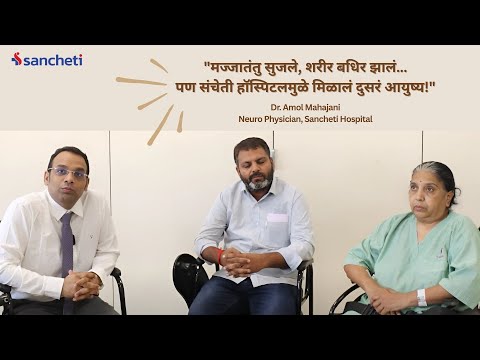
Parvati

The nerves were swollen, and the body went numb. But thanks to Sancheti Hospital, I got a second life!

Parvati

Balaji Kharat

I finally could walk again, a relief I've only felt after the hip pain surgery. I thank the doctors at Sancheti Hospital for their help.

Balaji Kharat

Shantilal

I'm a police officer, and I'm extremely thankful to Sancheti Hospital for treating my fracture without surgery.

Shantilal

Kalpana Lepcha

My life has completely changed after the knee replacement surgery at Sancheti Hospital. It's like I can finally live again!

Kalpana Lepcha
Karuna

The knee pain I've carried for years finally went away with the help of Sancheti Hospital.

Karuna
Kishore Bhosle

I can't believe that I get to finally live a normal and happy life, all thanks to the knee surgery I had at Sancheti Hospital.

Kishore Bhosle
Frequently Asked Questions

Can ORN happen immediately after radiation therapy?

No, ORN typically develops months to several years after radiation therapy completion, often appearing between 4 months and 2 years post-treatment, but sometimes even later.

No, these are distinct conditions. ORN is caused by radiation therapy, while medication-related osteonecrosis is caused by certain medications like bisphosphonates.

Dental extractions and other oral trauma are significant risk factors that can trigger ORN, especially when performed in irradiated areas after radiation therapy due to compromised bone healing.

Hyperbaric oxygen therapy involves breathing pure oxygen in a pressurized chamber to increase oxygen delivery to damaged tissues, often used to promote healing and prepare tissues for surgery.

While not always entirely preventable, ORN risk can be significantly reduced through comprehensive dental care before radiation, excellent oral hygiene, and avoiding post-radiation dental extractions when possible.

Severe complications include chronic pain, persistent infection, abnormal openings to skin or sinuses, bone fractures, and significant impact on eating, speaking, and quality of life.

Contact Us

(24/7 Support Line)
10am-> 05 pm
Democracy Blvd.

Follow Us

Chat