Local Tumor Recurrence

Local Tumor Recurrence Treatment Pune

We offer advanced treatment for local tumor recurrence at Sancheti Hospital’s Ortho Onco Department, using cutting-edge surgical and radiation therapies.

Overview

Receiving a cancer recurrence diagnosis can feel overwhelming, like facing a battle you thought was already won. Cancer recurrence means cancer has returned after a period when it couldn’t be detected – a time called remission. Even after successful treatment that eliminates all visible signs of cancer, some microscopic cancer cells may remain hidden in your body.

These surviving cells are too small for current tests to detect. Over time, they can grow and multiply, causing the cancer to reappear. It’s crucial to understand that recurrent cancer doesn’t mean your first treatment failed or that you did something wrong. It simply means some resilient cells survived the initial therapy.

While a recurrent cancer diagnosis brings challenges, medical advances mean many people live for years with this condition. Effective treatment options are available to help manage the disease and maintain quality of life.

Symptoms

Staying alert to changes in your body is essential for early detection of cancer recurrence. Many symptoms can seem like minor health issues, which is why it’s important to discuss any persistent changes with your doctor.

Common symptoms that may signal cancer recurrence include:

  • Return of symptoms similar to your original cancer, such as new lumps or growths near the original site
  • Persistent pain that doesn’t improve
  • Ongoing cough that won’t go away
  • Unexplained weight loss
  • Unusual bleeding or bruising
  • Fever that persists
  • Frequent headaches
  • Shortness of breath
  • Blood in stool or urine
  • Nausea and vomiting
  • Difficulty swallowing

Your doctor can provide specific guidance on which symptoms to watch for based on your original cancer type. Remember, these symptoms don’t automatically mean cancer has returned, but they should be evaluated promptly.

Causes

Cancer comes back because some cancer cells survive the initial treatment. Even the most advanced therapies find it extremely difficult to eliminate every single cancer cell in the body. These surviving cells are often microscopic and undetectable immediately after treatment.

Several factors explain why cancer comes back:

Missed Cells: Surgery may remove visible tumors, but microscopic cells might have already spread beyond the surgical area. Similarly, radiation therapy targets specific areas, and cells outside this zone can survive.

Treatment Resistance: Cancer cells constantly change and adapt. Some develop resistance to chemotherapy drugs or targeted therapies, allowing them to continue growing despite treatment.

Dormant Cells: Certain cancer cells can “sleep” for extended periods – sometimes years or decades. These dormant cells are harder to target with treatments that focus on actively dividing cells. They can later wake up and begin multiplying.

Cancer Stem Cells: A small group of cells within tumors, called cancer stem cells, are highly resistant to standard treatments like chemotherapy and radiation. They can remain quiet for long periods before contributing to recurrence.

Cellular Survival Mechanisms: Research shows that some dying cancer cells can actually send signals that help other cancer cells survive and grow, contributing to tumor regrowth after therapy.

Risk Factors

Several factors influence the likelihood of cancer recurrence.  Key risk factors include:

Type of Cancer: Some cancers naturally have higher recurrence rates due to their biological characteristics. For example, certain brain cancers and ovarian cancers have notably high recurrence rates.

Stage of Original Cancer: Generally, more advanced cancers (higher stages) carry greater risk of recurrence. Early-stage cancers typically have lower recurrence rates than late-stage diseases.

Previous Treatment Response: How well your cancer responded to initial treatment significantly impacts future risk. If cancer cells weren’t completely eliminated or developed treatment resistance, recurrence risk increases.

Lymph Node Involvement: For many cancers, the number of affected lymph nodes influences both local recurrence risk and overall outcomes.

Overall Health and Lifestyle: Your general health, including diet, exercise habits, and avoiding tobacco and excessive alcohol, can influence recurrence risk. Studies suggest healthy lifestyle choices may help reduce this risk.

Patient Age: In some cancer types, younger age at diagnosis may be associated with different recurrence patterns.

Diagnosis

Diagnosing recurrent cancer typically involves many of the same tests used for your original diagnosis. Regular follow-up appointments are crucial for early detection, as your oncologist monitors for any concerning signs.

Diagnostic tools may include:

Physical Examinations: Regular check-ups allow doctors to assess your overall health and look for new physical changes.

Blood Tests: These provide important information through:

  • Complete blood count (CBC) to monitor overall health
  • Immunophenotyping for blood cancers
  • Liquid biopsy to detect cancer cells or DNA in blood
  • Tumor marker tests to measure cancer-related substances

Imaging Tests: These create detailed pictures of your body’s interior:

  • CT scans to identify recurrent cancer and assess size/location
  • MRI scans for detailed tissue images
  • PET scans to identify areas with high glucose uptake (cancer cells typically consume more glucose)

Biopsies: If recurrence is suspected, a biopsy confirms the diagnosis by examining tissue samples under a microscope. Various biopsy types may be used depending on the suspected location.

Types

Recurrent cancer is classified based on where it appears relative to the original tumor. Understanding these types helps determine appropriate treatment approaches:

Local Recurrence: Cancer returns in the exact same location or very close to the original site. For example, if you had prostate surgery, recurrent cancer might develop where the prostate was located. This suggests some cancer cells remained in the immediate area despite initial treatment.

Regional Recurrence: Cancer returns in nearby lymph nodes or tissues close to the original site. This happens when surviving cancer cells migrate to neighboring areas. An example would be breast cancer returning in nearby underarm lymph nodes.

Distant Recurrence: Also called metastatic cancer, this occurs when cancer spreads to organs or tissues far from the original tumor. For instance, lung cancer might recur in the brain. This type represents the greatest treatment challenge and typically requires comprehensive systemic treatment.

Stages

When cancer returns, doctors perform “restaging” – essentially repeating many diagnostic tests to determine where the cancer has returned, whether it has spread, and how extensively. A new stage may be assigned to the recurrent cancer, often marked with an “r” (such as rStage II) to show it’s a restaging. Your original cancer stage remains unchanged.

Treatment

Treatment for recurrent cancer is highly personalized, depending on your cancer type, when it returns, its location, and your overall health. Your healthcare team will discuss all available options and what to expect from each approach.

The primary goals often focus on managing the cancer, preventing progression, and improving quality of life rather than seeking an outright cure.

Treatment options include:

Surgery: For localized, removable recurrences, surgery may be an option. This might involve removing new tumors or, in some cases like local breast cancer recurrence, more extensive procedures.

Chemotherapy: Uses drugs to kill cancer cells. Doctors may repeat previous chemotherapy or try different drug combinations. However, cancer cells can develop resistance over time, and these medications can have significant side effects.

Radiation Therapy: Uses high-energy beams to destroy cancer cells. It may be used again for localized recurrences or combined with other treatments.

Targeted Treatments: These therapies attack specific cancer cell features while minimizing damage to healthy tissue, offering more personalized treatment with potentially fewer side effects.

Immunotherapy: This approach harnesses your body’s immune system to fight cancer and shows promise in various recurrent cancers.

Palliative Care: Regardless of other treatments chosen, palliative care provides additional support to manage cancer symptoms and treatment side effects, helping maintain quality of life.

The treatment choice is deeply personal, and you have the final decision. Important factors include cancer type, how quickly it returned, the location of recurrence, and your overall health. Take time to understand all options, discuss them with your care team and loved ones, and consider seeking a second opinion.

Complications

Cancer recurrence and intensive treatment can lead to various complications and long-term side effects that impact quality of life. These may appear months or years after treatment ends.

Common long-term effects include:

  • Fatigue: Chronic exhaustion affecting many cancer survivors for years
  • Dental Problems: Reduced saliva leading to dry mouth, cavities, taste changes, and swallowing difficulties
  • Hormonal Changes: Including early menopause in women
  • Mental Health Issues: Anxiety, depression, and post-traumatic stress are common, especially after recurrence
  • Physical Problems: Including incontinence, lymphedema (painful swelling), nerve pain, and sexual dysfunction
  • Heart Problems: Some aggressive treatments can cause cardiovascular issues
  • Bone Thinning: Osteoporosis may develop as a long-term effect
  • Cognitive Issues: Memory and thinking problems are sometimes reported
  • Surgical Complications: Extensive surgeries for recurrent cancer can lead to wound problems and prolonged recovery

Higher doses of radiation and chemotherapy increase the likelihood of these long-term effects.

Prevention

While no guarantees exist, certain lifestyle changes and proper follow-up care can help optimize your health and potentially reduce cancer recurrence risk.

Key strategies include:

Healthy Diet: Focus on fruits, vegetables, and whole grains. Limit red and processed meats, and reduce sugar intake, especially from sugary drinks.

Weight Management: Maintain a healthy weight, as obesity increases risk for many cancer types.

Regular Exercise: Aim for at least 150 minutes of moderate activity weekly. Exercise helps reduce stress, build strength, and improve endurance. 

Avoid Harmful Substances: Stop using tobacco products and limit alcohol consumption to recommended guidelines.

Adequate Sleep: Cancer and treatment are demanding on your body, making sufficient rest essential.

Regular Follow-Up Care: Stick to your oncologist’s schedule for check-ups and screening tests. This proactive approach significantly improves outcomes through early detection.

Maintenance Therapy: Sometimes, lower doses of treatment may be prescribed during remission to prevent remaining cancer cells from growing.

Living With Recurrent Cancer

Living with recurrent cancer can feel overwhelming, often bringing feelings more intense than the initial diagnosis. However, you’re not starting from scratch – you have valuable experience and knowledge from your first journey.

Strategies to help you cope include:

Acknowledge Your Feelings: It’s normal to feel discouraged and overwhelmed. Give yourself time to process these emotions, as they are valid and important.

Practice Self-Care: Engage in healthy habits like nutritious eating, adequate sleep, and regular exercise (with doctor approval). These can reduce stress and build strength.

Use Coping Strategies: Meditation, yoga, journaling, and support from friends and family are invaluable tools. Don’t hesitate to communicate your needs to your support system.

Seek Professional Support: Therapists or counselors specializing in cancer care can provide additional help. Cancer survivorship programs focusing on living with cancer challenges are also beneficial.

Plan Ahead: Consider discussing your health preferences and wishes for future medical decisions, including advance directives.

Consider Palliative Care: This specialized care focuses on relieving symptoms and stress, improving quality of life for both patients and families alongside curative treatment.

Key Takeaways

  • Cancer recurrence occurs when cancer returns after remission, typically because some cells survived initial treatment
  • Three main types exist: local recurrence (same area), regional recurrence (nearby tissues), and distant recurrence (metastatic cancer)
  • Symptoms may resemble original cancer or be general, emphasizing the importance of regular communication with your healthcare team
  • Diagnosis involves similar tests to initial diagnosis, often leading to restaging of the cancer
  • Treatment options are personalized and may include surgery, chemotherapy, radiation therapy, targeted treatments, immunotherapy, or clinical trials
  • Long-term complications can affect quality of life, but strategies exist to manage them
  • Healthy lifestyle choices and regular follow-up care may help reduce recurrence risk
  • Living with recurrent cancer involves emotional coping, leveraging past experiences, and maintaining support systems

At Sancheti Hospital, we understand the complex challenges that come with cancer recurrence. Our comprehensive oncology team is dedicated to providing personalized, compassionate care for patients facing this difficult journey. 

We offer advanced diagnostic capabilities, cutting-edge treatment options including immunotherapy and access to clinical trials, and comprehensive support services. Our multidisciplinary approach ensures that each patient receives tailored care addressing not just the medical aspects of recurrent cancer, but also the emotional and psychological needs that arise. 

From early detection through treatment and palliative care, Sancheti Hospital is committed to helping patients and families navigate cancer recurrence with hope, dignity, and the highest quality medical care available.

Meet Our Ortho Onco Specialist

Patient Stories & Experiences

Vinita Singh

The pain in my left knee left me feeling helpless for years. After my treatment here, I can finally say I'm pain-free.

Vinita Singh
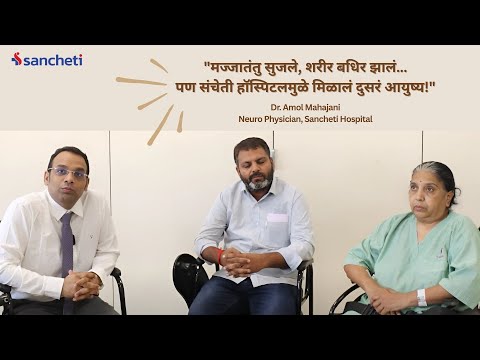
Parvati

The nerves were swollen, and the body went numb. But thanks to Sancheti Hospital, I got a second life!

Parvati
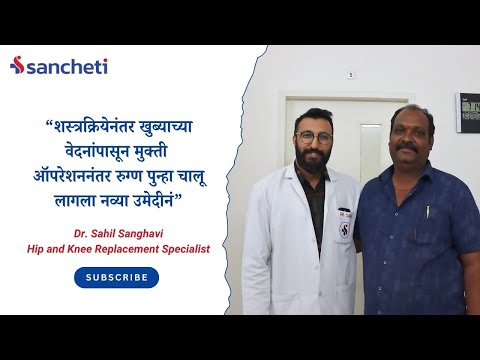
Balaji Kharat

I finally could walk again, a relief I've only felt after the hip pain surgery. I thank the doctors at Sancheti Hospital for their help.

Balaji Kharat
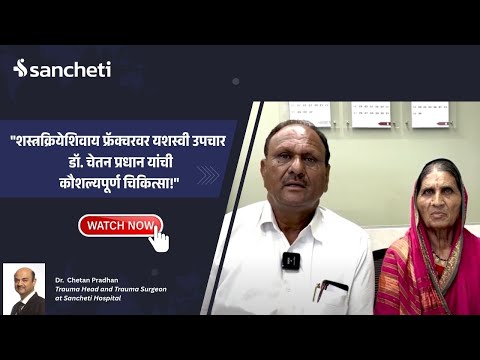
Shantilal

I'm a police officer, and I'm extremely thankful to Sancheti Hospital for treating my fracture without surgery.

Shantilal
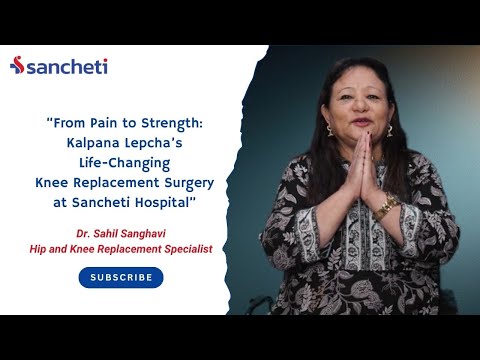
Kalpana Lepcha

My life has completely changed after the knee replacement surgery at Sancheti Hospital. It's like I can finally live again!

Kalpana Lepcha
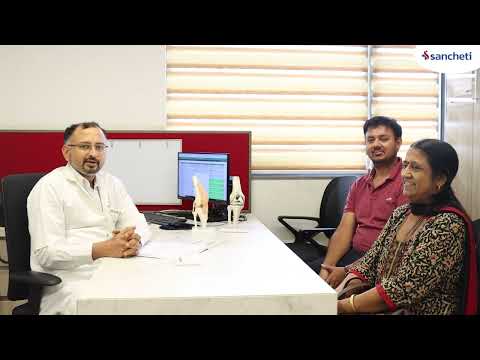
Karuna

The knee pain I've carried for years finally went away with the help of Sancheti Hospital.

Karuna
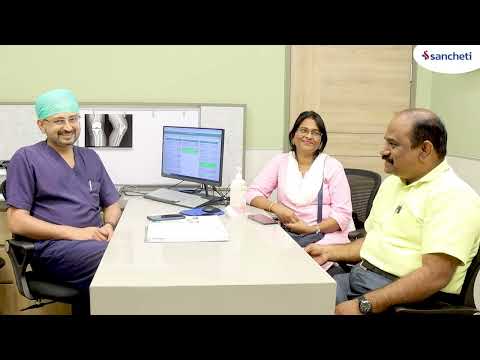
Kishore Bhosle

I can't believe that I get to finally live a normal and happy life, all thanks to the knee surgery I had at Sancheti Hospital.

Kishore Bhosle
Frequently Asked Questions

Can I still work during treatment for recurrent cancer?

Many people continue working during treatment, though you may need flexible schedules or accommodations. Your ability to work depends on your job type, treatment intensity, and side effects. Discuss workplace accommodations with your employer and consider consulting with a social worker about disability benefits if needed.

You don’t need to follow extreme diets, but focus on nutrient-rich foods that support your body during treatment. Avoid restrictive “cancer diets” without medical supervision. Your oncologist or a registered dietitian can provide personalized nutrition guidance based on your specific treatment plan and any eating difficulties.

Current research shows no direct link between stress, emotions, or personality traits causing cancer recurrence. While chronic stress can affect your immune system and overall health, it doesn’t directly make cancer return. Focus on managing stress for your well-being, but don’t blame yourself for the recurrence.

Contact Us

(24/7 Support Line)
10am-> 05 pm
Democracy Blvd.

Follow Us

Chat