Neurological Disorder Expert Care Pune
Our specialists at Sancheti Hospital diagnose and treat neurological disorders in older adults using advanced care for better brain and nerve health.
Overview
As people age, neurological diseases become more common and pose serious challenges for patients, families, and healthcare systems. These conditions affect the nervous system – including the brain, spine, and nerves – and are a leading cause of long-term disability and the second leading cause of death worldwide.
Neurological disorders are conditions that affect how the nervous system works. The nervous system includes two main parts:
- Central nervous system: Brain and spinal cord
- Peripheral nervous system: All nerves that branch off from the spinal cord
These disorders can interrupt communication pathways in the body, causing various symptoms depending on which area is affected. There are hundreds of different neurological disorders, and while they can affect anyone, most become much more common as people get older.
For elderly people, age itself changes how these diseases develop and progress. As bodies age, the nervous system goes through natural changes like reduced blood flow, stiffening arteries, and slower nerve cells. Health problems like high blood pressure, diabetes, and high cholesterol can speed up these age-related changes.
Symptoms
Neurological disorders symptoms vary widely depending on the specific condition and which parts of the nervous system are affected. Early symptoms of neurological disorders in older adults may include:
Physical Symptoms:
- Pain: Headaches, back pain, or neck pain
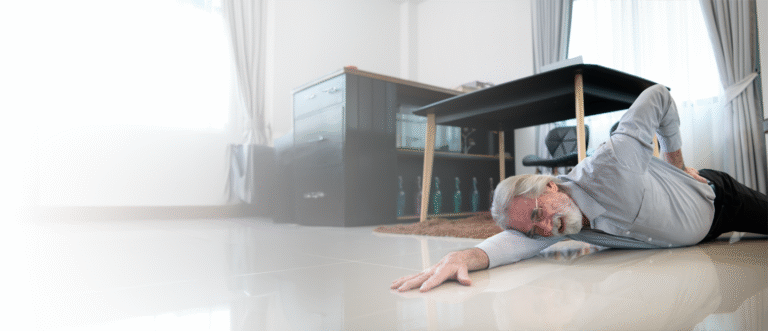
- Movement problems: Weakness, stiffness, tremors, muscle spasms, paralysis, trouble with coordination, and frequent falls
- Sensation changes: Numbness, tingling, increased sensitivity to touch or temperature, or loss of feeling
Sensory Changes:
- Vision loss or double vision
- Ringing in ears or hearing loss
- Loss of smell or taste
- Hallucinations
- Dizziness and balance problems
Sleep and Consciousness Issues:
- Difficulty sleeping or excessive daytime sleepiness
- Involuntary movements during sleep
- Loud snoring
- Fainting or seizures
Cognitive and Communication Problems:
- Confusion and memory loss
- Trouble concentrating or learning
- Mood changes
- Slowed or slurred speech
- Difficulty swallowing
- Trouble breathing with light activity
These symptoms can seriously impact a person’s daily activities and independence.
Causes
Causes of neurological disorders occur when there is damage or problems in the brain or nervous system. In elderly people, the aging process itself contributes to biological and chemical changes within the nervous system.
Natural age-related changes include:
- Reduced blood circulation to the brain
- Stiffening of arteries
- Less effective neurotransmitters (chemicals that send messages between nerve cells)
- Hormonal changes that can affect memory and daily tasks
Disease processes can make these age-related changes worse, leading to conditions like:
- Stroke: Due to blood circulation problems
- Dementia: From nerve cell damage
- Parkinson’s disease: From neurotransmitter problems
Some conditions, like Chronic Subdural Hematoma, can result from even mild head injuries in older adults whose brain volume has decreased with age.
Risk Factors
Several factors increase the risk of developing neurological disorders in elderly people:
Primary Risk Factors:
- Age: The biggest risk factor, with most neurological diseases becoming much more common with age
- Underlying health conditions: Uncontrolled blood pressure, diabetes, and high cholesterol
- Gender: Women may have higher risk for some conditions
Conditions with High Fall Risk:
- Stroke
- Parkinson’s disease
- Dementia
- Epilepsy
- Nerve problems in arms and legs
Other Risk Factors:
- Multiple neurological conditions at once
- Lower independence in daily activities
- Poor balance confidence
- Depression
- History of previous falls
Diagnosis
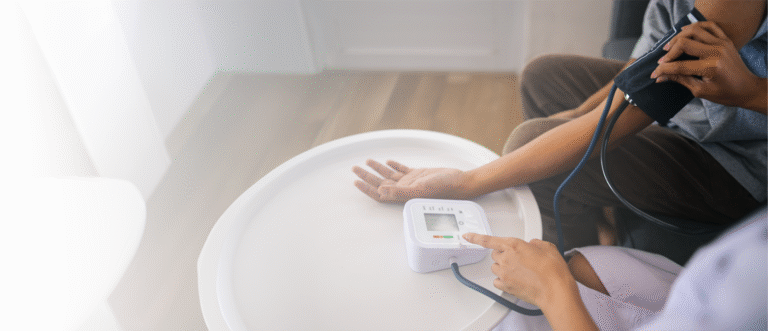
Diagnosing neurological disorders requires a complete evaluation by a healthcare provider. The process typically includes:
- Physical examination
- Detailed medical history
- Blood tests
- Brain wave tests (EEG)
- Muscle function tests (EMG)
- Imaging tests: MRI or CT scans
- Nerve conduction studies
- Spinal fluid tests
- Sleep studies
Advanced tests like special brain scans and biomarkers help identify specific conditions and plan appropriate neurological disorders treatment.
Types
Types of neurological disorders commonly seen in elderly people include:
Major Conditions:
- Alzheimer’s Disease and Other Dementias: Progressive conditions causing memory loss, thinking problems, and changes in behavior and social interactions
- Parkinson’s Disease: Affects movement with symptoms like tremors, stiffness, and balance problems, plus non-movement symptoms like pain and depression
- Stroke: Caused by blood flow problems in the brain, leading to sudden loss of function and increased dementia risk
- Epilepsy/Seizures: Characterized by repeated seizures, common in elderly populations
Other Important Conditions:
- Multiple Sclerosis: Immune system attacks nerve coverings, causing disabilities affecting movement, vision, and sensation
- Chronic Subdural Hematoma: Slow blood collection between brain and skull from mild head injuries
- Normal Pressure Hydrocephalus: Excess fluid in brain causing walking difficulties, incontinence, and dementia
Many elderly people have multiple brain conditions together, which is more common than previously thought.
Stages
Neurological diseases can progress in different ways:
- Some involve gradual, steady decline
- Others show speeding up of symptoms over time
- Some have sudden changes followed by recovery or continued worsening
Care needs often change throughout the illness based on symptoms, function changes, and disease stage. Understanding both how long someone might live and how well they might function helps with planning care decisions.
Treatment
Neurological disorders treatment is highly personalized and depends on the specific condition and symptoms:
Medical Treatments:
- Medications: To manage symptoms or slow disease progression
- Surgery: For certain conditions like blood clots in the brain
- Clinical trials: Participation in research for new therapies
Supportive Care:
- Assistive devices: To help with mobility and daily tasks
- Physical therapy: To maintain or improve movement and strength
- Occupational therapy: To help with daily living skills
- Speech therapy: For communication or swallowing problems
Palliative Care:
This important approach focuses on improving quality of life and reducing suffering throughout the entire disease process, not just at the end of life. It addresses physical, emotional, social, and spiritual needs.
Rehabilitation
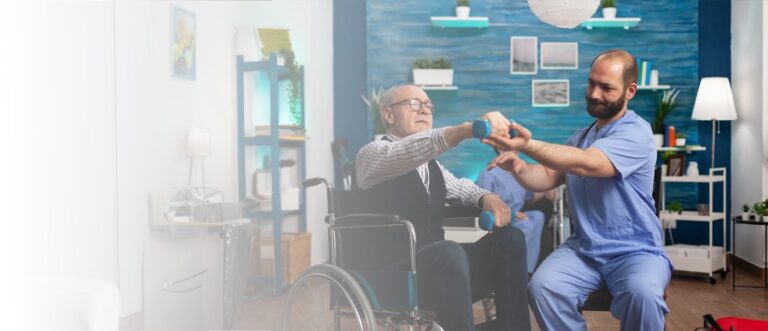
Physiotherapy for neurological disorders plays a vital role in managing these conditions. Rehabilitation is especially important after events like stroke or for progressive conditions affecting movement and function.
Key rehabilitation services include:
- Physical therapy: Helps restore or maintain movement abilities and strength
- Occupational therapy: Focuses on daily living skills and independence
- Speech therapy: Addresses communication and swallowing difficulties
Specialized rehabilitation centers provide comprehensive care with advanced technology and expert teams to help improve mobility and function.
Complications
Neurological disorders can lead to serious complications that significantly impact quality of life:
Physical Complications:
- Falls: Much more common in people with neurological conditions, leading to injuries, reduced independence, and possible need for care facilities
- Blood clots in the brain: Particularly after head injuries
- Breathing difficulties
- Swallowing problems
Mental Health Impact:
Living with unpredictable symptoms can be very stressful. Depression and anxiety are much more common in people with neurological diseases than in the general population. The emotional impact affects both patients and their caregivers.
Prevention
While not all neurological disorders can be prevented, neurological disorders prevention strategies can help reduce risks:
General Health Measures:
- Maintain good overall health
- Control blood pressure, diabetes, and cholesterol
- Exercise regularly
- Eat a healthy diet
- Get regular health checkups
Lifestyle Factors:
- Stay mentally and socially active
- Get adequate sleep
- Manage stress
- Avoid smoking and excessive alcohol
Living With Neurological Conditions
Living with a neurological condition in older age presents unique challenges, but maintaining dignity and quality of life is possible. Key aspects include:
Communication and Support:
Receiving clear, compassionate, and timely information about the condition and what to expect helps patients and families make informed decisions.
Comprehensive Symptom Management:
Addressing the wide range of symptoms like pain, fatigue, sleep problems, and thinking difficulties through medical treatment and supportive therapies.
Key Takeaways
Neurological disorders represent a significant health challenge for elderly individuals, with their prevalence increasing sharply with age and impacting multiple aspects of daily life.
These conditions cause suffering across physical, emotional, social, and spiritual dimensions, commonly presenting with movement difficulties, sensation changes, cognitive problems, and sleep disturbances.
While complete prevention isn’t always possible, maintaining overall health and seeking early diagnosis and comprehensive care remain crucial strategies. Treatment approaches vary by condition but typically include medications, various therapies, and importantly, palliative care to enhance quality of life throughout the illness journey.
For individuals facing the physical and mobility challenges associated with neurological conditions, specialized medical centers play a vital role in comprehensive care. Sancheti Hospital in Pune, India, exemplifies this approach as a leading orthopedic institution offering specialized services including their Spine & Neurosciences department.
Our comprehensive rehabilitation services, advanced medical technology, and expert surgical team provide integrated care that addresses the musculoskeletal complications and recovery needs often arising in elderly individuals with neurological conditions.
By offering physiotherapy and rehabilitation services alongside our medical expertise, we help patients improve mobility, maintain function, and achieve better outcomes in their neurological care journey.
Meet Our Geriatric Specialists
Patient Stories & Experiences
The pain in my left knee left me feeling helpless for years. After my treatment here, I can finally say I'm pain-free.
Vinita Singh
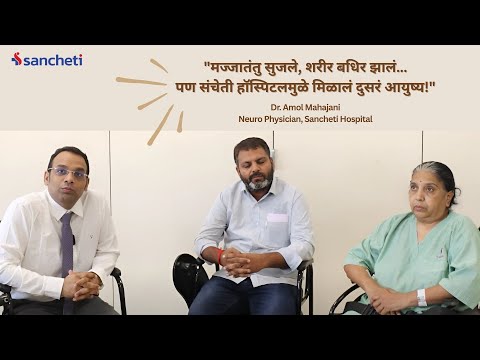
The nerves were swollen, and the body went numb. But thanks to Sancheti Hospital, I got a second life!
Parvati

I finally could walk again, a relief I've only felt after the hip pain surgery. I thank the doctors at Sancheti Hospital for their help.
Balaji Kharat
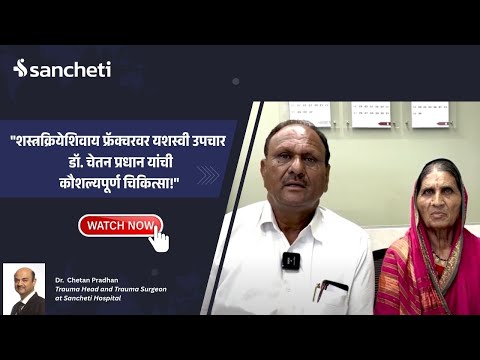
I'm a police officer, and I'm extremely thankful to Sancheti Hospital for treating my fracture without surgery.
Shantilal

My life has completely changed after the knee replacement surgery at Sancheti Hospital. It's like I can finally live again!
Kalpana Lepcha
The knee pain I've carried for years finally went away with the help of Sancheti Hospital.
Karuna
I can't believe that I get to finally live a normal and happy life, all thanks to the knee surgery I had at Sancheti Hospital.
Kishore Bhosle
Frequently Asked Questions
How do I know if new symptoms mean my neurological condition is getting worse?
Watch for changes like more frequent falls, sudden confusion, difficulty speaking, new weakness, or worsening memory. Quick changes or severe symptoms should be reported to your doctor as soon as possible.
Can treatments help if my neurological disorder is already advanced?
Yes, even in later stages, there are medications, therapies, assistive devices, and rehabilitation services that can improve quality of life, ease symptoms, and support independence. This applies to movement, pain, speech, and daily activities.
Is it possible to join neuro-rehabilitation programs from home or do I need to visit a center in Pune?
Sancheti Orthopedic Hospital in Pune offers home-based therapy and tele-rehabilitation. However, in-person sessions at specialized centers may be necessary for complex needs or use of advanced equipment.
Will having more than one neurological disorder (like stroke and Parkinson’s) change my treatment?
Yes, care is more complex with overlapping neurological problems. Your treatment plan will likely involve multiple specialists (neurologists, physiotherapists, psychologists) who co-ordinate medications, therapies, and safety strategies specific to your combination of conditions.
Home
Patient Login
International patients
Contact Us
Emergency
Download Reports