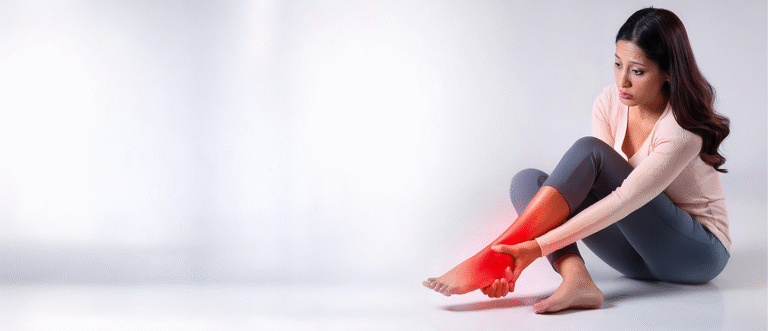
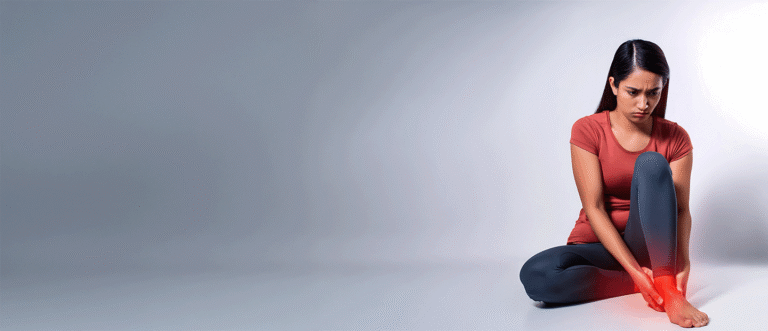
Hammertoe

Hammertoe Treatment in Pune

Get advanced hammertoe treatment in Pune with foot surgeons providing correction surgery, splinting, and rehabilitation for pain-free walking.

Overview

Hammertoe is a common foot deformity that affects millions of people worldwide. This condition causes one or more toes to bend abnormally at the middle joint, creating a hammer-like appearance. The affected toe curls downward instead of pointing straight ahead.

Most commonly, hammertoe affects the second, third, or fourth toes. While it may start as a minor cosmetic concern, this foot condition can become painful and interfere with daily activities if left untreated.

Symptoms

Hammertoe symptoms can vary depending on the severity of the condition. In early stages, you might only notice the visual change in your toe’s appearance. However, as the condition progresses, several symptoms may develop:

Common symptoms include:

  • Curling toe – The most obvious sign is a toe that bends downward at the middle joint
  • Pain or discomfort – This may occur in the affected toe, ball of the foot, or front of the leg
  • Swelling and redness – The bent toe may become inflamed
  • Joint stiffness – Difficulty moving the affected toe
  • Corns and calluses – Thick, hardened skin develops from constant rubbing against shoes
  • Difficulty finding comfortable shoes – Regular footwear may cause pain or pressure

Causes

Hammertoe develops when there’s an imbalance in the muscles, tendons, and ligaments that normally keep your toes straight. Several factors can contribute to this imbalance:

Primary causes include:

Ill-fitting footwear – This is the most common cause of hammertoe. Shoes that are too tight, narrow, or short force toes into unnatural positions. High heels are particularly problematic as they push the foot forward, cramming toes into the front of the shoe.

Foot structure abnormalities:

  • Having a second toe longer than the big toe
  • High arches or flat feet
  • Abnormal pressure distribution across the foot

Trauma or injury – A stubbed, jammed, or broken toe can lead to hammertoe development.

Bunions – These bony bumps at the base of the big toe can push other toes out of alignment.

Medical conditions – Diseases that affect muscles, nerves, or joints can contribute to toe deformities.

Risk Factors

Several factors increase your likelihood of developing hammertoe:
  • Age – Risk increases as you get older
  • Gender – Women are more likely to develop hammertoe, often due to footwear choices
  • Toe length – Having a second toe longer than the big toe significantly increases risk
  • Arthritis – Both osteoarthritis and rheumatoid arthritis can contribute to foot deformities
  • Diabetes – This condition can cause nerve damage and circulation problems
  • Family history – Genetic predisposition plays a role in some cases

Diagnosis

Diagnosing hammertoe is typically straightforward. A healthcare provider or podiatrist can usually identify the condition through a physical examination.

During the examination, your doctor will:

  • Assess the degree of toe bending
  • Test joint flexibility
  • Check for corns, calluses, or skin changes
  • Look for other foot problems like bunions or arthritis signs

X-rays may be ordered to:

  • Get detailed images of bones and joints
  • Evaluate overall foot alignment
  • Check for underlying conditions like arthritis
  • Plan surgical treatment if necessary

Types

Hammertoe can be classified based on the flexibility of the affected joint:

Flexible hammertoe – In early stages, you can still move and bend the affected toe. This type responds well to non-surgical treatments.

Semi-rigid hammertoe – The toe becomes noticeably stiff and harder to bend, but some movement remains possible.

Rigid hammertoe – The toe is completely fixed in the bent position and cannot be straightened manually. This advanced stage often requires surgical intervention.

Related conditions:

  • Mallet toe – Affects the joint closest to the toe tip
  • Claw toe – Involves multiple joints, causing the toe to curl under severely

Treatment

Treatment for hammertoe depends on the severity and flexibility of the condition. The goal is to relieve pain, restore normal toe position, and prevent recurrence.

Non-Surgical Treatments

Footwear changes – The most important step in treating hammertoe:

  • Choose shoes with a wide toe box that allows toes to lie flat comfortably
  • Avoid high heels, pointed toes, and tight-fitting shoes
  • Ensure shoes are a half-inch longer than your longest toe
  • Select shoes with good arch support and cushioning

Orthotics and padding:

  • Custom orthotics can redistribute pressure and support proper toe alignment
  • Corn pads protect sensitive areas from rubbing
  • Toe separators can help maintain proper spacing
  • Cushioned insoles reduce pressure on the ball of the foot

Toe exercises – Regular exercises can help maintain flexibility and strength:

  • Towel scrunches – Use your toes to grab and scrunch a towel
  • Marble pickups – Practice picking up small objects with your toes
  • Toe stretches – Gently pull toes backward and hold for 20-30 seconds
  • Toe raises – Stand on your toes and hold for 10 seconds

Medications:

  • Over-the-counter pain relievers (acetaminophen, ibuprofen)
  • Anti-inflammatory medications to reduce swelling
  • Steroid injections for severe inflammation
Surgical Treatments

When conservative treatments fail or the hammertoe becomes rigid, surgery may be necessary. Common surgical procedures include:

  • Joint resection – Removing part of the bone to allow the toe to straighten
  • Joint fusion – Permanently joining the bones to maintain a straight position
  • Tendon transfer – Moving tendons to help balance muscle forces
  • Tendon release – Cutting tight tendons to allow toe straightening

Hammertoe surgery aims to eliminate pain and restore normal toe function, not just improve appearance.

Rehabilitation

Recovery from hammertoe surgery typically takes 6-8 weeks, though this can vary based on the procedure performed and individual healing.

Key aspects of rehabilitation:

Immediate post-surgery care:

  • Keep the foot elevated to reduce swelling
  • Apply ice packs as directed
  • Take prescribed pain medications
  • Keep the surgical site clean and dry

Gradual return to activity:

  • Use crutches or special surgical shoes initially
  • Begin gentle toe exercises when approved by your surgeon
  • Gradually increase walking distance and duration
  • Attend all follow-up appointments

Footwear transition:

  • Start with loose-fitting, supportive shoes
  • Avoid high heels and tight footwear permanently
  • Consider custom orthotics for ongoing support

Complications

Untreated hammertoe can lead to several complications:

Progressive complications:

  • Chronic pain that interferes with daily activities
  • Permanent toe deformity and joint stiffness
  • Gait problems that affect other parts of the body
  • Severe corns and calluses that may become infected
  • Open sores, particularly dangerous for people with diabetes

Surgical complications (though rare):

  • Infection at the surgical site
  • Nerve damage causing numbness
  • Bones not healing properly
  • Toe stiffness or excessive looseness
  • Recurrence of the deformity

Prevention

Preventing hammer toe focuses primarily on proper foot care and footwear choices:

Essential prevention strategies:

  • Wear properly fitting shoes with adequate toe room
  • Choose low-heeled shoes over high heels
  • Replace shoes when they become worn or too small
  • Perform regular toe exercises to maintain flexibility
  • Address other foot problems like bunions early
  • Have children’s feet measured regularly during growth periods

Daily foot care:

  • Inspect your feet regularly for changes
  • Keep toenails trimmed properly
  • Moisturize feet to prevent dry, cracked skin
  • Seek early treatment for any foot pain or deformities

Living With Sprained Ankle

Managing hammertoe successfully involves adapting your daily routine and making smart choices about footwear and activities.

Daily management strategies:

  • Prioritize comfort over fashion when choosing shoes
  • Use protective padding when needed
  • Perform toe exercises regularly
  • Apply ice for pain and swelling
  • Take breaks from activities that cause discomfort

When to seek help:

  • Pain interferes with daily activities
  • Corns or calluses become painful
  • Signs of infection develop
  • The condition worsens despite home care

Long-term outlook: With proper management, most people with hammertoe can maintain active lifestyles. Early intervention provides the best outcomes, while surgical correction can offer excellent results for severe cases.

Key Takeaways

  • Hammertoe is a common foot deformity where toes bend abnormally at the middle joint
  • Poor-fitting footwear is the leading cause, making prevention largely achievable
  • Early flexible hammertoes respond well to conservative treatments
  • Surgery may be necessary for rigid deformities or when conservative treatments fail
  • Proper footwear with a wide toe box is essential for prevention and management
  • Regular toe exercises can help maintain flexibility and prevent progression

Sancheti Hospital stands as a premier orthopedic institution dedicated to providing comprehensive care for all musculoskeletal conditions, including foot deformities like hammertoe. 

Our team of experienced orthopedic surgeons and podiatrists specializes in both conservative and surgical treatments for foot conditions. We understand that foot health is crucial for maintaining an active lifestyle, and our patient-centered approach ensures that each individual receives personalized care tailored to their specific needs. 

From advanced diagnostic imaging to minimally invasive surgical techniques, Sancheti Hospital offers the full spectrum of treatments for hammertoe and other foot problems. Our rehabilitation specialists work closely with patients throughout their recovery journey, ensuring optimal outcomes and helping them return to their daily activities with confidence.

Whether you’re dealing with early-stage hammertoe or require complex surgical intervention, our multidisciplinary team is committed to helping you achieve the best possible results for your foot health.

Patient Stories & Experiences

Vinita Singh

The pain in my left knee left me feeling helpless for years. After my treatment here, I can finally say I'm pain-free.

Vinita Singh

Parvati

The nerves were swollen, and the body went numb. But thanks to Sancheti Hospital, I got a second life!

Parvati

Balaji Kharat

I finally could walk again, a relief I've only felt after the hip pain surgery. I thank the doctors at Sancheti Hospital for their help.

Balaji Kharat

Shantilal

I'm a police officer, and I'm extremely thankful to Sancheti Hospital for treating my fracture without surgery.

Shantilal

Kalpana Lepcha

My life has completely changed after the knee replacement surgery at Sancheti Hospital. It's like I can finally live again!

Kalpana Lepcha

Karuna

The knee pain I've carried for years finally went away with the help of Sancheti Hospital.

Karuna

Kishore Bhosle

I can't believe that I get to finally live a normal and happy life, all thanks to the knee surgery I had at Sancheti Hospital.

Kishore Bhosle
Frequently Asked Questions

Can I still walk normally right after hammertoe surgery?

No, you’ll need to avoid putting full weight on your foot for at least the first week. Most patients use crutches or a special surgical shoe and can only do limited walking for 2-4 weeks.

While surgery significantly improves the toe’s appearance and function, it may not look exactly like a normal toe. The goal is pain relief and better function, not perfect cosmetic results.

Yes, if you continue wearing poor-fitting shoes or have underlying foot structure issues, other toes can develop hammertoe. This is why changing footwear habits is crucial.

Yes, some swelling can persist for 6-12 months after surgery. This is normal and gradually improves. Elevation, ice, and compression socks help manage post-surgical swelling.

Contact Us

(24/7 Support Line)
10am-> 05 pm
Democracy Blvd.

Follow Us

Chat