Pathological Fracture Treatment Pune Experts
Specialized care for pathological fractures in Pune. Expert trauma surgeons manage bone fragility and promote healing.
Overview
A pathological bone fracture occurs when a bone breaks due to an underlying disease that has weakened its structure, rather than from a typical injury or trauma. Unlike regular fractures that result from accidents or high-impact forces, these fractures happen because the bone’s strength has been compromised by various medical conditions. Understanding pathological fractures is essential because they often signal serious health issues such as cancer, osteoporosis, or bone infections. Early recognition and proper treatment can significantly improve patient outcomes and quality of life.
These fractures can affect any bone in the body but are most commonly seen in long bones like the femur (thigh bone). What makes them particularly concerning is that they can occur from everyday activities or minor stress that wouldn’t normally cause a healthy bone to break.
Symptoms
The signs of a pathological bone fracture often differ from those of traumatic fractures. Key symptoms include:
- Sudden, severe bone pain that occurs without significant injury or trauma
- Localized tenderness and swelling around the affected area
- Visible deformity of the bone or joint
- Inability to bear weight or use the affected limb normally
- Pain that may have been present for weeks or months before the actual fracture occurs
- In severe cases, visible bone protrusion through the skin
Causes
Pathological fracture causes are diverse and primarily involve diseases that compromise bone strength and structure:
- Osteoporosis is the most common cause, particularly in older adults. This condition causes bones to become thin and brittle due to decreased bone density and quality.
- Bone tumors can be either benign (non-cancerous) or malignant (cancerous). Examples include osteoid osteoma, osteosarcoma, and bone cysts that create weak spots in the bone structure.
- Metastatic bone disease occurs when cancers from other organs (such as breast, lung, prostate, or kidney) spread to the bones, creating lesions that significantly weaken bone integrity.
- Bone infections like osteomyelitis can destroy bone tissue and create areas of weakness prone to fracture.
- Metabolic bone diseases including Paget’s disease and osteogenesis imperfecta affect how bones are formed and maintained, leading to structural abnormalities.
- Radiation therapy can weaken bones over time, particularly in patients who have received treatment for cancer in areas near bone tissue.
Risk Factors
Several factors increase the likelihood of developing pathological fractures:
- Age and gender: Women over 50 are at higher risk due to hormonal changes that accelerate bone loss
- Cancer history: Patients with current or previous cancer, especially types that commonly spread to bones
- Large bone lesions: Particularly those involving more than 30mm of the bone’s outer layer or affecting more than 50% of the bone’s circumference
- Persistent bone pain: Ongoing discomfort that may indicate bone weakening
- Low body weight: Inadequate body mass can contribute to poor bone density
- Nutritional deficiencies: Lack of calcium, vitamin D, or other bone-supporting nutrients
- Sedentary lifestyle: Lack of weight-bearing exercise can lead to bone weakness
- Certain medications: Long-term use of corticosteroids or other bone-weakening drugs
Diagnosis
Diagnosing pathological fractures requires a comprehensive approach combining clinical evaluation and advanced imaging:
Medical history and physical examination help doctors understand symptoms, risk factors, and any underlying conditions that might contribute to bone weakness.
Imaging studies:
- X-rays provide initial visualization of the fracture and any obvious bone abnormalities
- MRI scans offer detailed images of bone and surrounding soft tissues, helping evaluate the extent of disease
- CT scans provide three-dimensional images that are particularly useful for surgical planning
- Nuclear bone scans can detect areas of increased bone activity, indicating possible lesions or other abnormalities
Laboratory tests may be ordered to evaluate underlying metabolic conditions, infection markers, or cancer indicators.
Biopsy might be necessary to determine the exact nature of any bone lesions or tumors discovered during imaging.
Types
Pathological bone fractures can be classified in several ways based on their characteristics:
- Complete versus incomplete fractures: Complete fractures break the bone into separate pieces, while incomplete fractures involve only partial breaks through the bone.
- Open versus closed fractures: Open fractures break through the skin, creating an open wound, while closed fractures remain beneath the skin surface.
- Displaced versus non-displaced fractures: Displaced fractures have bone ends that are misaligned, while non-displaced fractures maintain proper bone alignment.
Specific fracture patterns include transverse (straight across), spiral (twisted), oblique (diagonal), compression (crushed), and comminuted (multiple fragments) fractures, depending on the underlying disease and the forces involved.
Treatment
Pathological fracture treatment depends on multiple factors including the fracture location, underlying cause, patient’s overall health, and life expectancy:
Conservative management may be appropriate for stable fractures without significant displacement. This approach includes:
- Immobilization with casts, braces, or splints
- Pain management with medications
- Activity modification to prevent further injury
Surgical intervention is often necessary, especially for fractures in weight-bearing bones or those at high risk for complications:
- Intramedullary nailing: Metal rods inserted into the bone’s center provide internal support, particularly effective for long bones
- Plate and screw fixation: Metal plates attached to the bone surface help maintain proper alignment
- Joint replacement: For fractures involving joints or extensive bone destruction
- Bone cement augmentation: Strengthens bones with large lesions by filling weak areas with medical cement
Radiation therapy may be used alongside surgery, particularly for fractures caused by metastatic cancer, to control tumor growth and reduce pain.
Medication management addresses the underlying condition causing bone weakness, such as osteoporosis medications or cancer treatments.
Rehabilitation
Pathological fracture management extends beyond initial treatment to include comprehensive rehabilitation:
- Physical therapy plays a crucial role in restoring strength, mobility, and function. Therapists design individualized programs that consider both the fracture healing and the underlying condition.
- Pain management strategies help patients cope with discomfort during recovery and may include medications, heat/cold therapy, and gentle exercises.
- Nutritional support focuses on providing adequate calcium, vitamin D, and protein to support bone healing and overall health.
- Activity modification teaches patients how to safely perform daily tasks while protecting the healing bone and preventing future fractures.
Complications
Pathological fractures can lead to several complications that may impact recovery and long-term outcomes:
- Delayed healing or non-union occurs when bones fail to heal properly due to poor bone quality or ongoing disease processes.
- Infection is a risk, particularly with open fractures or following surgical procedures.
- Hardware failure can happen when surgical implants break or loosen due to poor bone quality.
- Disease progression may continue despite fracture treatment, potentially leading to additional fractures or complications.
- Chronic pain and reduced mobility can significantly impact quality of life and daily functioning.
Prevention
Preventing pathological fractures focuses on early detection and management of bone-weakening conditions:
- Regular bone density screening helps identify osteoporosis before fractures occur, allowing for preventive treatment.
- Monitoring patients with known bone lesions or cancer helps detect signs of bone weakening before fractures happen.
- Lifestyle modifications include weight-bearing exercise, adequate nutrition with calcium and vitamin D, avoiding smoking, and limiting alcohol consumption.
- Prompt medical evaluation of new or worsening bone pain can help identify impending fractures and allow for preventive intervention.
Living With Pathological Fractures
Managing life with pathological fractures requires ongoing attention to both the fracture and underlying condition:
- Adherence to treatment plans for bone health and primary disease is essential for preventing future fractures and complications.
- Regular follow-up appointments allow healthcare providers to monitor healing progress and adjust treatments as needed.
- Home safety modifications may be necessary to reduce fall risk and prevent additional injuries.
Key Takeaways
- Pathological bone fractures occur in bones weakened by diseases like osteoporosis, cancer, or infections, breaking under stresses that wouldn’t affect healthy bones.
- Pathological fracture causes include osteoporosis, bone tumors, metastatic cancer, infections, and metabolic bone diseases, with osteoporosis being the most common cause in older adults.
- Pathological fracture treatment varies based on location and cause but often requires surgical intervention with internal fixation, joint replacement, or bone cement augmentation, combined with treatment of the underlying condition.
- Pathological fracture management involves comprehensive care including surgery, rehabilitation, pain management, and ongoing monitoring to prevent complications and future fractures.
- Early diagnosis through imaging studies and prompt treatment can significantly improve outcomes and quality of life for patients with these complex fractures.
- At Sancheti Hospital, our experienced orthopedic specialists provide comprehensive care for pathological fractures, utilizing advanced diagnostic techniques and state-of-the-art surgical procedures to help patients achieve optimal recovery and prevent future complications.
Patient Stories & Experiences
The pain in my left knee left me feeling helpless for years. After my treatment here, I can finally say I'm pain-free.
Vinita Singh

The nerves were swollen, and the body went numb. But thanks to Sancheti Hospital, I got a second life!
Parvati

I finally could walk again, a relief I've only felt after the hip pain surgery. I thank the doctors at Sancheti Hospital for their help.
Balaji Kharat

I'm a police officer, and I'm extremely thankful to Sancheti Hospital for treating my fracture without surgery.
Shantilal

My life has completely changed after the knee replacement surgery at Sancheti Hospital. It's like I can finally live again!
Kalpana Lepcha
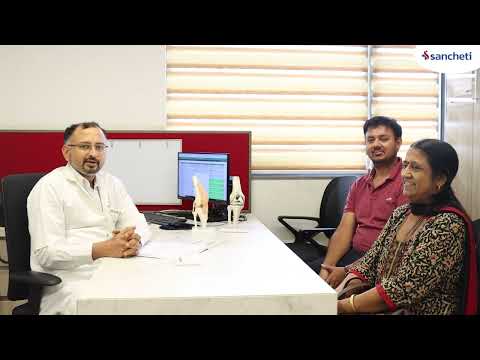
The knee pain I've carried for years finally went away with the help of Sancheti Hospital.
Karuna

I can't believe that I get to finally live a normal and happy life, all thanks to the knee surgery I had at Sancheti Hospital.
Kishore Bhosle
Other Conditions
Frequently Asked Questions
How do pathological fractures differ from regular fractures?
Pathological fractures occur in bones already weakened by disease and can happen with minimal stress, while regular fractures require significant trauma or force to break healthy bones.
Can pathological fractures heal completely?
With proper treatment, many pathological fractures can heal successfully, though the process may take longer due to underlying bone weakness and ongoing disease processes.
What is the most effective treatment approach?
Treatment effectiveness depends on the underlying cause and fracture characteristics. Surgical stabilization combined with treatment of the underlying condition typically provides the best outcomes.
Are pathological fractures preventable?
While not always preventable, early detection and treatment of bone-weakening conditions, along with lifestyle modifications, can significantly reduce the risk of pathological fractures.
Home
Patient Login
International patients
Contact Us
Emergency
Download Reports