Brachial Neuritis Treatment in Pune
Get expert brachial neuritis treatment in Pune with neurologists and orthopaedic surgeons providing pain relief and nerve function recovery.
Overview
Brachial neuritis, also known as Parsonage-Turner syndrome or neuralgic amyotrophy, is a rare condition that affects the nerves in your shoulder and arm. This condition causes sudden arm pain followed by weakness in the shoulder and arm muscles. The brachial plexus – a network of nerves that runs from your spine through your neck to your armpit – becomes inflamed or damaged, leading to pain and muscle problems.
While doctors previously thought this was purely an inflammatory condition, we now know that Parsonage-Turner syndrome involves complex immune system reactions that affect nerve function. The condition can be challenging to diagnose because its symptoms often mimic other shoulder problems like rotator cuff injuries.
Symptoms
Brachial neuritis typically progresses through two main phases, each with distinct symptoms that patients need to understand.
Acute Phase (First Few Weeks)
The condition usually begins with severe, sudden arm pain that affects about 70% of patients. This pain has several key characteristics:
- Intense shoulder pain that starts without warning
- Sharp, burning, or throbbing sensations in the shoulder area
- Nerve pain in shoulder and arm that may spread to the neck and forearm
- Pain that worsens at night and doesn’t improve with position changes
- Symptoms typically last about 4 weeks but can persist longer in some cases
Chronic Phase (Weeks to Months Later)
After the acute pain subsides, muscle weakness develops, which is the hallmark of Parsonage syndrome:
- Weak shoulders and arm muscles
- Shoulder muscle wasting (muscle shrinkage over time)
- Loss of muscle control in the affected arm
- Difficulty lifting or moving the arm normally
- Sometimes sensory changes or numbness
In severe cases, patients may experience breathing difficulties if the nerve controlling the diaphragm is affected. This combination of severe pain followed by weakness helps doctors distinguish brachial neuritis from other shoulder conditions.
Causes
The exact cause of brachial neuritis remains unclear, but medical experts believe it involves an immune system reaction that damages nerve fibers. Several factors can trigger this condition:
Common Triggers
- Viral infections (Epstein-Barr virus, chickenpox, COVID-19)
- Bacterial infections
- Recent vaccinations (tetanus, hepatitis B)
- Physical or emotional stress
- Surgery or childbirth
- Intense physical exercise
- Certain medications
Hereditary Form
A rare inherited type called Hereditary Neuralgic Amyotrophy exists, caused by genetic mutations. This form tends to:
- Affect younger people (typically in their 20s)
- Cause more frequent episodes
- Involve nerves outside the shoulder area
- Run in families
Diagnosis
Diagnosing brachial neuritis can be challenging because many shoulder conditions cause similar symptoms. Doctors rely on several approaches to confirm the diagnosis.
Clinical Evaluation
Your doctor will focus on the characteristic pattern of severe pain followed by weakness. They’ll examine your shoulder strength, reflexes, and sensation to identify affected nerves.
Diagnostic Tests
- Nerve conduction studies and electromyography (EMG) to measure nerve function
- MRI scans to visualize nerve damage and rule out other conditions
- Blood tests to exclude other diseases
- X-rays to check for bone problems
These tests help distinguish brachial neuritis from conditions like cervical brachial neuralgia, rotator cuff tears, or nerve compression syndromes.
Treatment
While brachial neuritis often improves on its own, various treatments can help manage symptoms and potentially speed recovery.
Pain Management
Since shoulder nerve pain can be severe, effective pain control is crucial:
- Prescription pain medications for acute episodes
- Anti-seizure medications for nerve-related pain
- Antidepressants that help with chronic pain
- Acupressure points for shoulder pain in hands may provide some relief
Medical Treatments
- Corticosteroids to reduce inflammation during the acute phase
- Intravenous immunoglobulin in select cases
- Physical therapy to maintain movement and prevent stiffness
Surgical Options
For patients who don’t improve after 6 months, surgery might be considered:
- Nerve repair or transfer procedures
- Muscle or tendon transfers to restore function
- Surgery to relieve chronic pain
Rehabilitation
Recovery from brachial neuritis requires patience, as the process can take months or even years. Physical therapy plays a crucial role in helping patients regain function and adapt to any permanent changes.
Rehabilitation Goals
- Maintain shoulder and arm movement
- Prevent joint stiffness
- Strengthen unaffected muscles
- Learn adaptive techniques for daily activities
- Manage ongoing pain and fatigue
Exercise and Activity
Working with a physical therapist is essential for proper recovery. They can design exercises that won’t worsen nerve damage while helping maintain function. Patients should avoid overexertion, especially during the acute phase.
Long-term Outlook
The prognosis for brachial neuritis varies significantly between patients. While many people experience substantial improvement, complete recovery isn’t guaranteed.
Recovery Timeline
- Most nerve healing occurs within 2-3 years
- Some patients may have ongoing weak shoulders or other symptoms
- Children typically recover better than adults
- Early treatment may improve outcomes
Potential Complications
Long-term effects may include:
- Persistent muscle weakness
- Shoulder muscle wasting
- Chronic nerve pain in shoulder and arm
- Altered shoulder mechanics
- Secondary injuries from compensation
Special Considerations
Pregnancy-Related Symptoms
Some women experience shoulder pain or left arm pain during pregnancy that may be related to brachial neuritis. Left shoulder pain pregnancy can sometimes indicate Parsonage-Turner syndrome, especially if accompanied by muscle weakness. Arm pain during pregnancy should be evaluated by healthcare providers to rule out serious conditions.
Living with the Condition
Managing brachial neuritis long-term involves:
- Following prescribed therapy programs
- Using adaptive equipment when needed
- Managing stress and maintaining overall health
- Staying connected with healthcare providers
- Joining support groups for chronic conditions
Prevention
Unfortunately, there’s no proven way to prevent brachial neuritis since the exact cause remains unknown. However, maintaining good overall health, managing stress, and avoiding unnecessary arm injuries may help reduce risk.
Key Takeaways
- Brachial neuritis is a rare nerve condition causing severe shoulder pain followed by muscle weakness
- The condition affects the brachial plexus, the nerve network controlling arm and shoulder function
- Diagnosis requires careful clinical evaluation and specialized nerve testing
- Treatment focuses on pain management, physical therapy, and supportive care
- Recovery is often slow and may take years, with many patients having some residual symptoms
- Early recognition and appropriate treatment may improve long-term outcomes
- The condition can significantly impact daily activities and work capacity
Sancheti Hospital provides comprehensive care for patients with brachial neuritis and other complex neurological conditions. Our multidisciplinary team includes experienced neurologists, orthopedic specialists, pain management experts, and rehabilitation therapists who work together to provide personalized treatment plans.
The hospital’s advanced diagnostic capabilities, including state-of-the-art nerve conduction studies and MRI imaging, ensure accurate diagnosis and monitoring of treatment progress.
For patients dealing with the challenges of Parsonage-Turner syndrome, Sancheti Hospital offers not only medical expertise but also emotional support and guidance throughout the recovery journey, helping individuals regain function and improve their quality of life.
Meet Our shoulder Specialists
Patient Stories & Experiences
The pain in my left knee left me feeling helpless for years. After my treatment here, I can finally say I'm pain-free.
Vinita Singh
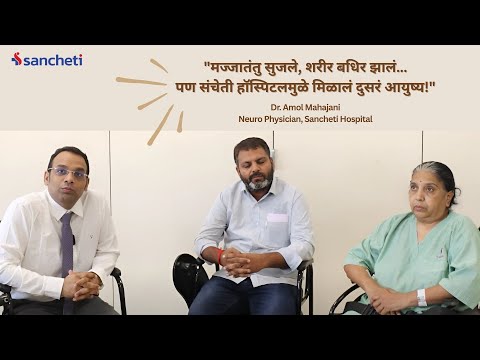
The nerves were swollen, and the body went numb. But thanks to Sancheti Hospital, I got a second life!
Parvati

I finally could walk again, a relief I've only felt after the hip pain surgery. I thank the doctors at Sancheti Hospital for their help.
Balaji Kharat
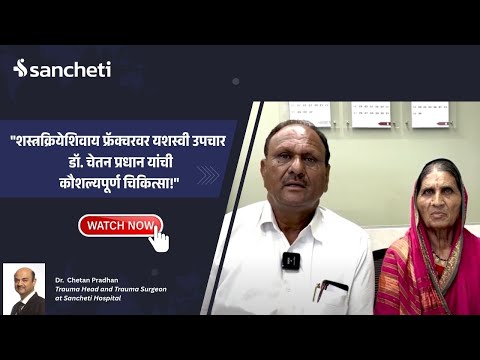
I'm a police officer, and I'm extremely thankful to Sancheti Hospital for treating my fracture without surgery.
Shantilal

My life has completely changed after the knee replacement surgery at Sancheti Hospital. It's like I can finally live again!
Kalpana Lepcha
The knee pain I've carried for years finally went away with the help of Sancheti Hospital.
Karuna
I can't believe that I get to finally live a normal and happy life, all thanks to the knee surgery I had at Sancheti Hospital.
Kishore Bhosle
Other Conditions
Frequently Asked Questions
Can I return to work or sports after having brachial neuritis, and how long should I wait?
Returning to work or sports depends on your job requirements and the extent of your recovery. For desk jobs, you might return within a few months with proper ergonomic adjustments and adaptive equipment. However, jobs requiring heavy lifting or overhead activities may require longer recovery times or permanent modifications. Athletes often need 6-12 months before safely returning to their sport, and some may need to switch to less demanding activities. Your doctor and physical therapist will assess your specific situation and provide clearance based on your muscle strength, range of motion, and functional abilities.
Is it normal to feel anxious or depressed during recovery from brachial neuritis?
Yes, it’s completely normal to experience anxiety, frustration, or depression during recovery. The combination of chronic pain, functional limitations, and uncertainty about recovery can significantly impact your mental health. Many patients worry about their ability to work, care for their families, or engage in activities they enjoy. Sleep disruption from pain can also worsen mood symptoms. It’s important to discuss these feelings with your healthcare team, as they can refer you to counselors or support groups. Some patients benefit from stress management techniques, meditation, or even medication to help cope with the emotional challenges of recovery.
Are there any warning signs that my condition is getting worse and I need immediate medical attention?
While brachial neuritis typically follows a predictable pattern, certain symptoms want immediate medical evaluation. Seek urgent care if you develop sudden breathing difficulties or shortness of breath when lying down, as this could indicate involvement of the nerve controlling your diaphragm.
Also contact our doctor if you experience new weakness in areas not previously affected, severe worsening of pain after initial improvement, signs of infection at injection sites, or new numbness in your face or other parts of your body. Also, if you develop symptoms in both arms simultaneously or experience bowel/bladder problems, these could indicate a more serious condition requiring immediate attention.
Home
Patient Login
International patients
Contact Us
Emergency
Download Reports