Leukemic Bone Lesion Care Pune
Expert care for leukemic bone lesions at Sancheti Hospital’s Ortho Onco Department with precise diagnosis and treatment.
Overview
Leukemia is a type of blood cancer that affects the body’s blood-forming tissues, particularly the bone marrow and lymphatic system. When someone has leukemia, their bone marrow produces too many abnormal white blood cells that don’t work properly. These faulty cells crowd out healthy blood cells, leading to various health problems.
One of the most common and distressing symptoms of leukemia is bone pain. This occurs when leukemia cells build up inside the bone marrow, creating pressure and inflammation within the bones. While not every person with leukemia experiences this symptom, bone pain is a well-recognized sign of the disease that can significantly impact a patient’s quality of life.
Symptoms
Leukemia bone pain varies greatly from person to person. Some people experience mild discomfort, while others suffer from deep, throbbing pain. The sensation can be sharp or stabbing, especially when moving.
Common areas affected by leukemia bone pain include:
- Long bones in the legs and arms
- Ribs and chest area
- Pelvis and hip bones
- Spine and back
- Sternum (breastbone)
Joint pain may also develop, typically appearing after bone pain begins. The joints most commonly affected are the wrists, ankles, hips, and shoulders.
Additional bone-related symptoms include:
- Tenderness in affected areas
- Swelling around bones and joints
- Unexplained bruising
- Difficulty moving or walking
Since leukemia affects the entire body, patients may also experience other symptoms such as persistent fatigue, frequent infections, fever, unexplained weight loss, swollen lymph nodes, easy bleeding, nosebleeds, and night sweats.
Bone pain can sometimes be the first and only noticeable symptom of acute leukemia, particularly in children. In adults, bone and joint problems are less common, occurring in only about 4% of acute leukemia cases.
Causes
The primary cause of leukemia bone pain stems from the abnormal growth and buildup of leukemia cells within the bone marrow. The bone marrow is the soft, spongy tissue inside certain bones where blood cells are made. When cancer cells multiply rapidly, they overcrowd the bone marrow, causing it to expand and create pressure inside the bones.
Several factors contribute to leukemia bone pain:
- Bone marrow expansion: As cancer cells multiply, they take up more space, creating pressure and inflammation
- Bone lesions: Leukemia can cause areas of bone destruction, reduced bone density, and even collapsed vertebrae
- Cell masses: Abnormal cells may gather near bone surfaces or infiltrate joints, directly damaging bone structure
- Uric acid buildup: Rapid cell breakdown can increase uric acid levels, which may accumulate in joints and cause pain
- Bone marrow death: In rare cases, the destruction of healthy bone marrow tissue can contribute to severe pain
The underlying problem in leukemia involves DNA changes in bone marrow stem cells. These changes cause cells to grow and divide uncontrollably, leading to the overproduction of abnormal blood cells within the confined space of the bones.
Risk Factors
While there are no specific risk factors for leukemia bone pain itself, understanding what increases the risk of developing leukemia is important. The factors that contribute to leukemia can eventually lead to bone pain as a symptom.
Key risk factors for leukemia include:
- Previous cancer treatment: People who have had certain types of chemotherapy or radiation therapy for other cancers have a higher risk
- Genetic disorders: Conditions like Down syndrome, Fanconi anemia, and other inherited disorders increase risk
- Chemical exposure: Long-term exposure to benzene (found in gasoline) or Agent Orange increases risk
- Radiation exposure: High levels of radiation from nuclear accidents or bombs can increase the chance of developing leukemia
- Smoking: Cigarette smoking increases the risk of acute myeloid leukemia
- Family history: Having a close relative with certain types of leukemia can increase risk
- Blood disorders: Certain chronic blood conditions can transform into acute leukemia
Diagnosis
Leukemia diagnosis often begins when someone experiences persistent symptoms like bone pain, fatigue, frequent infections, or easy bruising. Sometimes, chronic leukemia is discovered during routine blood tests before symptoms appear.
The diagnostic process typically involves:
- Physical examination: Doctors look for signs like pale skin, swollen lymph nodes, or enlarged organs
- Blood tests: These check for abnormal levels of different blood cells and may reveal leukemia cells in the bloodstream
- Bone marrow test: This is the most important test for diagnosis. A small sample of bone marrow is removed (usually from the hip bone) and examined for leukemia cells
When bone pain is a major symptom, doctors may also order imaging tests. While regular X-rays might look normal in early stages, other imaging techniques can reveal bone damage. These findings are especially common in children with leukemia and can help doctors make a faster diagnosis.
Types
Leukemia includes several different types of blood cancer, classified by how quickly they progress and which type of white blood cell is affected.
The main types of leukemia include:
- Acute Lymphocytic Leukemia (ALL): Most common in young children but can affect adults. Bone pain occurs in 21-59% of children with ALL
- Acute Myeloid Leukemia (AML): Common in both children and adults, and the most frequent acute leukemia in adults. Bone pain is less common but can occur
- Chronic Lymphocytic Leukemia (CLL): Most common chronic adult leukemia. Progresses slowly, and bone pain is less common initially
- Chronic Myeloid Leukemia (CML): Mainly affects adults. People may have few symptoms for months or years, with bone pain becoming more noticeable as the disease progresses
Bone pain is much more common in children with leukemia (over 50% of cases) compared to adults (less than 10%). This difference is due to children having more active red bone marrow throughout their growing skeletons.
Treatment
Treating leukemia bone pain requires a two-part approach: treating the underlying leukemia and managing the pain directly. The specific leukemia treatment depends on the type of leukemia, the patient’s age and overall health, and whether the cancer has spread.
Common leukemia treatments that help reduce bone pain include:
- Chemotherapy: Uses drugs to kill or stop the growth of leukemia cells
- Targeted therapy: Drugs that specifically attack abnormalities in cancer cells
- Radiation therapy: Uses high-energy beams to damage leukemia cells
- Bone marrow transplant: Replaces unhealthy bone marrow with healthy stem cells
- Immunotherapy: Helps the body’s immune system fight cancer
Pain management strategies include:
- Medications: Pain relievers, anti-inflammatory drugs, nerve pain medications, and in severe cases, opioids
- Localized treatments: Targeted radiation therapy for particularly painful areas
- Physical approaches: Heat or ice application, gentle exercise, massage therapy, and acupuncture
- Relaxation techniques: Deep breathing, meditation, and stress management
It’s important to distinguish between bone pain caused by leukemia itself and pain that may be a side effect of treatment. Treatment-related bone pain is often more widespread and usually improves after treatment ends.
Rehabilitation
While there are no specific rehabilitation programs designed only for leukemia bone pain, various approaches can significantly improve a patient’s quality of life and ability to function.
Physical therapy can be very helpful for relieving stiffness and improving movement affected by bone pain. Gentle, regular exercise helps maintain bone strength and reduces pain over time.
Rehabilitation strategies include:
- Working with physical therapists to develop safe exercise routines
- Learning proper body mechanics to avoid injury
- Using assistive devices like canes or walkers when needed
- Practicing good posture to reduce stress on bones and joints
- Gradually increasing activity levels as treatment progresses
Complications
Leukemia bone pain itself can be debilitating and seriously impact daily life. However, the underlying disease can lead to more serious complications if not properly treated.
Potential complications include:
- Increased fracture risk: Weakened bones from leukemia cell buildup can break more easily
- Severe anemia: Low red blood cell counts cause extreme fatigue and weakness
- Bleeding problems: Low platelet counts lead to easy bleeding and bruising
- Serious infections: Reduced healthy white blood cells make patients very susceptible to infections
- Blood clotting disorders: Can cause both excessive clotting and bleeding
- Tumor lysis syndrome: A potentially dangerous condition that can occur when cancer cells die rapidly during treatment
Prevention
Since leukemia bone pain is a direct result of leukemia itself, it cannot be prevented independently. The focus for people at risk or those diagnosed is on early detection and effective treatment of leukemia, which can then alleviate or resolve the associated bone pain.
General health measures that may help include:
- Avoiding known risk factors like smoking and chemical exposure
- Maintaining a healthy lifestyle with good nutrition and regular exercise
- Getting regular medical checkups, especially if you have risk factors
- Being aware of symptoms and seeking medical attention promptly
Living With Leukemia Bone Pain
Living with chronic leukemia bone pain can be challenging, but there are many strategies that can help improve quality of life and daily functioning.
Dietary and lifestyle adjustments:
- Eat a balanced diet rich in protein and calcium to support bone health
- Quit smoking, as it reduces blood flow to bones and can worsen pain
- Get adequate rest to allow the body to heal
- Avoid activities that make pain worse
- Stay hydrated and maintain a healthy weight
Daily management:
- Use heat or cold therapy as recommended by your doctor
- Practice stress-reduction techniques like meditation or gentle yoga
- Plan activities around your energy levels and pain patterns
- Keep a pain diary to help identify triggers and effective treatments
Key Takeaways
- Leukemia bone pain is caused by abnormal cells building up in the bone marrow, creating pressure and inflammation
- Bone pain is much more common in children with leukemia than in adults
- Pain can be an early warning sign of acute leukemia, sometimes appearing before other symptoms
- Effective treatment of the underlying leukemia is key to relieving bone pain
- Multiple pain management strategies are available to improve quality of life
- Early diagnosis and treatment are crucial for the best outcomes
At Sancheti Hospital, we understand the complex challenges that patients with leukemia and bone pain face. Our comprehensive approach combines expert oncology care with specialized orthopedic support to address both the cancer and its effects on the musculoskeletal system.
Our multidisciplinary team includes experienced oncologists, hematologists, pain management specialists, and rehabilitation professionals who work together to provide personalized care for each patient. We offer state-of-the-art diagnostic facilities, advanced treatment options, and compassionate support services to help patients and their families navigate this difficult journey.
Our commitment extends beyond medical treatment to include emotional support, patient education, and rehabilitation services that help individuals maintain their quality of life while fighting leukemia.
At Sancheti Hospital, we believe that with the right combination of medical expertise, cutting-edge technology, and compassionate care, patients can achieve better outcomes and improved well-being throughout their treatment journey.
Meet Our Ortho Onco Specialist
Patient Stories & Experiences
The pain in my left knee left me feeling helpless for years. After my treatment here, I can finally say I'm pain-free.
Vinita Singh

The nerves were swollen, and the body went numb. But thanks to Sancheti Hospital, I got a second life!
Parvati

I finally could walk again, a relief I've only felt after the hip pain surgery. I thank the doctors at Sancheti Hospital for their help.
Balaji Kharat

I'm a police officer, and I'm extremely thankful to Sancheti Hospital for treating my fracture without surgery.
Shantilal

My life has completely changed after the knee replacement surgery at Sancheti Hospital. It's like I can finally live again!
Kalpana Lepcha
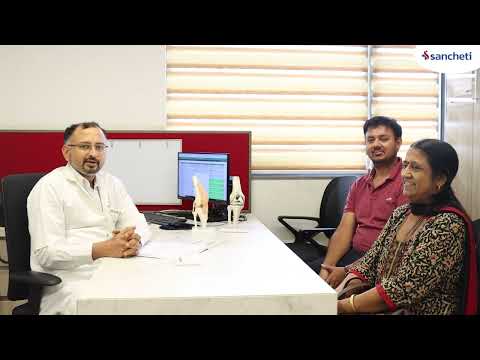
The knee pain I've carried for years finally went away with the help of Sancheti Hospital.
Karuna

I can't believe that I get to finally live a normal and happy life, all thanks to the knee surgery I had at Sancheti Hospital.
Kishore Bhosle
Other Conditions
Frequently Asked Questions
How long does it take for bone pain to improve after starting leukemia treatment?
Bone pain typically begins to improve within 2-4 weeks after starting effective leukemia treatment. However, complete relief may take several months as the bone marrow gradually returns to normal. Some patients notice improvement within the first week, while others may need 6-8 weeks.
Will my bones be permanently damaged from leukemia?
Most bone pain and damage from leukemia is reversible with proper treatment. However, some patients may experience long-term effects like increased fracture risk or joint stiffness. Regular bone density monitoring and calcium supplements can help prevent permanent damage.
Should I avoid physical activity if I have leukemia bone pain?
Light physical activity is generally encouraged, but avoid high-impact exercises or activities that worsen pain. Walking, gentle stretching, and swimming are usually safe. Always consult your doctor before starting any exercise program, especially if you have low blood counts.
Can over-the-counter pain relievers help with leukemia bone pain?
Yes, medications like acetaminophen can help manage mild to moderate bone pain. However, avoid aspirin and ibuprofen if your platelet count is low, as these can increase bleeding risk. Always check with your healthcare team before taking any pain medications.
Is severe bone pain a sign that my leukemia is getting worse?
Not necessarily. Bone pain severity doesn’t always correlate with disease progression. Some patients with mild leukemia experience severe pain, while others with advanced disease have minimal pain. However, sudden increases in pain should always be reported to your doctor immediately.
Home
Patient Login
International patients
Contact Us
Emergency
Download Reports