Rotator Cuff Injuries

Rotator Cuff Injury Treatment Pune

Get advanced rotator cuff injury treatment in Pune with orthopaedic surgeons providing tendon repair, rehabilitation, and recovery therapy.

Overview

The rotator cuff is a network of four muscles and their tendons that wrap around the shoulder joint, connecting the upper arm bone (humerus) to the shoulder blade (scapula). These muscles include:

  • Supraspinatus: This muscle helps you raise your arm sideways, like when you lift it away from your body
  • Infraspinatus: Rotates the arm outward.
  • Teres Minor: Assists with outward rotation.
  • Subscapularis: Rotates the arm inward.

These muscles work together like a supportive “cuff,” keeping the upper arm bone securely in place within the shoulder joint’s socket for pain-free movement. Injuries to the rotator cuff muscles can range from inflammation (e.g., rotator cuff tendinitis) to partial or complete tears, often leading to shoulder rotator cuff pain and weakness.

Symptoms

Symptoms vary depending on whether the injury is acute or chronic, but common signs include:

  • Pain:
    • You might feel a persistent ache in the front or outer part of your shoulder, often called rotator cuff front shoulder pain.
    • Sharp pain when lifting, lowering, or rotating the arm.
    • Night pain that disrupts sleep, especially when lying on the affected side.
  • Weakness: Difficulty raising the arm overhead or carrying objects.
  • Limited Mobility: Stiffness or reduced range of motion.
  • Clicking/Popping: Audible sounds during arm movement, indicating a possible shoulder cuff tear.

Note: Some tears cause minimal pain but still weaken the shoulder. For instance, a supraspinatus injury might only manifest as arm weakness.

Causes

Rotator cuff injuries can develop suddenly from trauma or gradually over time due to repetitive stress. Key causes include:

1. Wear and Tear (Degeneration)

  • Aging: Tendons naturally weaken with age, increasing the risk of rotator cuff disease. More than 40% of people over 60 have tears without any symptoms.
  • Repetitive Overhead Activities: Athletes (e.g., baseball players, swimmers) and workers (e.g., painters, carpenters) often strain the shoulder rotator cuff through repetitive motions.
  • Poor Blood Supply: The supraspinatus tendon has limited blood flow, making it prone to slow healing and degeneration.

2. Acute Injuries

  • Falls or Accidents: A sudden fall onto an outstretched arm or direct impact can tear the rotator cuff muscles.
  • Heavy Lifting: Lifting heavy objects the wrong way can strain the tendons, leading to damage over time.

3. Bone Spurs

Abnormal bone growths on the shoulder blade (acromion) can rub against tendons, causing fraying or tears over time.

4. Posture and Muscle Imbalances

Slouching or weak shoulder muscles place uneven stress on the rotator cuff, leading to rotator cuff tendinopathy.

Risk Factors

  • Age (over 40)
  • Smoking (reduces blood flow to tendons)
  • Diabetes or obesity (slows healing)
  • Family history of shoulder injuries

Diagnosis

Accurate diagnosis is crucial for effective treatment. Here’s how Rotator Cuff Injuries specialist assess these injuries:

1. Physical Examination

  • Strength Tests: Resistance exercises to check for weakness (e.g., empty can test for supraspinatus tears).
  • Range of Motion: Assessing how far you can move your arm without pain.
  • Impingement Tests: Raising the arm to identify rotator cuff syndrome (pinching of tendons).

2. Imaging Tests

  • X-rays: Detects bone spurs or arthritis but can’t visualize soft tissue tears.
  • Ultrasound: Dynamic imaging to assess tendon movement and identify rotator cuff tears.
  • MRI: An MRI scan creates clear images of soft tissues like tendons and muscles, helping doctors measure the size of a tear.

MR Arthrography: Combines MRI with a contrast dye to highlight subtle tears.

Types

Injuries are classified by severity:

  1. Rotator Cuff Tendinitis: Inflammation due to overuse (common in younger athletes).
  2. Rotator Cuff Strain: Partial tearing of muscle fibers.
  3. Partial-Thickness Tear: Damage to part of the tendon.
  4. Full-Thickness Tear: Complete detachment of the tendon from the bone.

Massive Tear: Involves multiple tendons, often leading to shoulder muscle tear complications.

Treatment

Treatment depends on the injury type, age, activity level, and overall health.

Non-Surgical Treatments

  1. Rest and Activity Modification:
    • Avoid overhead movements or heavy lifting.
    • Use a sling temporarily to reduce strain.
  2. Ice and Heat Therapy:
    • Ice packs reduce swelling in acute injuries.
    • Heat relaxes muscles in chronic cases.
  3. Medications:
    • NSAIDs (e.g., ibuprofen) for pain and inflammation.
    • Corticosteroid injections for short-term relief (limited to 1–2 doses to avoid tendon weakening).
  4. Physical Therapy:
    • Strengthening exercises for the rotator cuff and scapular muscles.
    • Stretching to improve flexibility (e.g., pendulum exercises, cross-body stretches).
    • Posture correction to relieve pressure on tendons.

Success Rates:

  • 80% of partial tears improve with non-surgical care.
  • Physical therapy alone improves function in 70–90% of patients with small tears.

Surgical Treatments

Surgery is recommended for:

  • Full-thickness tears.
  • Active individuals (e.g., athletes, laborers).
  • Tears that don’t heal after 6–12 months of conservative care.

Surgical Techniques:

  • Arthroscopic Repair: Minimally invasive surgery using a camera and small instruments to reattach tendons.
  • Open Repair: For large or complex tears; involves a small incision over the shoulder.
  • Tendon Transfer: Uses a healthy tendon (e.g., latissimus dorsi) to replace a severely damaged one.
  • Reverse Shoulder Replacement: For irreparable tears with arthritis; replaces the joint’s ball-and-socket mechanics.

Recovery Timeline

  • 0–6 Weeks: Wear a sling; gentle passive exercises to prevent stiffness.
  • 6–12 Weeks: Active motion and light strengthening.

3–6 Months: Gradual return to sports or heavy activities.

Rehabilitation

Post-treatment rehab is critical for restoring strength and preventing re-injury:

  • Early Phase (Weeks 1–6):
    • Passive range-of-motion exercises (e.g., therapist-assisted stretches).
    • Scapular stabilization drills (e.g., wall slides).
  • Intermediate Phase (Weeks 6–12):
    • Resistance band exercises for rotator cuff muscles.
    • Core strengthening to improve overall posture.
  • Advanced Phase (Months 3–6):
    • Sport-specific drills (e.g., throwing, swimming).
    • Plyometric exercises to rebuild power.

Tips for Success:

  • Avoid smoking and manage chronic conditions (e.g., diabetes) to speed healing.
  • Attend all physical therapy sessions consistently.

Complications

Ignoring a rotator cuff tear can lead to:

  • Chronic Pain: Persistent discomfort that limits daily activities.
  • Muscle Atrophy: Shrinkage of unused shoulder muscles.
  • Arthritis: Cartilage damage due to uneven joint movement.

Frozen Shoulder: Stiffness from prolonged immobility.

Prevention

  • Strengthen Shoulder Muscles: Focus on rotator cuff and scapular exercises (e.g., external rotations, rows).
  • Warm Up Properly: Dynamic stretches before workouts or repetitive tasks.
  • Ergonomic Adjustments: Modify workspaces to avoid overhead reaching.
  • Listen to Your Body: Rest if you feel rotator cuff pain during activities.

Living With Balance Issues

While recovery can be slow, most patients regain full function with proper care by; 

  • Using assistive tools (e.g., reachers) during early recovery.
  • Rest on the side of your body that isn’t injured, and place a pillow under your shoulder for added comfort and alignment.
  • Avoiding heavy lifting until cleared by a physiotherapist.

Key Takeaways

Rotator cuff injuries are complex but treatable. Early diagnosis and a tailored treatment plan—whether through physical therapy, injections, or surgery—can restore shoulder function and prevent long-term damage. 

Sancheti Hospital in Pune stands out as a leading institution for diagnosing and treating rotator cuff injuries, offering specialized care backed by over five decades of orthopaedic expertise . Our Shoulder Surgery Department employs advanced techniques like arthroscopic rotator cuff repair and double-row cuff repair, ensuring precise treatment for partial or full-thickness tears .

With a team of highly skilled shoulder specialists, including pioneers in procedures like the Modified Latarjet technique and reverse shoulder replacements, the hospital combines innovation with evidence-based practices to restore shoulder function . 

Patients benefit from integrated rehabilitation programs at their state-of-the-art Shoulder Rehab Centre, which focuses on restoring mobility and strength without relying on painkillers . Sancheti’s holistic approach—from cutting-edge diagnostics (MRI, ultrasound) to post-surgical physiotherapy—ensures comprehensive recovery, making it a trusted choice for both local and international patients seeking relief from rotator cuff tears, shoulder joint pain, or shoulder tendon injuries .

Patient Stories & Experiences

Vinita Singh

The pain in my left knee left me feeling helpless for years. After my treatment here, I can finally say I'm pain-free.

Vinita Singh
Parvati

The nerves were swollen, and the body went numb. But thanks to Sancheti Hospital, I got a second life!

Parvati
Balaji Kharat

I finally could walk again, a relief I've only felt after the hip pain surgery. I thank the doctors at Sancheti Hospital for their help.

Balaji Kharat
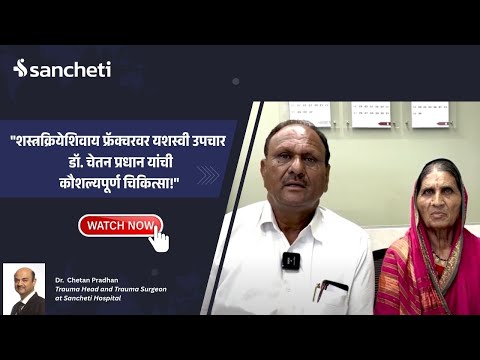
Shantilal

I'm a police officer, and I'm extremely thankful to Sancheti Hospital for treating my fracture without surgery.

Shantilal
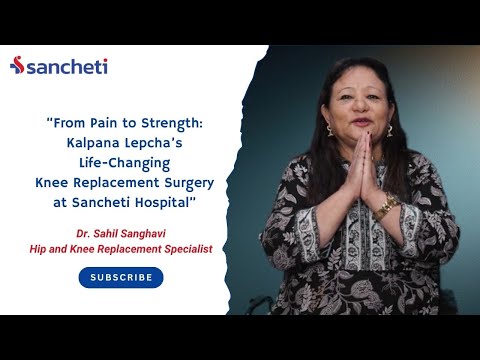
Kalpana Lepcha

My life has completely changed after the knee replacement surgery at Sancheti Hospital. It's like I can finally live again!

Kalpana Lepcha
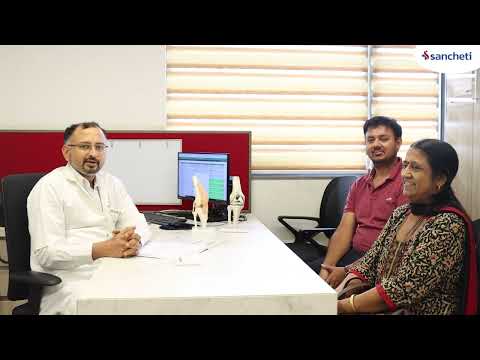
Karuna

The knee pain I've carried for years finally went away with the help of Sancheti Hospital.

Karuna
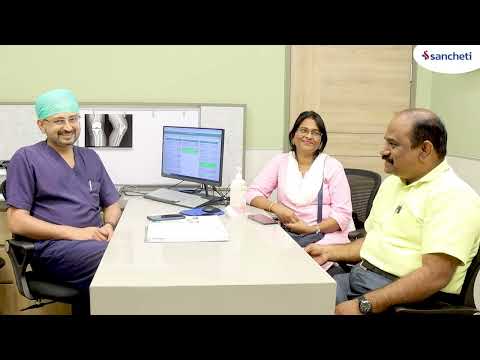
Kishore Bhosle

I can't believe that I get to finally live a normal and happy life, all thanks to the knee surgery I had at Sancheti Hospital.

Kishore Bhosle

Frequently Asked Questions

How do I know if my rotator cuff is torn or just strained?

A rotator cuff strain causes temporary pain and weakness, while a tear often leads to persistent symptoms. Imaging (MRI/ultrasound) confirms the diagnosis.

Avoid overhead lifts or heavy weights. Prioritize workouts that target your legs and incorporate easy stretches to avoid aggravating the injury as you recover.

Not always. Older, less active patients may manage with therapy, while surgery is preferred for younger, active individuals.

With rest and therapy, most cases improve in 4–6 weeks.

Contact Us

(24/7 Support Line)
10am-> 05 pm
Democracy Blvd.

Follow Us

Chat