Chondrosarcoma Treatment Pune
Sancheti Hospital’s Ortho Onco experts treat Chondrosarcoma with advanced surgical and reconstructive care focused on long-term joint stability.
Overview
Chondrosarcoma is a rare type of cancer that begins in the cartilage cells within bones. Cartilage is the flexible, tough tissue that cushions joints and forms parts of the nose and ears. When these cells become cancerous, they form chondrosarcoma. This condition is classified as a primary bone cancer, meaning it starts directly in the bone rather than spreading from another part of the body.
While it can occur at any age, it most commonly affects adults between 40 and 70 years old, with an average age of 51 at diagnosis. Chondrosarcoma can develop in various parts of the body, including the pelvis, hip, shoulder, long bones like the thighbone, ribs, and spine.
As the second most common primary bone cancer after osteosarcoma, understanding chondrosarcoma is important for early detection and proper treatment. The condition varies widely in how aggressive it is, which significantly affects treatment options and outcomes.
Symptoms
The symptoms of chondrosarcoma often don’t appear until the tumor has grown considerably. When symptoms do develop, they may include:
- Persistent pain in the affected area that gradually worsens, especially at night, and doesn’t improve with rest or pain medications
- Swelling or a firm lump on the affected bone or surrounding tissue
- Limited movement if the tumor is near a joint
- Difficulty using the affected limb or limping
- Numbness, tingling, or muscle weakness if the tumor presses on nerves or the spinal cord
- Problems with bowel or bladder control in cases involving spinal tumors
- Bone fractures from minor injuries due to weakened bone
- Unexplained fatigue and weight loss
Causes
The exact cause of chondrosarcoma remains unclear, but researchers have identified several factors that may contribute to its development:
Genetic changes play a role in some cases. Chromosomes may break apart and reform incorrectly, causing cells to malfunction. Specific gene mutations, such as changes in IDH1/2 and COL2A1 genes, have been found in some chondrosarcomas.
Malignant transformation can occur when existing benign bone or cartilage tumors, like osteochondromas and enchondromas, become cancerous over time.
Previous radiation therapy for other types of cancer has rarely been linked to chondrosarcoma development years later.
Unlike many other cancers, no environmental or lifestyle factors have been identified as direct causes of chondrosarcoma, making prevention through lifestyle changes impossible.
Risk Factors
While the exact causes aren’t known, certain factors increase the risk of developing chondrosarcoma:
Age is the most significant risk factor, with most cases occurring in middle-aged and older adults.
Pre-existing bone conditions significantly increase risk:
- Ollier’s disease (Enchondromatosis): Multiple benign cartilage tumors in bones, with a 10-40% chance of becoming cancerous
- Maffucci syndrome: A rare condition with multiple enchondromas and blood vessel abnormalities, carrying a 10-40% risk of malignant transformation
- Multiple hereditary exostoses: Benign bone tumors with a 1-5% chance of becoming chondrosarcoma
- Paget’s disease: A bone disorder that rarely increases risk
Genetic syndromes like Li Fraumeni syndrome also increase the likelihood of developing various cancers, including chondrosarcoma.
Diagnosis
Diagnosing chondrosarcoma requires a comprehensive evaluation by specialists experienced in bone cancer and sarcomas. The process typically involves:
Physical examination to assess symptoms and examine the affected area for signs of swelling, pain, or limited movement.
Imaging tests are crucial for visualizing the tumor:
- X-rays often show the first signs of chondrosarcoma and reveal bone damage
- CT scans provide detailed images showing tumor size, location, and bone destruction
- MRI scans are considered the gold standard, offering high-resolution images of tumor extent and soft tissue involvement
- Bone scans and PET scans help detect if cancer has spread to other areas
Biopsy is essential for definitive diagnosis. A tissue sample is removed and examined by a pathologist specializing in bone and soft tissue cancers. This confirms the tumor type and determines its grade.
Genetic testing may be performed to identify specific biomarkers that could respond to targeted treatments.
Blood tests assess overall health and organ function before treatment.
Types
Chondrosarcoma includes several different subtypes, each with unique characteristics:
Conventional chondrosarcoma accounts for 80-90% of all cases. It typically develops in previously normal bone, grows slowly, and has a lower chance of spreading to other parts of the body.
Non-conventional subtypes make up 10-20% of cases and include:
- Dedifferentiated chondrosarcoma: An aggressive form that starts as a low-grade tumor but rapidly becomes high-grade. It has a high chance of spreading and carries a poor prognosis.
- Mesenchymal chondrosarcoma: A rare, aggressive type that commonly affects younger adults (19-30 years old). It can develop in both bone and soft tissues and has a high risk of late metastasis.
- Clear cell chondrosarcoma: Less aggressive than other types, typically affecting people in their 30s to 50s. It usually forms at the ends of long bones near joints.
- Extraskeletal myxoid chondrosarcoma: An extremely rare form that develops in soft tissues rather than bone.
Stages
Chondrosarcoma staging uses established bone sarcoma classification systems that consider tumor grade, size, location, and whether it has spread.
The grade system is particularly important for chondrosarcoma:
- Grade 1 (Low-grade): Slow-growing tumors unlikely to spread, with excellent prognosis and 5-year survival rates of 80-90%
- Grade 2 (Intermediate-grade): More aggressive than Grade 1, with 5-year survival rates of 65-75%
- Grade 3 (High-grade): Highly aggressive tumors with significant risk of recurrence and metastasis, 5-year survival rates of 30-45%
Dedifferentiated chondrosarcoma is inherently high-grade with very poor prognosis (5-year survival rates as low as 0-24%).
Treatment
Surgery is the primary treatment for chondrosarcoma because these tumors don’t respond well to chemotherapy or radiation therapy due to their slow growth and poor blood supply.
Surgical options include:
- Curettage: Scraping out tumor cells from the bone, used for small, low-grade tumors
- Wide resection: Removing the tumor and surrounding healthy tissue to ensure clear margins
- Limb salvage surgery: Preserving the affected limb by removing diseased bone and reconstructing with grafts or implants
- Amputation: Rarely necessary when limb salvage isn’t possible
Radiation therapy may be used for tumors in difficult-to-reach locations like the spine or pelvis, or when surgical margins aren’t clear. Advanced techniques like Intensity-Modulated Radiation Therapy and Proton-Beam Therapy deliver precise doses while protecting healthy tissue.
Chemotherapy generally isn’t effective for conventional chondrosarcoma but may help with aggressive subtypes like mesenchymal and dedifferentiated chondrosarcoma.
Emerging treatments under investigation include:
- IDH inhibitors for tumors with specific genetic mutations
- Targeted therapies that trigger cancer cell death
- Immunotherapy approaches
Rehabilitation
Rehabilitation is crucial for recovery after chondrosarcoma treatment, especially following surgery.
Physical therapy helps patients regain strength, improve range of motion, and restore function in the affected area.
Prosthetic training may be necessary if amputation was required, focusing on learning to use artificial limbs effectively.
Occupational therapy helps patients adapt daily activities to physical changes.
Mental health support addresses the emotional and psychological impact of cancer diagnosis and treatment.
Complications
The most serious complications of chondrosarcoma include:
Recurrence can happen locally in the same area or distantly in other parts of the body. Chondrosarcoma can return many years after initial treatment, sometimes up to 20 years later.
Metastasis is most common with aggressive subtypes. The cancer typically spreads to the lungs first, but can also affect other bones or soft tissues.
Functional impairment may result from tumor location and surgery extent, causing persistent pain, limited movement, or neurological problems.
Life-threatening outcomes can occur in advanced stages, particularly when cancer spreads to vital organs.
Prevention
Currently, there’s no known way to prevent chondrosarcoma. No specific environmental or lifestyle factors have been identified as causes.
For individuals with known risk factors like inherited genetic disorders or pre-existing bone conditions, regular medical monitoring and follow-up care are recommended for early detection of any changes.
Living With Chondrosarcoma
Receiving a chondrosarcoma diagnosis can be life-changing, but with proper care and support, many people successfully manage the condition.
- Recovery and adaptation begin with healing from treatment and engaging in rehabilitation to adjust to any physical changes.
- Emotional support is crucial, as cancer diagnoses bring significant psychological challenges. Professional counseling and mental health services can be very helpful.
- Building a support system through family, friends, and support groups provides both practical help and emotional encouragement.
- Active participation in care involves educating yourself about your specific subtype and grade of chondrosarcoma, understanding all treatment options, and don’t hesitate to seek second opinions.
- Long-term follow-up is essential due to the possibility of recurrence years after treatment. Regular imaging scans and check-ups help monitor your health.
Key Takeaways
- Chondrosarcoma is a rare bone cancer that begins in cartilage cells, typically affecting adults between 40-70 years old
- Symptoms include persistent pain, swelling, and limited movement in the affected area
- Surgery is the primary treatment, as chondrosarcoma doesn’t respond well to chemotherapy or radiation therapy
- Prognosis depends heavily on tumor grade and whether it has spread
- Long-term follow-up care is essential due to risk of recurrence
- Rehabilitation plays a crucial role in recovery and adaptation after treatment
At Sancheti Hospital, we understand the complexity and challenges that come with a chondrosarcoma diagnosis. Our multidisciplinary team of orthopedic oncologists, medical oncologists, radiologists, and rehabilitation specialists work together to provide comprehensive care tailored to each patient’s specific needs.
We offer advanced diagnostic imaging, specialized surgical techniques including limb salvage procedures, and cutting-edge treatment options. Our rehabilitation services help patients regain function and adapt to life after treatment, while our support services address the emotional and psychological aspects of cancer care.
We are committed to providing compassionate, expert care throughout your journey, from diagnosis through treatment and long-term follow-up, ensuring you receive the best possible outcomes and quality of life.
Meet Our Ortho Onco Specialist
Patient Stories & Experiences
The pain in my left knee left me feeling helpless for years. After my treatment here, I can finally say I'm pain-free.
Vinita Singh
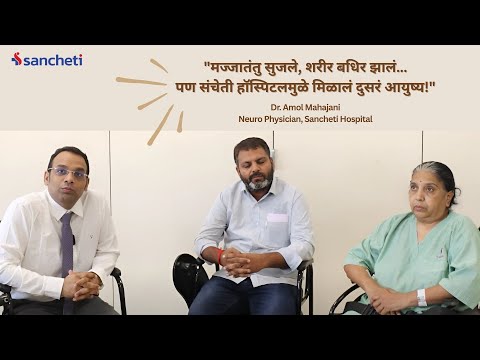
The nerves were swollen, and the body went numb. But thanks to Sancheti Hospital, I got a second life!
Parvati

I finally could walk again, a relief I've only felt after the hip pain surgery. I thank the doctors at Sancheti Hospital for their help.
Balaji Kharat

I'm a police officer, and I'm extremely thankful to Sancheti Hospital for treating my fracture without surgery.
Shantilal

My life has completely changed after the knee replacement surgery at Sancheti Hospital. It's like I can finally live again!
Kalpana Lepcha
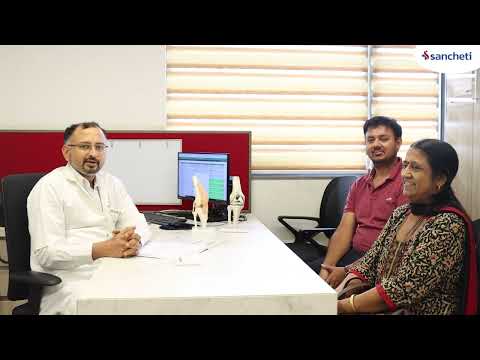
The knee pain I've carried for years finally went away with the help of Sancheti Hospital.
Karuna

I can't believe that I get to finally live a normal and happy life, all thanks to the knee surgery I had at Sancheti Hospital.
Kishore Bhosle
Other Conditions
Frequently Asked Questions
What is chondrosarcoma?
Chondrosarcoma is a rare type of cancer that begins in cartilage cells within bones. It’s the second most common primary bone cancer and typically affects adults.
What are the main symptoms of chondrosarcoma?
Common symptoms include persistent pain in the affected bone (often worse at night), noticeable swelling or lumps, and limited movement if the tumor is near a joint.
Is chondrosarcoma curable?
In many cases, especially with low-grade tumors that can be completely removed surgically, chondrosarcoma may be cured. Success depends on the tumor type, grade, location, and whether it has spread.
What are the survival rates for chondrosarcoma?
Overall, about 79% of people with chondrosarcoma are alive five years after diagnosis. For localized tumors, the 5-year survival rate can be as high as 91%.
How is chondrosarcoma different from osteosarcoma?
Chondrosarcoma starts in cartilage cells, while osteosarcoma begins in bone-forming cells. Chondrosarcoma typically affects adults, while osteosarcoma more commonly affects children and teenagers.
Can chondrosarcoma run in families?
While chondrosarcoma itself isn’t usually inherited, certain genetic conditions that increase risk (like multiple hereditary exostoses) can run in families.
Where does chondrosarcoma most commonly develop?
Chondrosarcoma most often develops in the pelvis, long bones of the arms and legs, and ribs.
Home
Patient Login
International patients
Contact Us
Emergency
Download Reports